

Tephrocactus geometricus
Tephrocactus geometricus
Couldn't load pickup availability


Globe-shaped cactus from the Andes with ping-pong ball-like segments and short-lived white-pink flowers
Tephrocactus geometricus originates from the desert regions of northern Argentina and southern Bolivia, where it grows in rocky soils at high altitudes and withstands both extreme heat and prolonged drought. In the wild, full sun and significant temperature fluctuations give the stems a color tone that shifts between reddish-purple and violet.
The genus name comes from the Greek tephra, "ash," and refers to the gray-green color of many species in the genus. The specific epithet geometricus refers both to the spherical shape of the segments and to the geometric pattern that marks their surface.
This is a small cactus with globe-shaped, segmented joints that resemble ping-pong balls, about 4 to 5 centimeters in diameter. The plant branches out and forms clusters where the segments grow on top of one another, eventually reaching 15 to 20 centimeters in height. The surface is usually smooth and spineless, but when spines occur, they are located on the upper areoles, are short and curved, and vary in color from white to black.
With proper overwintering—cool, bright, and with little water—the plant can bloom between late spring and early summer. Large and delicate flowers then emerge from the tips of the younger segments, with petals ranging from white to pale pink and a darker stripe through the center. They last for only one day.
After flowering, fruits may develop if pollination is successful: small and round with a somewhat rough surface, sometimes covered with fine fuzz or short spines. In cultivation, seed set is rare, but when it occurs, the fruits shift from green to brown and usually dry out directly on the plant.
Care
The species is relatively easy to grow but requires well-drained soil that does not retain water. Use a cactus soil enriched with inorganic material such as sand, pumice, or lava rock, and always use a deep pot with good drainage.
During the summer, it should be watered regularly and thoroughly, but the soil must dry out completely between waterings. In winter, watering should be significantly reduced to respect the plant's natural dormant period.
The cactus grows very slowly; even under ideal conditions, it typically produces only 1 to 2 new segments per year. It requires patience, but rewards in time
Shipping Policy
Shipping Policy
When buying live plants, transport can sometimes affect the condition of the plant. We strive to ensure that all plants arrive in good health, but minor shipping damage, such as a torn leaf or bent stem, is sometimes unavoidable. Read more about our policy here.


Join the customer club
Earn points on purchases and through special actions. Spend your points on rewards including gift products & discounts
Learn more about your plants!
View all-

How to repot houseplants - Step by step
Repotting houseplants is the key to keeping your indoor plants healthy and happy. It's all about the right soil, the right size pot and a little patience. In our guide...
How to repot houseplants - Step by step
Repotting houseplants is the key to keeping your indoor plants healthy and happy. It's all about the right soil, the right size pot and a little patience. In our guide...
-
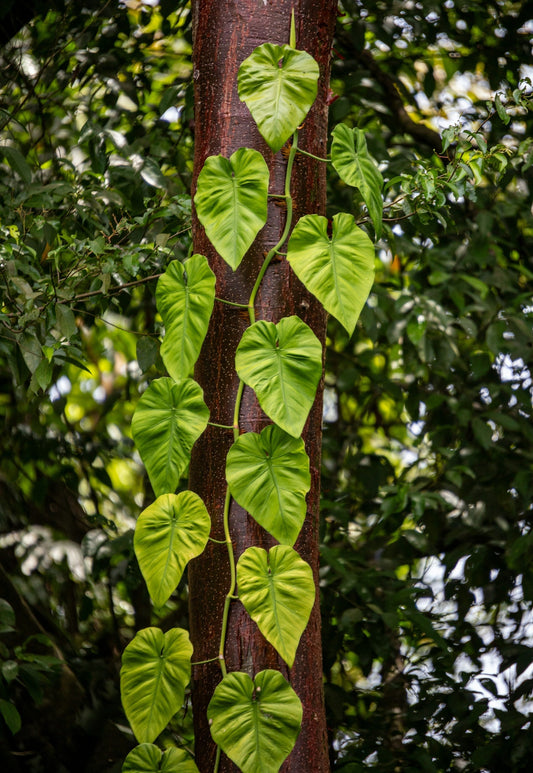
Indoor Climbing Plants | Complete Guide to Clim...
Indoor climbing plants bring life and movement to your home. They can hang freely from hanging baskets or climb up trellises. These green plants quickly transform windows and corners into...
Indoor Climbing Plants | Complete Guide to Clim...
Indoor climbing plants bring life and movement to your home. They can hang freely from hanging baskets or climb up trellises. These green plants quickly transform windows and corners into...
-

Propagate your Houseplants | Tips from the Expert
Is there anything more satisfying than watching a new plant grow from a cutting you made yourself? Plant propagation involves creating new plants from parts of your existing plants. It's...
Propagate your Houseplants | Tips from the Expert
Is there anything more satisfying than watching a new plant grow from a cutting you made yourself? Plant propagation involves creating new plants from parts of your existing plants. It's...

