Discover our exotic selection of Ficus plants
From classic Ficus elastica (Rubber Plant) to trendy Ficus lyrata (Fiddle-leaf Fig) and climbing Ficus villosa. Robust houseplants that thrive in Swedish homes with proper care. Learn all about watering, pruning, feeding, and why your Ficus is dropping leaves.
Our Ficus Species:
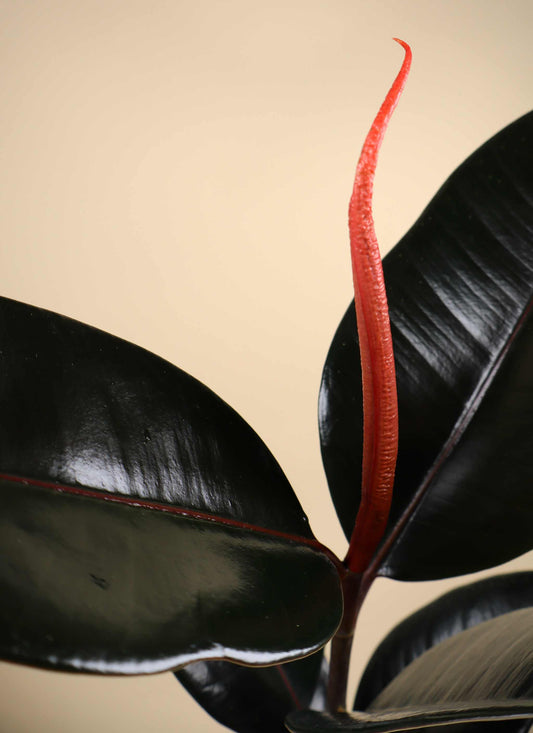
Ficus elastica (Rubber Plant/Rubber Fig)
The classic Ficus with large, leathery leaves is perfect for beginners. Robust and forgiving, it tolerates more than most other houseplants and creates a tropical feel in the home.
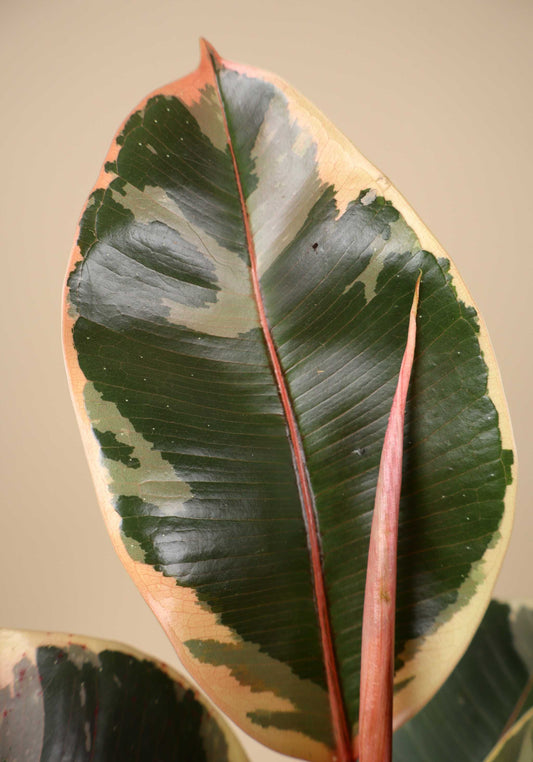
Ficus elastica 'Schrijveriana' (Variegated Rubber Plant)
A variegated rubber plant with light green and white markings on dark green leaves. As easy to care for as the regular rubber plant but with extra visual drama.
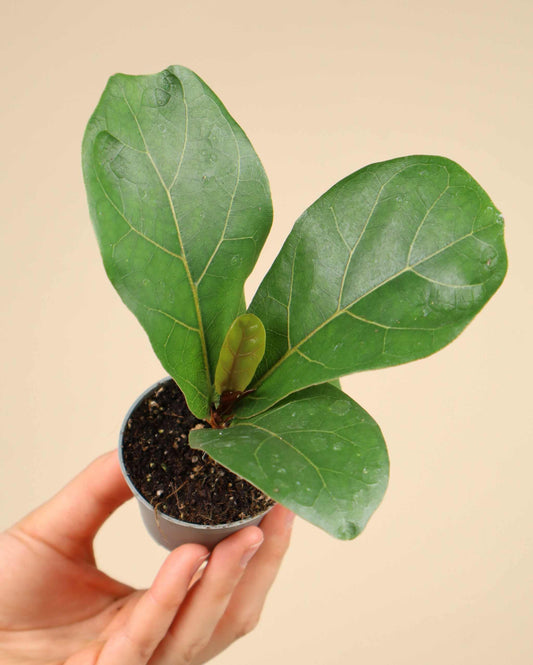
Ficus lyrata (Fiddle-leaf Fig)
The trendy Ficus with large, violin-shaped leaves has become a modern classic. Elegant and sculptural, it is actually easier to care for than its reputation suggests. With the right light and watering, this plant will be a real statement in the room.
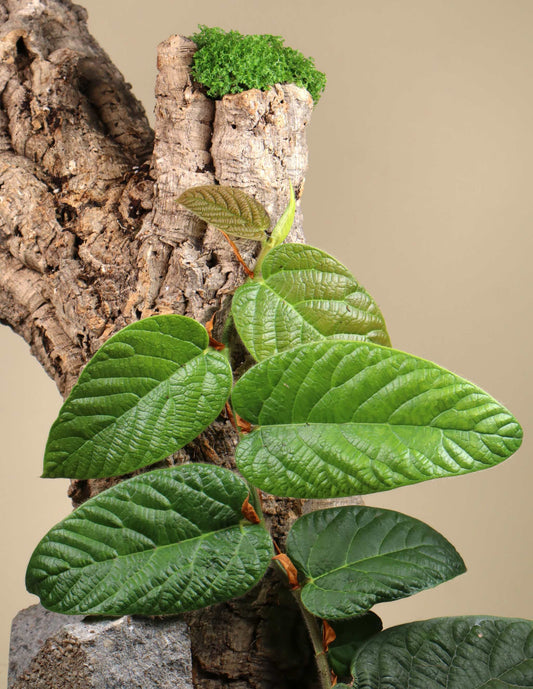
Ficus villosa (Hairy Climbing Fig)
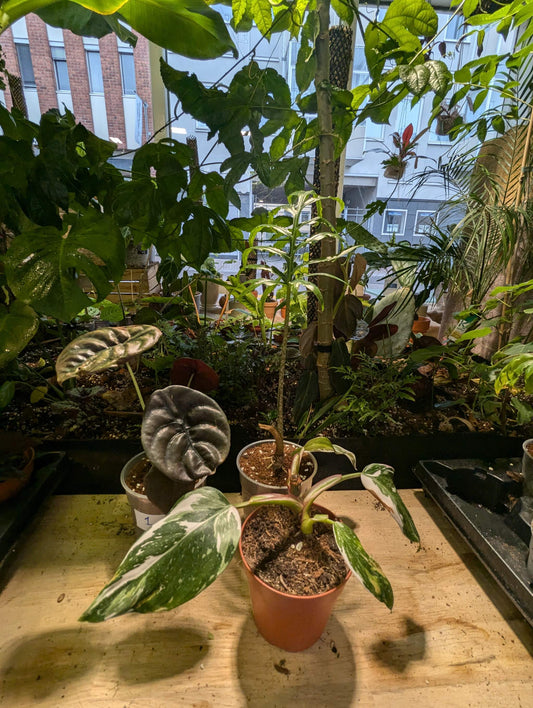
A large climbing Ficus from Southeast Asia with hairy leaves that grows strictly upright and attaches itself to almost any surface with its aerial roots. It can grow several meters high and is rare and spectacular in cultivation.
Ficus benjamina (Weeping Fig)
The elegant Ficus with small, shiny leaves on flexible branches is often shaped as a bonsai or braided tree on a trunk. More sensitive than its relatives but incredibly beautiful when it thrives.
Complete Ficus Care Guide:
Light
Ficus loves bright locations, and the more light they receive, the better their growth. Ficus elastica thrives in bright to very bright locations and can even tolerate some direct morning sun. Ficus lyrata requires very bright indirect light but should not be exposed to direct sunlight, which can scorch its large leaves. Ficus villosa prefers partial shade to bright conditions where filtered sunlight works excellently. Ficus benjamina needs a bright location but without direct sunlight. Too little light is one of the most common reasons for Ficus to drop leaves and grow slowly.
How often to water Ficus
The most common mistake in Ficus care is overwatering. Ficus should only be watered when the top 3 to 5 centimeters of soil have dried out thoroughly. The best way to check this is to stick your finger into the soil to feel the moisture level. During summer, when the plant is active, Ficus needs to be watered more frequently, perhaps 1 to 2 times per week, while in winter it can manage with watering every 10 to 14 days. It is always better for the soil to be too dry than too wet. After watering, excess water in the outer pot should be drained after about 30 minutes. Overwatering leads to Ficus dropping leaves and can cause root rot, which can kill the plant.
Soil
Ficus thrives best in well-draining potting soil that does not become compact and soggy. You can advantageously mix perlite or sand into the soil to further improve drainage. Repot your Ficus every two years in spring into a pot that is one size larger than the previous one.
Temperature
Ficus thrives in normal room temperatures between 18 and 26 degrees Celsius and does not tolerate temperatures below 15 degrees. It is important to avoid drafts and sudden temperature changes, so do not place your Ficus near radiators, air conditioning, or windows that are opened frequently in winter.
Humidity
Most Ficus species do very well in normal indoor air with humidity between 40 and 60 percent. Ficus villosa, however, prefers higher humidity of around 60 to 80 percent and therefore thrives best in terrariums or plant cabinets. Regularly wipe dust off the leaves to keep them healthy and shiny. You can spray the leaves occasionally but it is not necessary for most species.
Ficus nutrition and fertilization
Fertilize your Ficus from March to September with regular houseplant fertilizer every two weeks, but use only half the dose recommended on the package. During the winter months from October to February, do not fertilize at all as the plant is then dormant. Too much fertilizer can burn the roots and damage the plant.
How to prune Ficus
Pruning makes the Ficus bushier and more compact by encouraging branching. The best time for pruning is spring or summer when the plant is in active growth. Cut above a leaf node with clean scissors; milky sap will ooze out, which is completely normal but can irritate the skin, so wash your hands after pruning. The Ficus will branch out from the cut spot and can be pruned quite heavily if you want to completely reshape the plant.
Ficus cuttings
Ficus is easy to propagate from cuttings. Cut a cutting that is 10 to 15 centimeters long with 2 to 3 leaves and remove the lower leaves. Allow the milky sap to drain and dry for about 30 minutes before placing the cutting in water or moist soil. Roots should start to grow after 2 to 4 weeks if the cutting is in water. Once the roots are about 5 centimeters long, you can plant the cutting in soil.
Can Ficus flower?
Yes, Ficus can flower but it is very rare indoors. Ficus actually flowers with tiny invisible flowers located inside what we call "figs". For this to happen indoors, perfect conditions, maturity, and usually pollinators are required. Ficus carica, the common fig tree, can produce edible fruits, but indoor Ficus almost never flowers without its natural pollinators.
Why is my Ficus dropping leaves?
This is by far the most common problem with Ficus and can have several different causes depending on the species.
Weeping Fig (Ficus benjamina) dropping leaves
Ficus benjamina is extremely sensitive to changes in its environment. The most common cause of leaf drop is simply that the plant has been moved to a new location, which could be from the store to your home or just from one room to another. Drafts, cold, too little light, overwatering, dehydration, or the natural leaf fall in autumn can also cause the weeping fig to drop leaves dramatically. The solution is to be patient, as new growth will appear when conditions are good, and most importantly, not to move the plant more than necessary.
Rubber Plant (Ficus elastica) dropping leaves
Rubber plants drop leaves primarily due to overwatering leading to root rot, too little light, complete dehydration, or sudden temperature changes. Check your watering routine and move the plant to a brighter spot if it is dropping leaves.
Fiddle-leaf Fig (Ficus lyrata) dropping leaves
The fiddle-leaf fig is a bit more demanding than the rubber plant and usually drops leaves due to overwatering, too little light, low humidity, or nutrient excess or deficiency. Water less, increase light, and wipe the leaves regularly for best results.
Other common problems
Brown leaf tips
Brown leaf tips usually occur due to overly dry air, too little water, or too much fertilizer. Increase humidity by placing the plant on a humidity tray and adjust watering so the soil does not dry out completely.
Yellow leaves
Yellow leaves can indicate overwatering, too little light, or nutrient deficiency, but can also be the natural aging of the lower leaves. Allow the soil to dry more between waterings and move the plant to a brighter spot if many leaves turn yellow simultaneously.
Sticky leaves
Sticky leaves can be due to aphids or scale insects but can also be natural secretions from extrafloral nectaries that some Ficus species have. Inspect the plant carefully for pests and wash the leaves with lukewarm water.
Spots on leaves
Brown spots most often indicate overwatering and root rot, light spots can be sunburn, while black spots can indicate fungal infection. Adjust watering and light conditions and remove damaged leaves.
Ficus on a trunk
Many Ficus species are sold shaped as trees on a trunk, where Ficus benjamina is often braided on a trunk and Ficus elastica is shaped as a single or multi-stem. These require the same basic care as regular Ficus, but you should prune the top regularly to maintain a bushy crown. Support may be needed for heavy crowns that might otherwise tip the pot.
Tips for successful Ficus care
Do not move your Ficus unnecessarily, especially Ficus benjamina, which reacts extremely to changes. Water only when the soil has dried out thoroughly and give the plant as much light as possible. Wipe dust off the leaves once a month and fertilize only during the growing season. Be patient with leaf drop as new foliage almost always grows back if conditions are good. Prune to get a bushier plant and rotate the pot a little each month for even growth on all sides. Avoid overwatering, which is the most common mistake; do not place the plant in dark corners, do not move it constantly, do not fertilize in winter, and do not place it near radiators or air conditioning. Panic over leaf drop is unnecessary as it is often temporary.
Is Ficus poisonous?
Warning: The milky sap in all Ficus species can irritate skin and eyes, cause stomach upset if ingested, and is toxic to cats and dogs. Keep Ficus away from pets and young children and always wash your hands after pruning or other handling that has released sap.
Perfect for
Ficus is perfect for offices where it tolerates dry air, living rooms where it becomes a decorative tree, bright hallways where it serves as a statement plant, beginners (especially Ficus elastica), and collectors who want to explore the many exciting varieties. Buy Ficus online!
-
Ficus elastica "Tineke" | Rubber Plant
Regular price 119 SEKRegular price -
Ficus elastica "Abidjan" | Rubber Plant
Regular price 119 SEKRegular price -
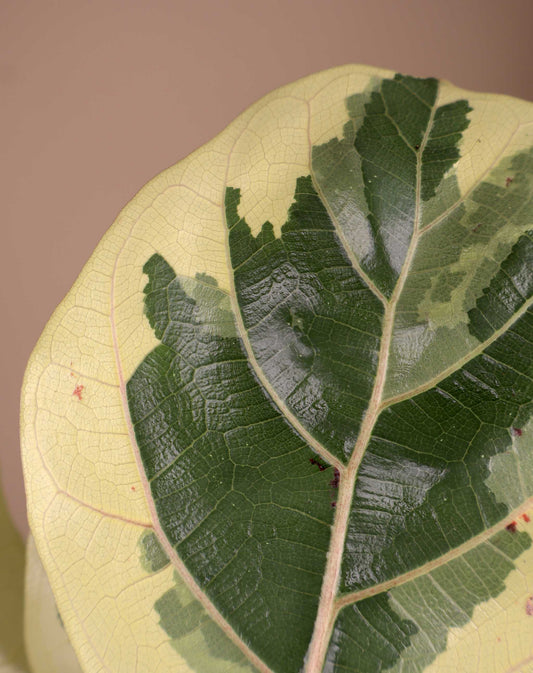
Ficus Lyrata Variegata | Variegated Fiddle-Leaf Fig
Regular price 349 SEKRegular price -
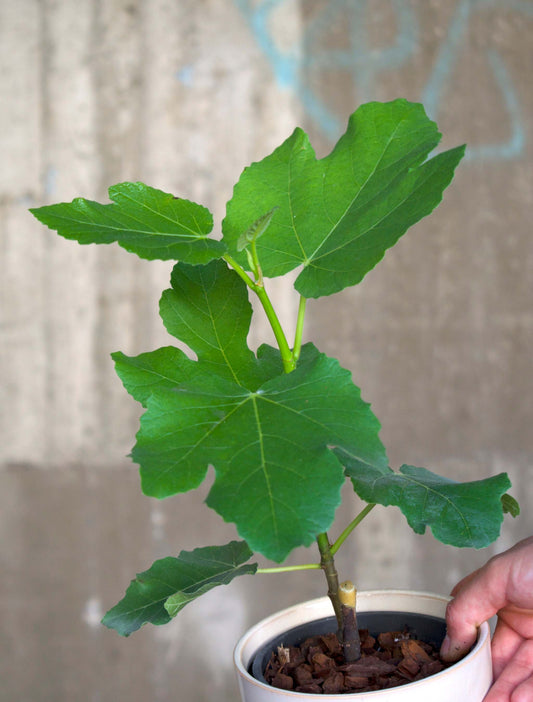
Fiddle-leaf Fig | Ficus lyrata
Regular price 69 SEKRegular price -
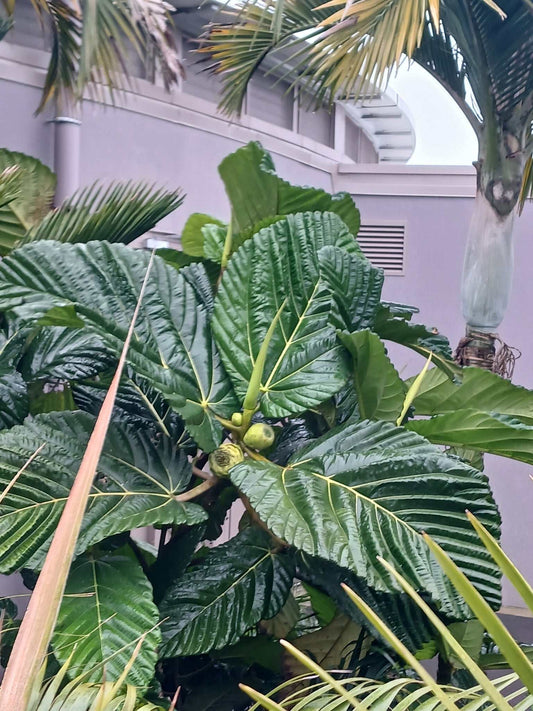
Ficus dammaropsis | The world's largest fig
Regular price 199 SEKRegular price -
Rubber Fig | Ficus elastica 'Schrijveriana'
Regular price 89 SEKRegular price -
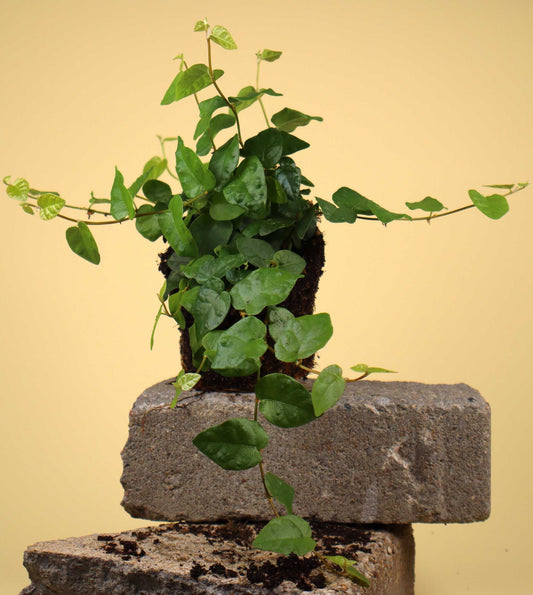
Ficus pumila 'climbing ficus'
Regular price From 49 SEKRegular price -

 Sold out
Ficus villosa
Regular price 599 SEKRegular price749 SEKSale price 599 SEKSold out -

 Sold out
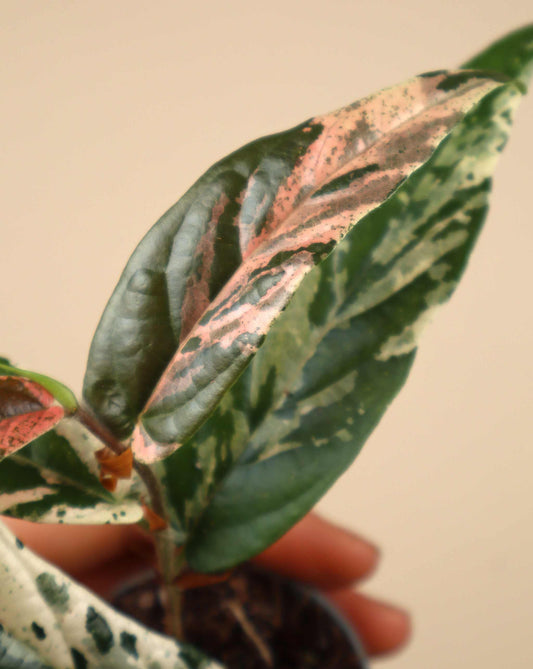
Ficus sagittata 'Pink Variegated'
Regular price 149 SEKRegular price -

 Sold out
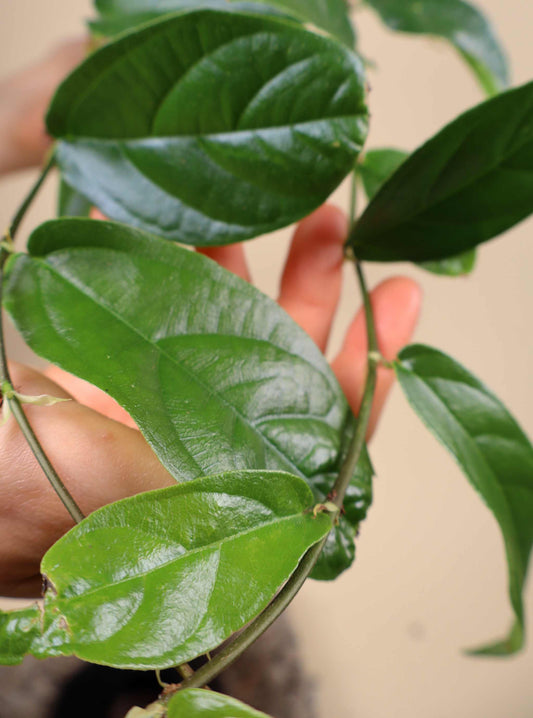
Ficus sagittata (radicans)
Regular price 69 SEKRegular price -

 Sold out
Tiger Fig 'Panachée'
Regular price 239 SEKRegular price -
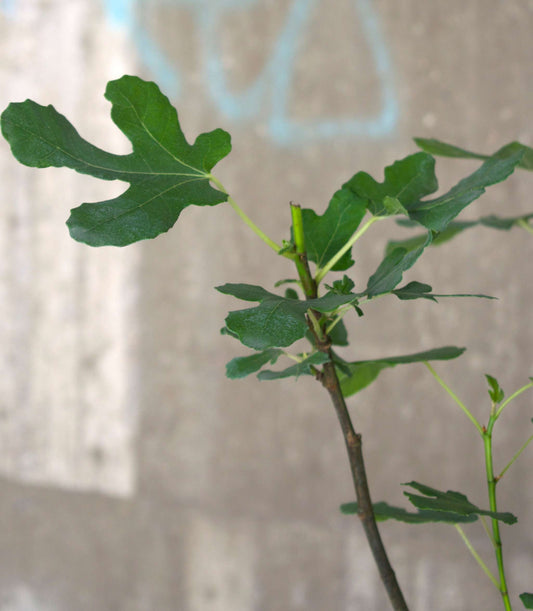
Cold-resistant fig tree 'Brown Turkey'
Regular price 115 SEKRegular price -
 Sold out
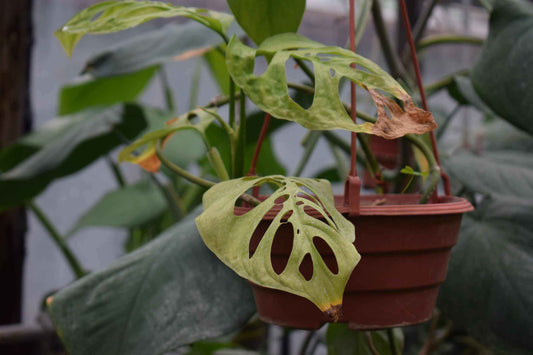
Second chance (3 pcs) package price
Regular price 150 SEKRegular price