Calathea (Kalatea), living works of art from the exotic nature of South America
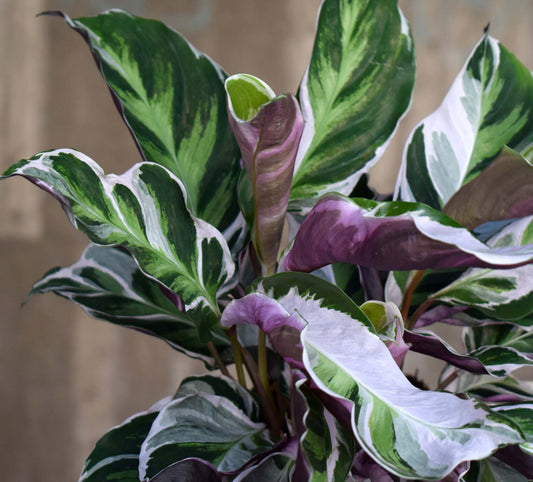
Calathea, or kalatea in Swedish, is a genus of foliage plants in the family Marantaceae. They are particularly known for their spectacular patterns and unique leaves that often have decorative features in green, purple, silver or pink. Calatheas have become incredibly popular as houseplants and not only for their appearance, but also for their fascinating ability to fold their leaves up in the evening, almost as if they have a life of their own.
Many species in the trade have now been transferred to the genus Goeppertia, but are still often sold under the name Calathea, making them easier to recognize.
Popular calathea varieties
There are many different calathea varieties to choose from, and several of them are real collector's favorites:
-
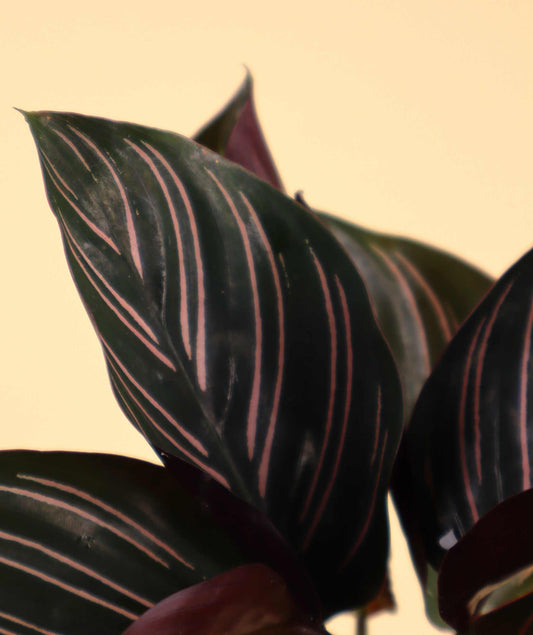
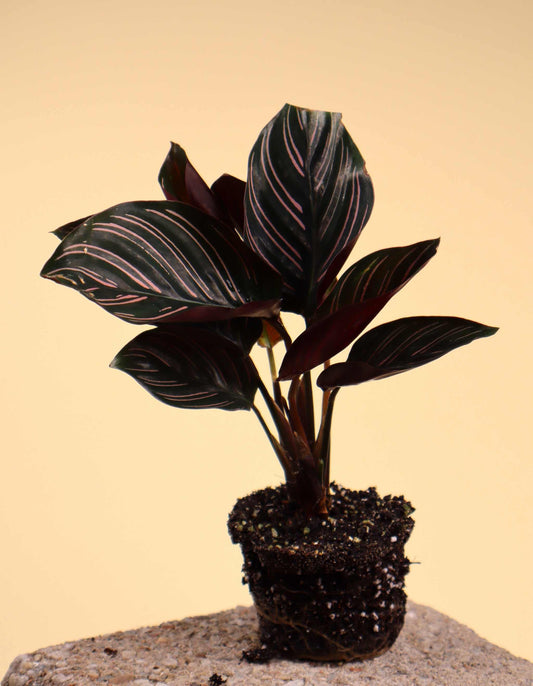
Calathea ornata – with elegant pink stripes on dark green leaves.
-
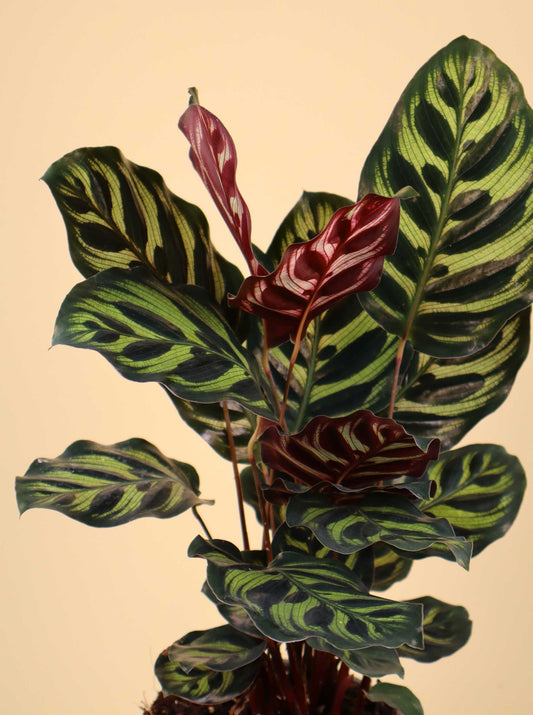
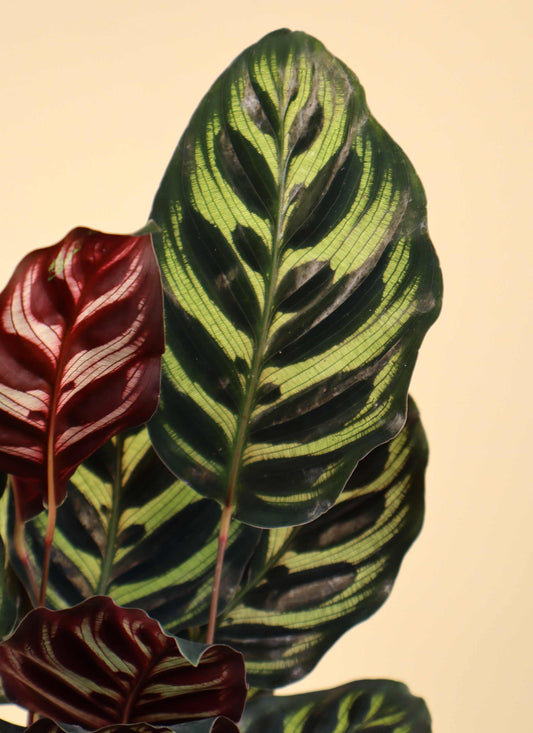
Calathea makoyana – also called peacock calathea, with leaf patterns reminiscent of feathers.
-
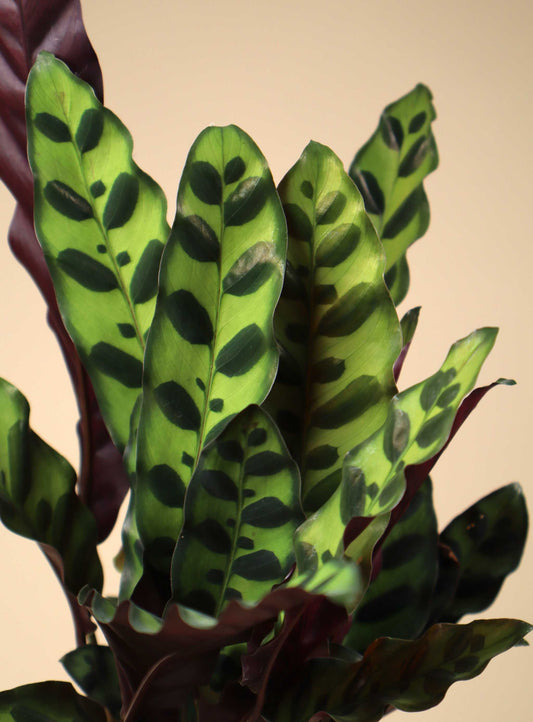
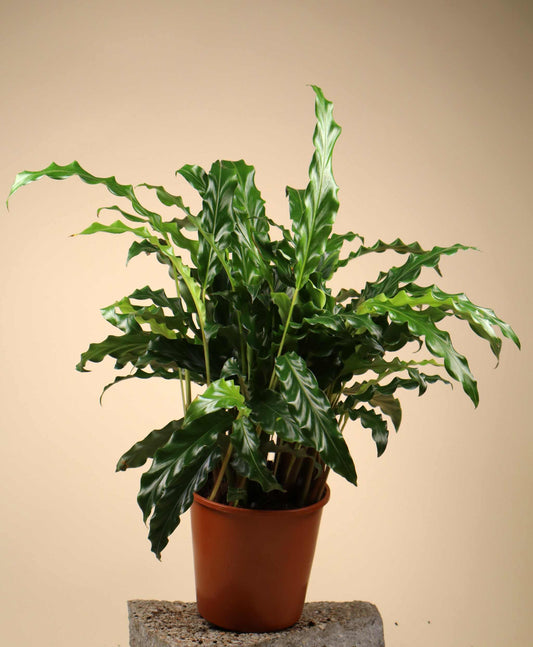
Calathea insignis (or calathea lancifolia) – long, narrow, wavy leaves with dark spots.
-
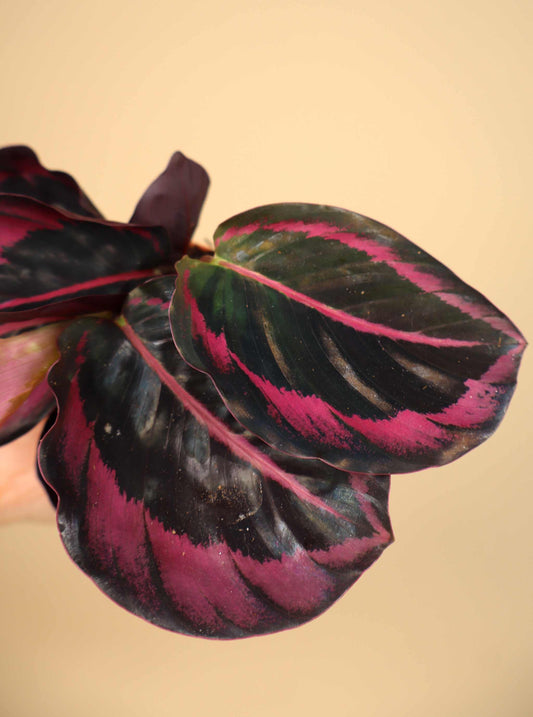
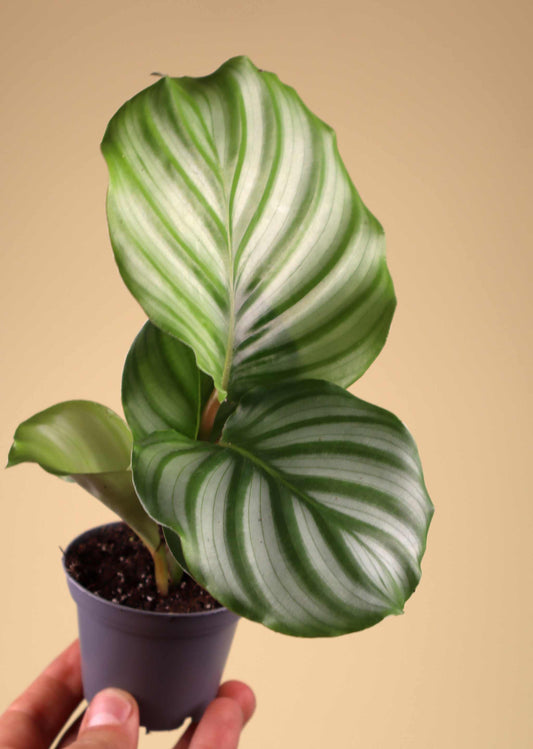
Calathea roseopicta – round leaves with contrasting veins.
-
Calathea warscewiczii – velvety leaves with deep purple undersides.
-
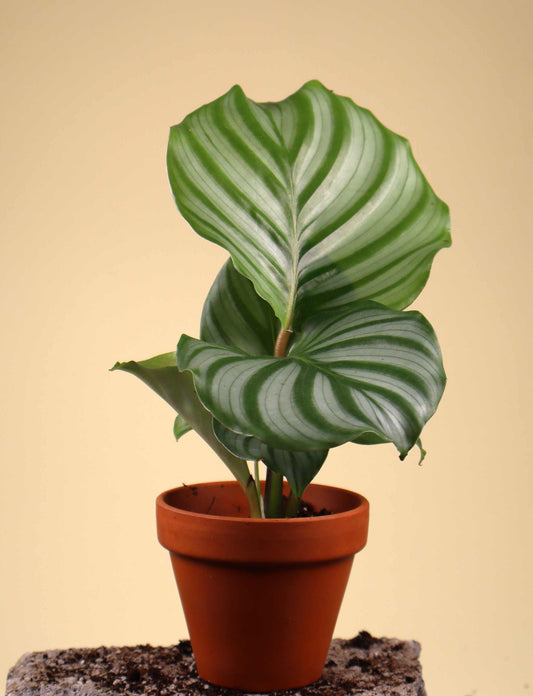
Round Calathea – with softly rounded leaves, but sensitive to Brown leaves due to improper care.
-
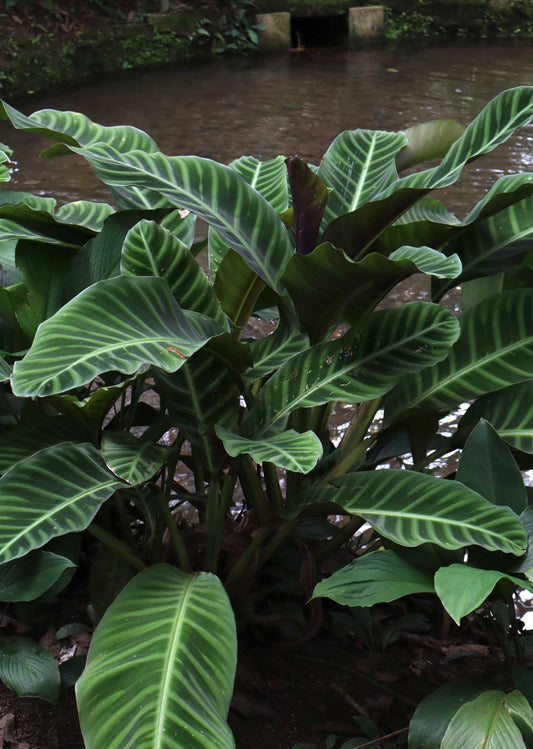
Zebrina calathea – striking leaves with zebra-like stripes.
Calathea care, how to make your calathea thrive
Location and light
Calatheas thrive best in a semi-shaded location, preferably with lots of indirect light but without direct sun, which can bleach the leaves and cause browning. They are great in a dark bathroom where humidity is high, but light should still be sufficient.
Watering and humidity
Calatheas love humidity. Dry indoor air can cause calathea leaves to curl, develop brown edges, or lose color. Mist the leaves regularly, use a humidifier, or place the plant on a saucer of water and Leca beads.
Water when the top layer of soil feels slightly dry. Avoid letting the plant stand wet, as this can lead to root rot.
Soil and transplanting
Plant in airy, peat-free soil with good drainage. A mix for striped leaf plants or rainforest plants works great. Repot every two to three years or when the roots fill the pot. Buy soil for calathea here.
Nutrition
Feed weak plant food about every two weeks during the growing season (spring to early fall). Avoid overfeeding, which can lead to pale or spotted leaves.
Frequently asked questions about Calathea
Why is my Calathea getting brown leaves?
Brown leaves are often a sign of dry air, improper watering, or too much sun. Move the plant to a more sheltered location and increase humidity.
Is calathea poisonous?
No, calathea is not toxic to cats or dogs, making it a good choice in homes with pets.
Can you take cuttings from calathea?
It is possible to propagate Calatheas by dividing the plant when replanting. A cutting is therefore not taken by cutting a branch, but by carefully dividing the root ball so that each part has its own roots.
Does calathea bloom?
Yes, some species do have flowers, but in a home environment this is unusual. It is mainly the decorative leaves that make calathea a favorite.
Are you looking for a plant with character, beautiful patterns and lively movements? Then the calathea is an excellent choice. With the right care instructions, even humidity and placement in partial shade, you will get a colorful and vibrant plant that attracts attention, without being dangerous to your pets. Choose between different calathea varieties such as ornata, lancifolia, roseopicta or zebrina calathea, and discover a world of green, purple and silver in your home. Buy Calathea online!
-
Calathea 'White Fusion'
Regular price 59 SEKRegular price99 SEKSale price 59 SEKSale -
Calathea lancifolia 'rattlesnake plant'
Regular price From 79 SEKRegular price -
Calathea makoyana | Peacock plant
Regular price From 69 SEKRegular price -
Calathea roseopicta 'Dottie'
Regular price 59 SEKRegular price -
Goeppertia ornata 'Mieli' | Pin-Stripe Calathea
Regular price 79 SEKRegular price -
Calathea orbifolia
Regular price 79 SEKRegular price -
 Sold out
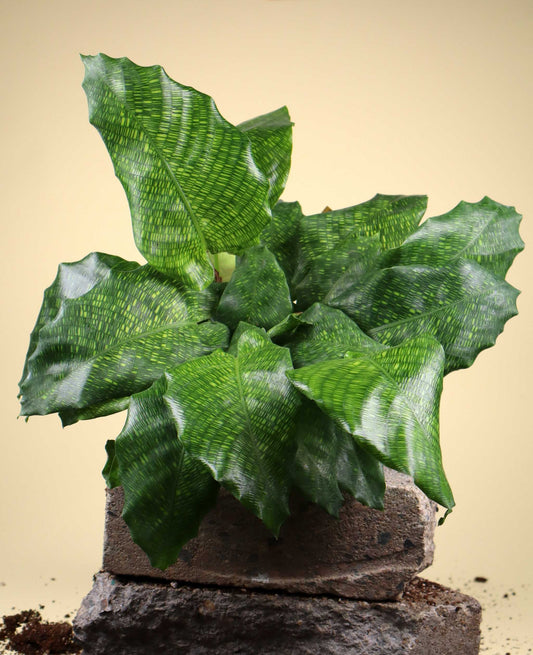
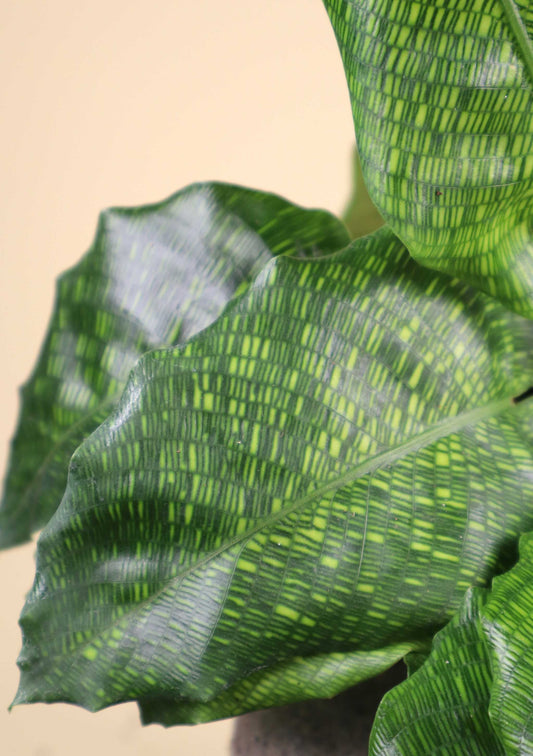
Calathea musaica 'Network'
Regular price 119 SEKRegular price -

 Sold out
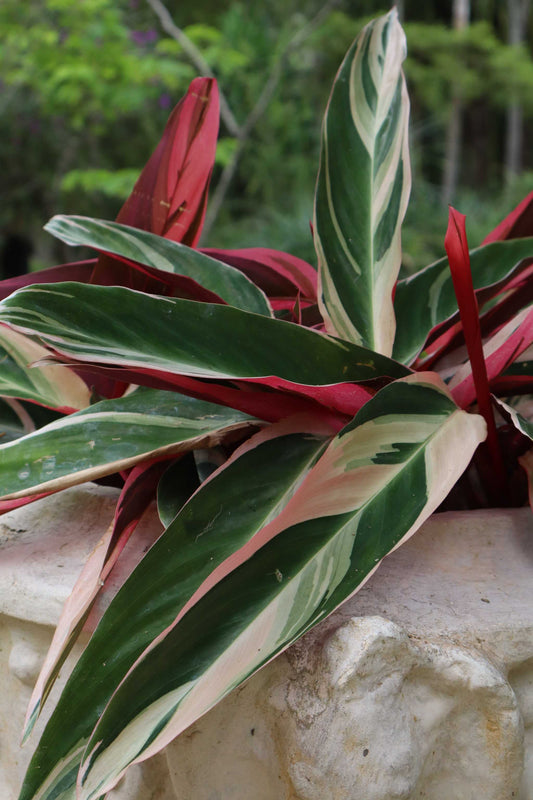
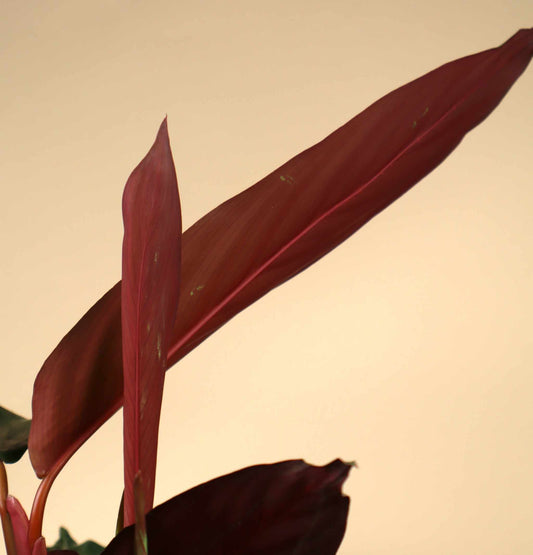
Stromanthe sanguinea (S. thalia)
Regular price 149 SEKRegular price -
Stromanthe sanguinea 'Triostar' (Broken tops)
Regular price 89 SEKRegular price -

 Sold out
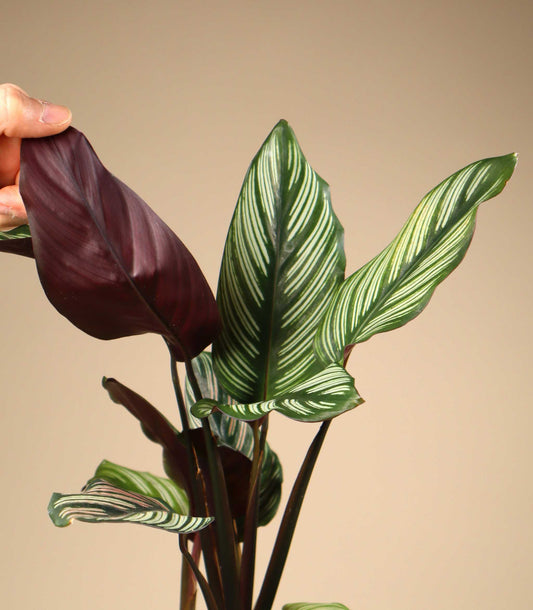
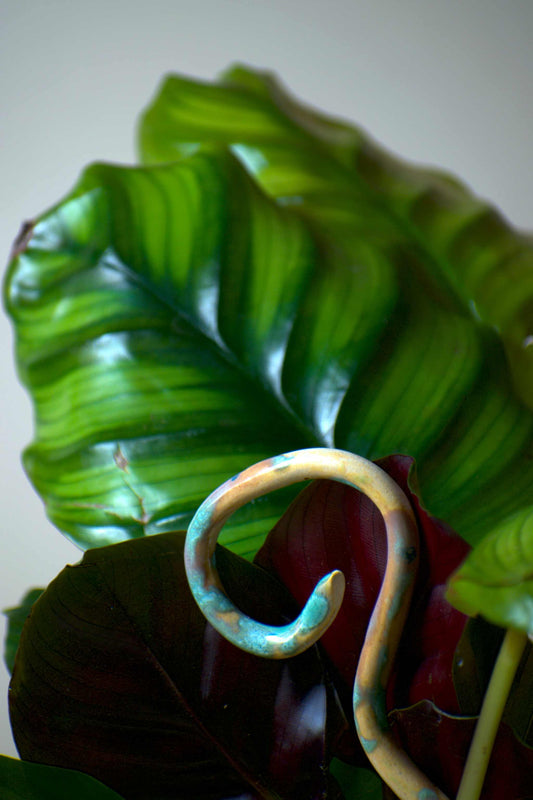
Goeppertia elliptica
Regular price 149 SEKRegular price -

 Sold out
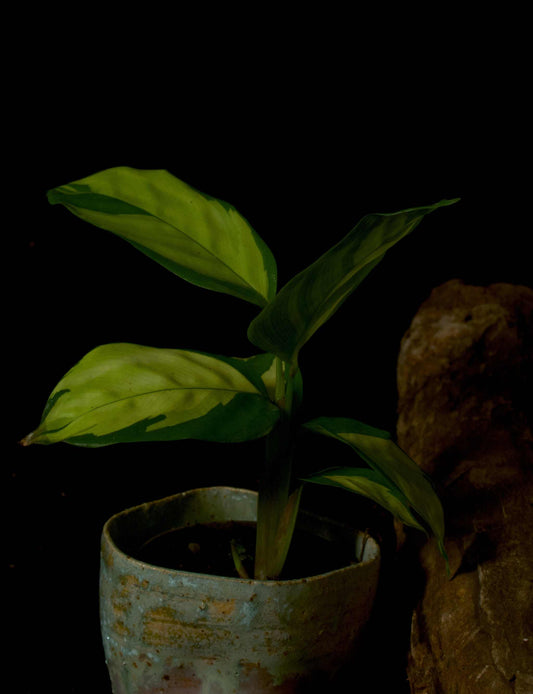
Calathea fasciata
Regular price 139 SEKRegular price -

 Sold out
Ctenanthe pilosa 'Golden Mosaic'
Regular price 99 SEKRegular price -
Mystery plant Small
Regular price 99 SEKRegular price -
Mystery Plant Large
Regular price 249 SEKRegular price -
 Sold out
Second chance (3 pcs) package price
Regular price 150 SEKRegular price -
Calathea rufibeard
Regular price From 59 SEKRegular price -
Goeppertia zebrina | Zebra Plant
Regular price From 99 SEKRegular price