


Prosthechea cochleata 'Cockleshell Orchid'
Prosthechea cochleata 'Cockleshell Orchid'
Couldn't load pickup availability


Octopus-like flowers that sit upside down, blooming most of the year
Prosthechea cochleata, known as the cockleshell orchid, is an epiphytic perennial orchid prized for its unusual flowers. Its shape resembles an octopus (albeit with only five arms) with a dark, hooded labellum at the top and paler, hanging sepals and petals below. This is the national flower of Belize, where it is called "the black orchid."
The flowers are unusual in that they sit upside down compared to most other orchids; instead of the labellum twisting downwards, it is held at the top of the flower. The species begins to bloom in spring and can continue for up to six months.
The genus name Prosthechea comes from the Greek word for appendage (prostheke), while the shape of the labellum with its transverse lines resembles a cockleshell. The pseudobulbs are oblong-discoid and each bear one to three linear leaves.
Botanical description
The species is native to southern Florida, the Caribbean, and from Mexico to northern South America, where it grows primarily in wet tropical biotopes. It is epiphytic but also often found on rocks in open locations or in thickets and woodlands at elevations between 200 and 1200 meters, sometimes up to 2600 meters.

Care
Thrives in bright conditions; provide as much light as possible during winter but protect from direct sun in summer. Use a well-aerated epiphytic orchid substrate, such as a mix of bark, perlite, and sphagnum moss.
Water and mist year-round, but provide less water during the dormancy period when the plant is not actively growing. Ideal temperature 18-26 degrees Celsius. A support stake may be needed to ensure straight flower stalks and to keep the plant stable after repotting.
Emerging flower buds can be susceptible to mealybugs, so keep an eye out.
Shipping Policy
Shipping Policy
When buying live plants, transport can sometimes affect the condition of the plant. We strive to ensure that all plants arrive in good health, but minor shipping damage, such as a torn leaf or bent stem, is sometimes unavoidable. Read more about our policy here.


Join the customer club
Earn points on purchases and through special actions. Spend your points on rewards including gift products & discounts
Learn more about your plants!
View all-

How to repot houseplants - Step by step
Repotting houseplants is the key to keeping your indoor plants healthy and happy. It's all about the right soil, the right size pot and a little patience. In our guide...
How to repot houseplants - Step by step
Repotting houseplants is the key to keeping your indoor plants healthy and happy. It's all about the right soil, the right size pot and a little patience. In our guide...
-
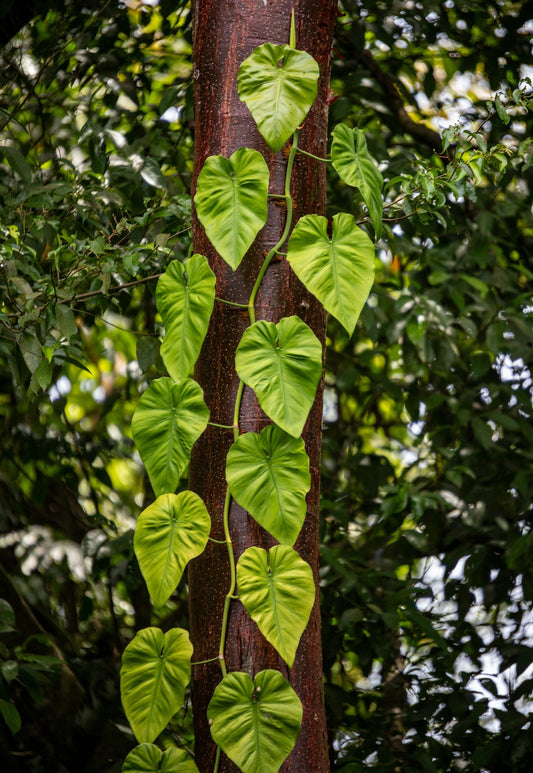
Indoor Climbing Plants | Complete Guide to Clim...
Indoor climbing plants bring life and movement to your home. They can hang freely from hanging baskets or climb up trellises. These green plants quickly transform windows and corners into...
Indoor Climbing Plants | Complete Guide to Clim...
Indoor climbing plants bring life and movement to your home. They can hang freely from hanging baskets or climb up trellises. These green plants quickly transform windows and corners into...
-

Propagate your Houseplants | Tips from the Expert
Is there anything more satisfying than watching a new plant grow from a cutting you made yourself? Plant propagation involves creating new plants from parts of your existing plants. It's...
Propagate your Houseplants | Tips from the Expert
Is there anything more satisfying than watching a new plant grow from a cutting you made yourself? Plant propagation involves creating new plants from parts of your existing plants. It's...

