


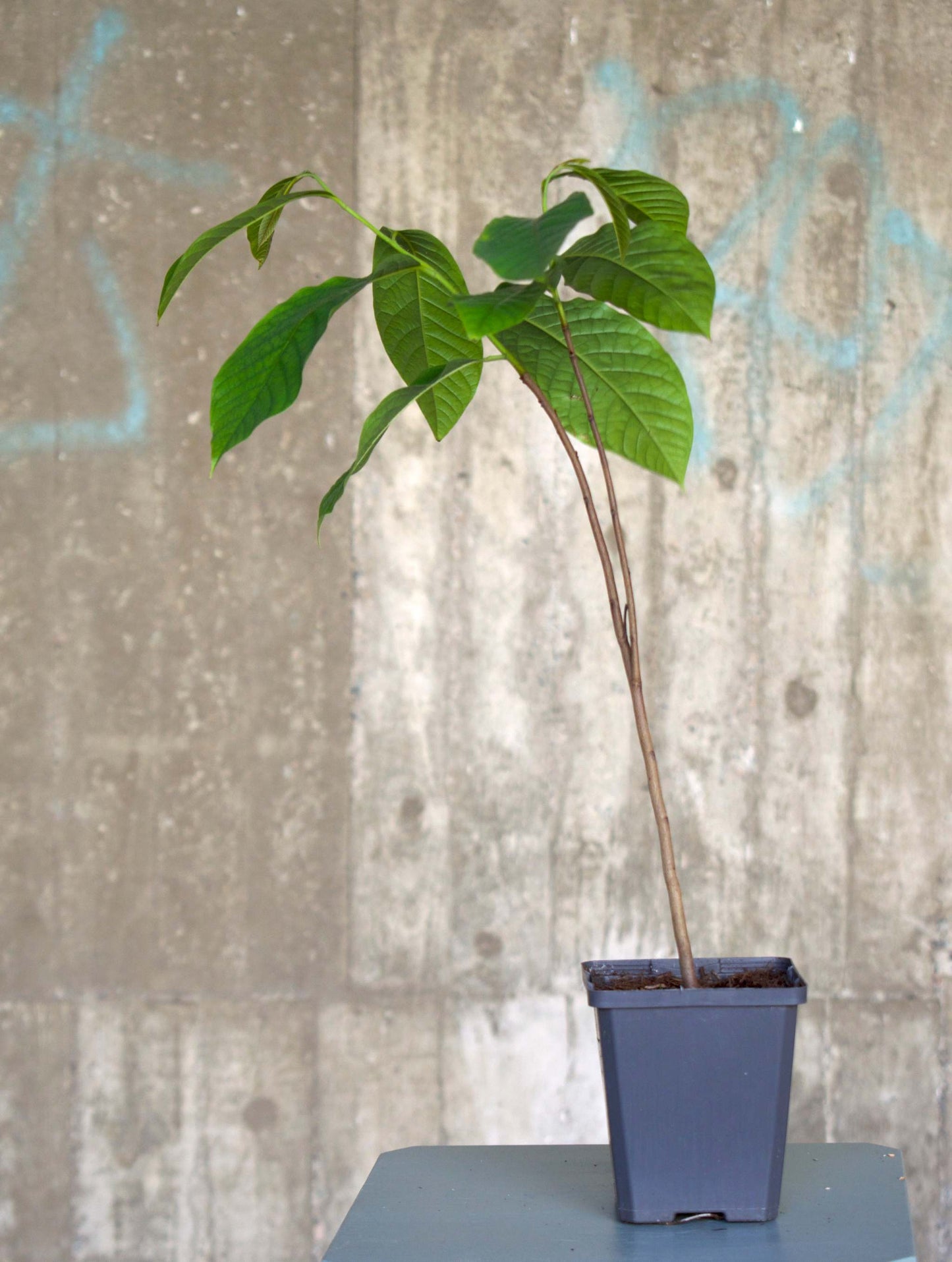
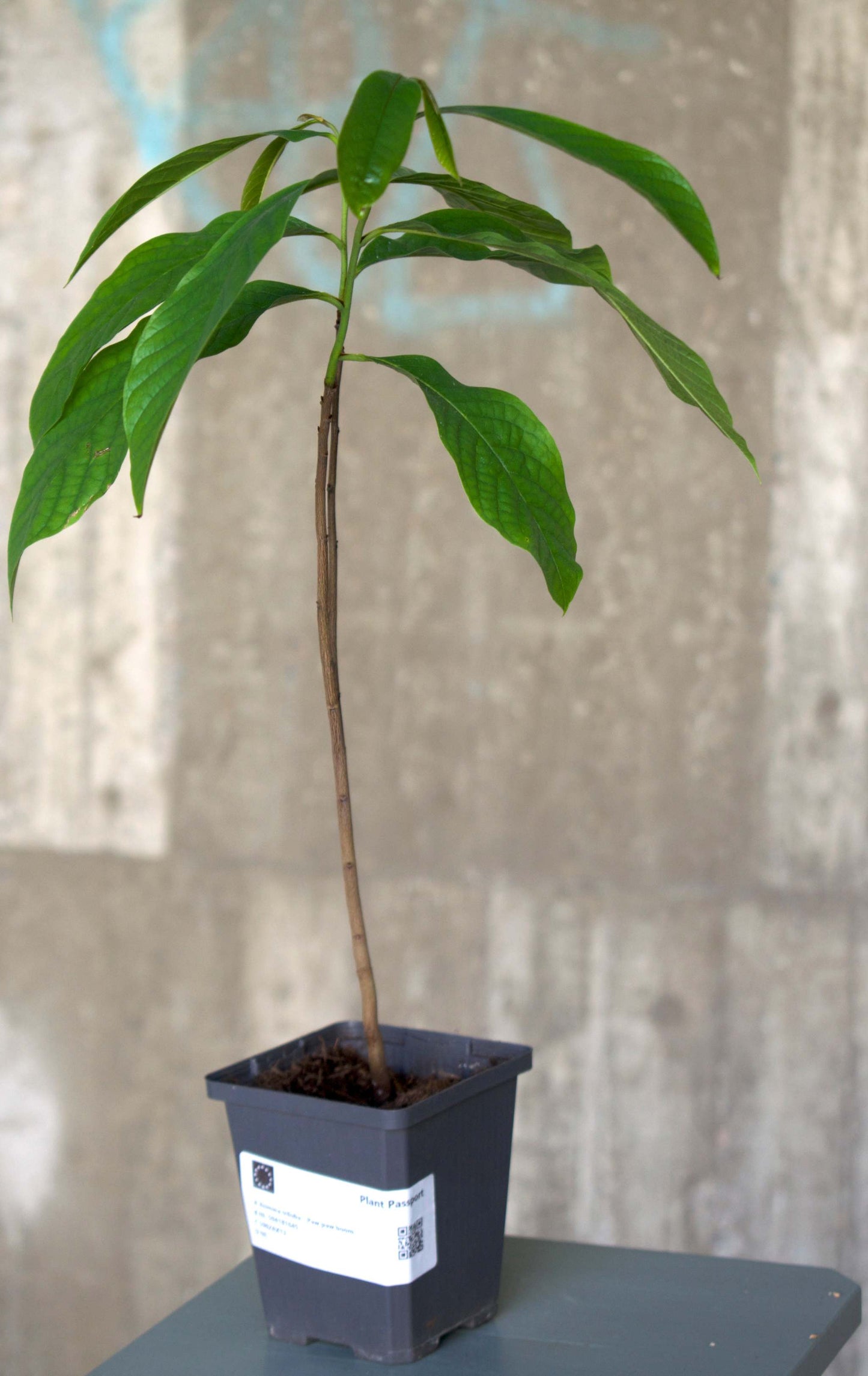
Pawpaw 'Asimina triloba'
Pawpaw 'Asimina triloba'
Couldn't load pickup availability


Very hardy fruit tree with North America's largest edible fruit, tastes like banana, mango, and pineapple
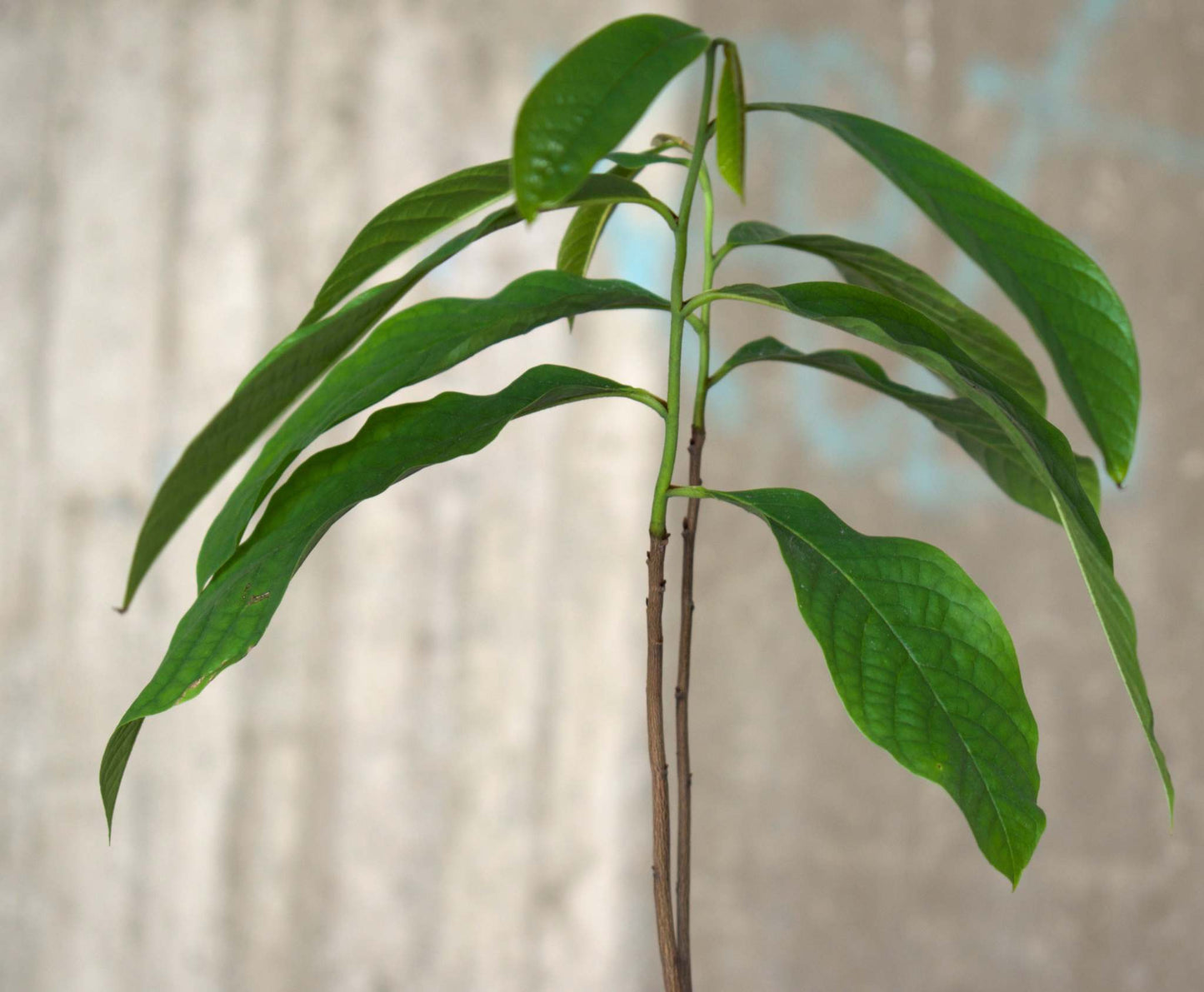
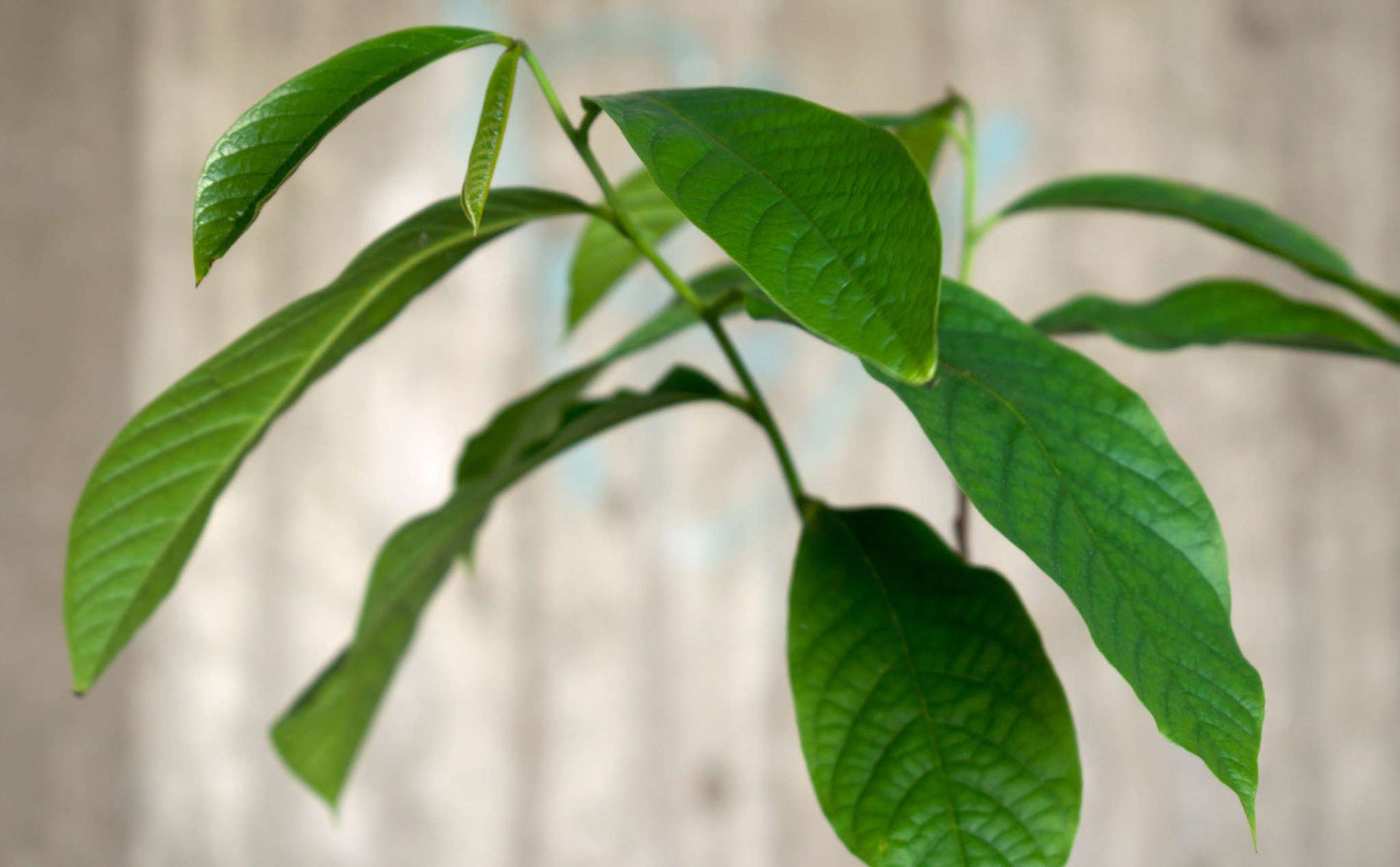
Pawpaw (Asimina triloba) is a fascinating fruit tree that produces the largest edible fruit native to North America. The tree is the only temperate member of the large, mainly tropical plant family Annonaceae, and its large leaves with drip tips are more characteristic of plants in tropical rainforests than of its temperate distribution range.
Spring brings wine-purple flowers that transform into clusters of elongated fruits. In autumn, the large, green fruit softens, emits a ripe scent, and turns yellowish. This is when you pick and eat the flavorful fruit, which resembles a mix of banana, mango, and pineapple. The fruits ripen in October and can be stored in the refrigerator for 1 to 2 weeks.
The nutritious fruit is high in protein and is a good source of vitamins and minerals. The English name is spelled in several ways (pawpaw, paw paw, paw-paw, papaw) and likely originates from the Spanish word papaya.
Important about pollination: Pawpaw is self-incompatible, meaning that pollen from one plant cannot pollinate flowers on the same plant. To get fruit, a pawpaw flower must receive pollen from flowers on another tree; therefore, you must plant two different trees for cross-pollination.
Care
In Sweden, pawpaw prefers to be in as sunny and warm a location as possible, but in soil that is not too dry. The location should also be somewhat sheltered from the wind.
The tree can withstand temperatures down to -25 degrees Celsius, but despite its hardiness, it should be grown in a truly warm and sunny location to ensure the fruit ripens before autumn gets too cold.
Keep the soil consistently moist, especially during the establishment years. Pawpaw is not particularly susceptible to insects or diseases, making it a rewarding fruit tree. Trees usually begin to bear fruit 2 to 3 years after planting. Buy Pawpaw online!
Shipping Policy
Shipping Policy
When buying live plants, transport can sometimes affect the condition of the plant. We strive to ensure that all plants arrive in good health, but minor shipping damage, such as a torn leaf or bent stem, is sometimes unavoidable. Read more about our policy here.



Join the customer club
Earn points on purchases and through special actions. Spend your points on rewards including gift products & discounts
Learn more about your plants!
View all-

How to repot houseplants - Step by step
Repotting houseplants is the key to keeping your indoor plants healthy and happy. It's all about the right soil, the right size pot and a little patience. In our guide...
How to repot houseplants - Step by step
Repotting houseplants is the key to keeping your indoor plants healthy and happy. It's all about the right soil, the right size pot and a little patience. In our guide...
-
Indoor Climbing Plants | Complete Guide to Clim...
Indoor climbing plants bring life and movement to your home. They can hang freely from hanging baskets or climb up trellises. These green plants quickly transform windows and corners into...
Indoor Climbing Plants | Complete Guide to Clim...
Indoor climbing plants bring life and movement to your home. They can hang freely from hanging baskets or climb up trellises. These green plants quickly transform windows and corners into...
-

Propagate your Houseplants | Tips from the Expert
Is there anything more satisfying than watching a new plant grow from a cutting you made yourself? Plant propagation involves creating new plants from parts of your existing plants. It's...
Propagate your Houseplants | Tips from the Expert
Is there anything more satisfying than watching a new plant grow from a cutting you made yourself? Plant propagation involves creating new plants from parts of your existing plants. It's...

