


Ficus elastica "Tineke" | Rubber Plant
Ficus elastica "Tineke" | Rubber Plant
Couldn't load pickup availability


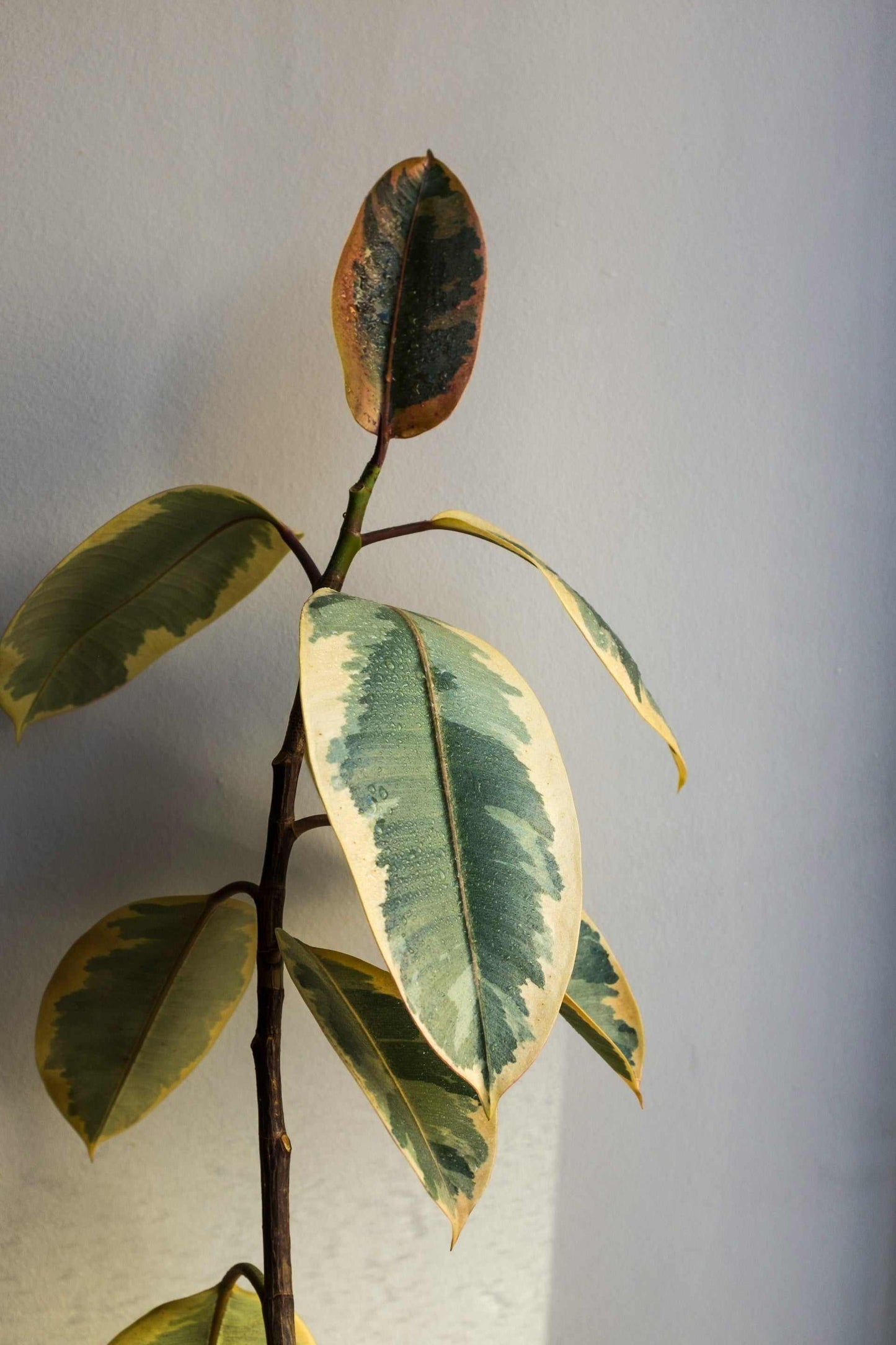
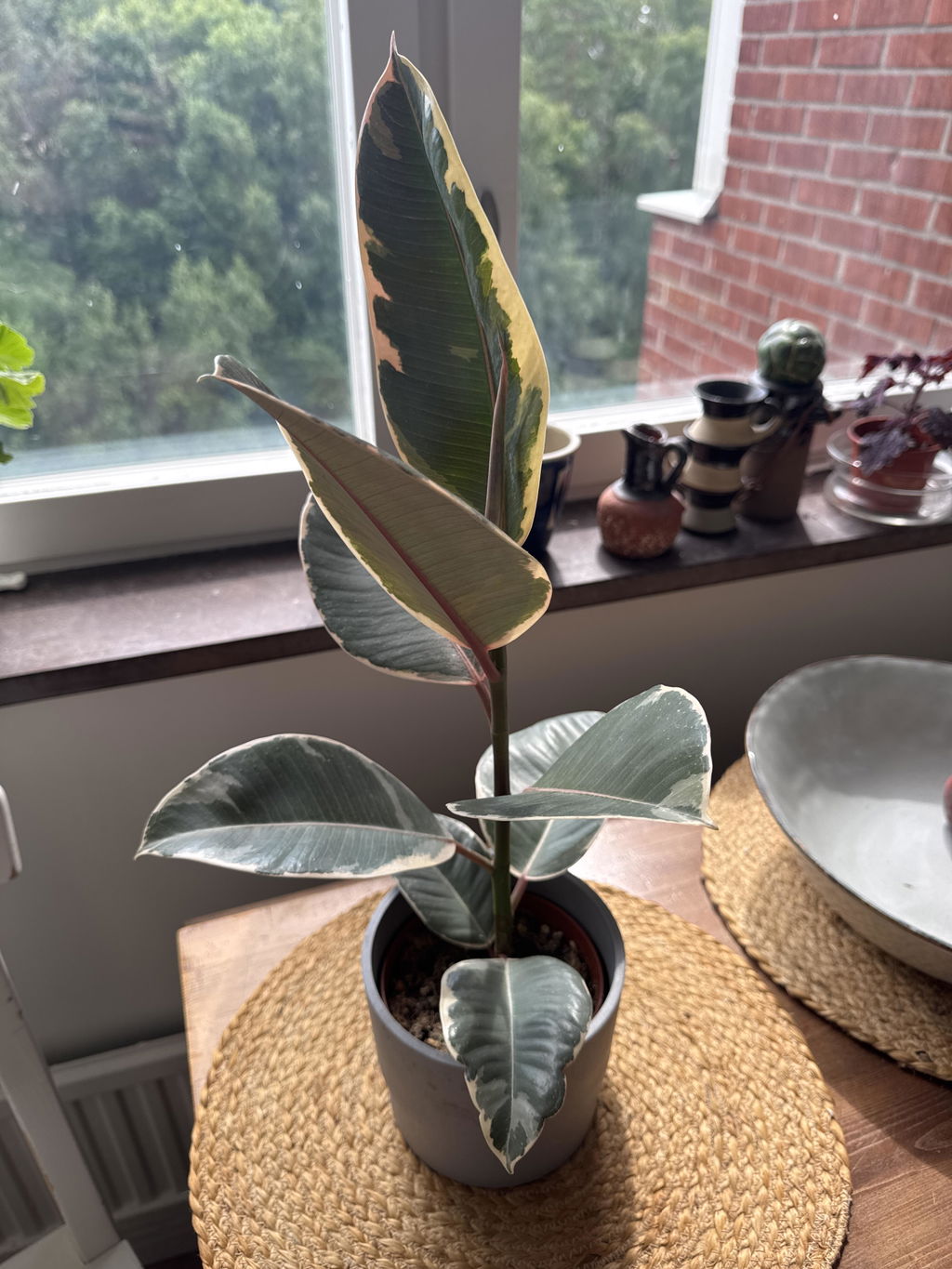
Classic variegated Rubber Plant in dark green and creamy white with reddish new leaves
Ficus elastica, the classic "rubber plant," originates from South and Southeast Asia, from northern India to Indonesia. It is a "strangler fig" that, in nature, climbs large trees as a hemiepiphyte and over time envelops them with its stem and large aerial roots, thus "strangling" them.
However, it is not parasitic but merely uses other plants for support. As a houseplant, this behavior is not necessary; it grows perfectly as a solitary plant and then develops a completely normal stem.
'Tineke' is a classic and popular variety with glossy, variegated leaves in dark green and creamy white. The new leaves have a beautiful reddish hue as they unfurl. An easy-care and long-lived plant that provides year-round color and is perfect for Scandinavian homes.
When damaged, it exudes a sticky white latex, like many other Ficus species. This can be used to produce rubber, although natural rubber is commercially extracted from other species.
Care
We recommend growing Ficus elastica 'Tineke' in a bright location without strong direct sun, as direct sunlight can bleach the light parts of the leaves. Keep the soil evenly moist but well-drained, allowing it to dry out slightly between waterings.
Keep the leaves clean by showering or wiping them regularly, which also helps the plant breathe and look fresh. Pinch back the plant if you want it to branch out and become bushier. Ideal temperature 18-26 degrees Celsius. Buy Ficus elastica 'Tineke' online!
Shipping Policy
Shipping Policy
When buying live plants, transport can sometimes affect the condition of the plant. We strive to ensure that all plants arrive in good health, but minor shipping damage, such as a torn leaf or bent stem, is sometimes unavoidable. Read more about our policy here.



Join the customer club
Earn points on purchases and through special actions. Spend your points on rewards including gift products & discounts
Learn more about your plants!
View all-

How to repot houseplants - Step by step
Repotting houseplants is the key to keeping your indoor plants healthy and happy. It's all about the right soil, the right size pot and a little patience. In our guide...
How to repot houseplants - Step by step
Repotting houseplants is the key to keeping your indoor plants healthy and happy. It's all about the right soil, the right size pot and a little patience. In our guide...
-
Indoor Climbing Plants | Complete Guide to Clim...
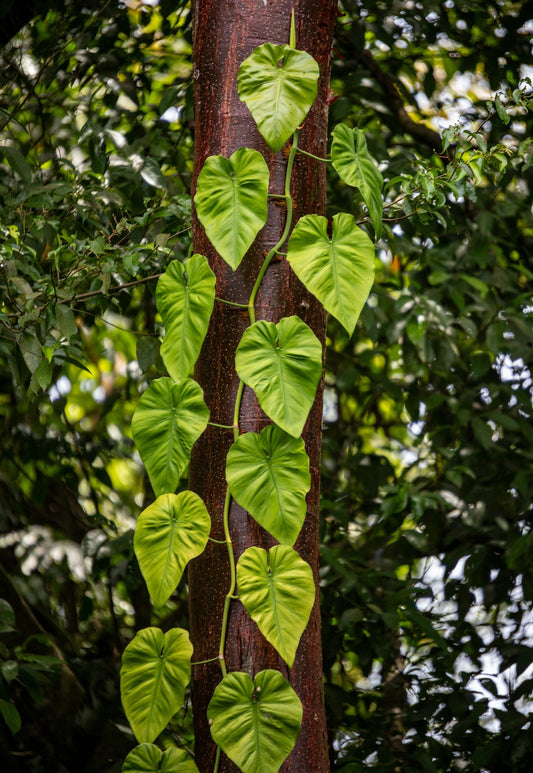
Indoor climbing plants bring life and movement to your home. They can hang freely from hanging baskets or climb up trellises. These green plants quickly transform windows and corners into...
Indoor Climbing Plants | Complete Guide to Clim...
Indoor climbing plants bring life and movement to your home. They can hang freely from hanging baskets or climb up trellises. These green plants quickly transform windows and corners into...
-

Propagate your Houseplants | Tips from the Expert
Is there anything more satisfying than watching a new plant grow from a cutting you made yourself? Plant propagation involves creating new plants from parts of your existing plants. It's...
Propagate your Houseplants | Tips from the Expert
Is there anything more satisfying than watching a new plant grow from a cutting you made yourself? Plant propagation involves creating new plants from parts of your existing plants. It's...

