


Syngonium erythrophyllum
Syngonium erythrophyllum
Couldn't load pickup availability
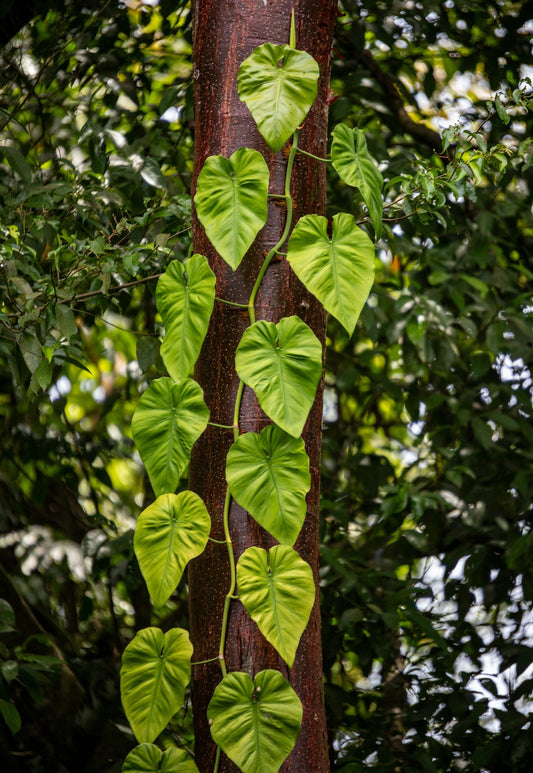
Syngonium erythrophyllum: Red-veined arrowhead vine
The leaves of this arrowhead vine are arrow-shaped and dark green with contrasting red or reddish-brown veins.
The leaves have a smooth to slightly leathery surface with a glossy finish. As the plant grows, the leaves become larger and the veins more prominent. The plant is a climbing or creeping species that forms ground-covering mats as it matures.
botanical description
Syngonium erythrophyllum is native to the tropical rainforests of Central America, particularly Costa Rica and Panama. It grows naturally in moist, shady environments at altitudes from sea level up to about 1500 meters.

The species was described by botanist GS Bunting in 1977 and has since been highly prized by collectors for its unique leaves and manageable size. The first collections were made by plant explorers in the rainforests of Central America.
Care
Light : Prefers bright, indirect light but can also tolerate lower light conditions. Vivid leaf colors may fade in insufficient light.
Watering : Keep the soil evenly moist but not wet. Avoid both drying out and waterlogging.
Humidity : Requires high humidity. Regular misting or placing on a humidity tray is recommended.
Soil : Well-drained, humus-rich soil mix with perlite and orchid bark, like our aroid soil. Good drainage while retaining enough moisture.
Temperature : Grows best at 18-27°C.
Fertilization : Balanced plant nutrition at half strength every 4-6 weeks during the growing season.
The plant has a rhizomatous root system and can be propagated both by rhizome division and cuttings from aerial stems. Perfect for those looking for a unique plant with spectacular leaves that doesn't get too big. Buy Syngonium erythrophyllum online!
Shipping Policy
Shipping Policy
When buying live plants, transport can sometimes affect the condition of the plant. We strive to ensure that all plants arrive in good health, but minor shipping damage, such as a torn leaf or bent stem, is sometimes unavoidable. Read more about our policy here.


Join the customer club
Earn points on purchases and through special actions. Spend your points on rewards including gift products & discounts
Learn more about your plants!
View all-

How to repot houseplants - Step by step
Repotting houseplants is the key to keeping your indoor plants healthy and happy. It's all about the right soil, the right size pot and a little patience. In our guide...
How to repot houseplants - Step by step
Repotting houseplants is the key to keeping your indoor plants healthy and happy. It's all about the right soil, the right size pot and a little patience. In our guide...
-
Indoor Climbing Plants | Complete Guide to Clim...
Indoor climbing plants bring life and movement to your home. They can hang freely from hanging baskets or climb up trellises. These green plants quickly transform windows and corners into...
Indoor Climbing Plants | Complete Guide to Clim...
Indoor climbing plants bring life and movement to your home. They can hang freely from hanging baskets or climb up trellises. These green plants quickly transform windows and corners into...
-

Propagate your Houseplants | Tips from the Expert
Is there anything more satisfying than watching a new plant grow from a cutting you made yourself? Plant propagation involves creating new plants from parts of your existing plants. It's...
Propagate your Houseplants | Tips from the Expert
Is there anything more satisfying than watching a new plant grow from a cutting you made yourself? Plant propagation involves creating new plants from parts of your existing plants. It's...

