


Red dwarf banana 'Figue rose naine' | Edible
Red dwarf banana 'Figue rose naine' | Edible
Couldn't load pickup availability


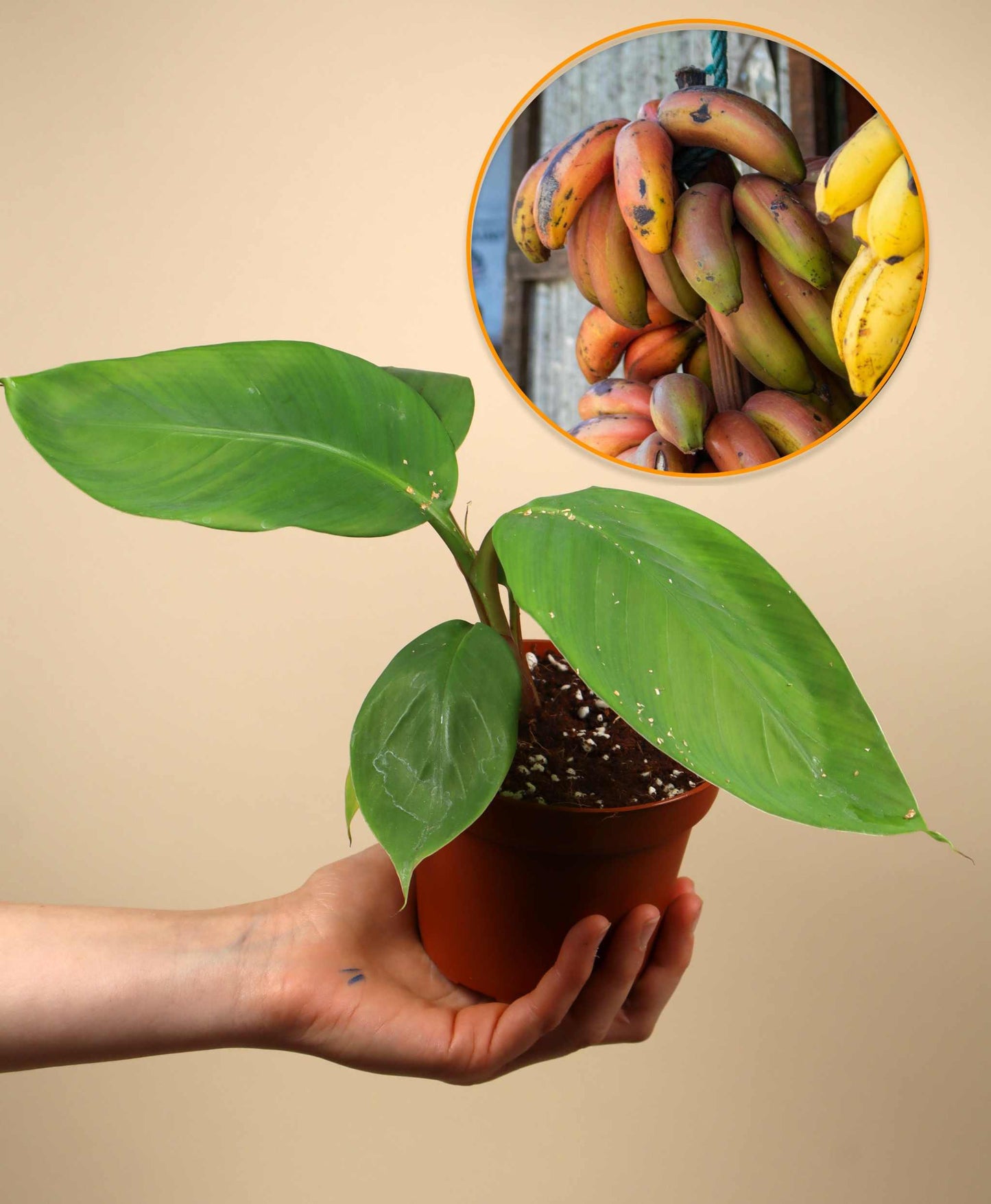
Exotic, red bananas in dwarf form!
Musa acuminata 'Figue Rose Naine' is a compact banana plant that produces red-colored desert bananas. It is also called Red Dwarf Banana, Dwarf Cuban Red or Dwarf Red Dacca and grows only 3-4 meters tall.
The bananas are dark purple when ripe and turn reddish brown with hints of yellow when they are ready to eat. The flesh is creamy white to slightly pink with a sweet, creamy flavor that many consider superior to the regularCavendish banana .
This variety is self-fertile and does not require another banana for pollination. Flowering is followed by the development of small banana clusters where the fruits ripen to their characteristic red color.
The redder the fruit, the higher the content of carotene and vitamin C. This variety is therefore rich in vitamins, especially beta-carotene and vitamin C, and contains significant amounts of potassium and iron.
Botanical description
Figue Rose Naine is a clone of the widespread cultivar Dwarf Red Banana, a AAA type of banana that also goes by the name Dwarf Cuban Red in the Caribbean and Indio or Macaboo in other parts of the world. The name "Figue Rose" comes from Martinique where the variety was traditionally grown, and "Naine" means dwarf in French, referring to the compact growth habit of the plant.
The variety was introduced to the Canary Islands in the early 1990s from Martinique and has since been reproduced in vitro on the islands. Despite its smaller size, the plant is very robust and vigorous with a powerful pseudostem (the false stem that banana plants have).
Care
Musa acuminata 'Figue Rose Naine' thrives best in warm, sheltered locations with full sun or light shade. The plant prefers a humus-rich, well-drained soil. This soil mix works very well for growing in pots.
Flowering usually occurs 10-15 months after planting under favorable conditions. The plant requires regular watering during hot periods, but make sure the soil never remains in water. During the summer, the soil should never be allowed to dry out completely.
This variety is sensitive to cold and should be protected from temperatures below 8°C, especially young plants. It is hardy down to +2°C for a short time, but the plant must be overwintered frost-free in Sweden.
In our climate, the Figue Rose Naine banana is best grown in a large pot on a terrace or in a greenhouse where it can be moved indoors during the winter. During the winter, it should be given extra plant lighting and watered sparingly.
After fruit production, the main stem dies, but new shoots grow up from the rootstock.
The red bananas are harvested when they are deep red or maroon and should be eaten when they are slightly soft and undamaged. They can be eaten fresh, sliced in salads, dried as chips or baked and fried. Store at room temperature for best ripening, avoid refrigeration. Buy Red Banana Plant online!
Shipping Policy
Shipping Policy
When buying live plants, transport can sometimes affect the condition of the plant. We strive to ensure that all plants arrive in good health, but minor shipping damage, such as a torn leaf or bent stem, is sometimes unavoidable. Read more about our policy here.



Join the customer club
Earn points on purchases and through special actions. Spend your points on rewards including gift products & discounts
Learn more about your plants!
View all-

How to repot houseplants - Step by step
Repotting houseplants is the key to keeping your indoor plants healthy and happy. It's all about the right soil, the right size pot and a little patience. In our guide...
How to repot houseplants - Step by step
Repotting houseplants is the key to keeping your indoor plants healthy and happy. It's all about the right soil, the right size pot and a little patience. In our guide...
-
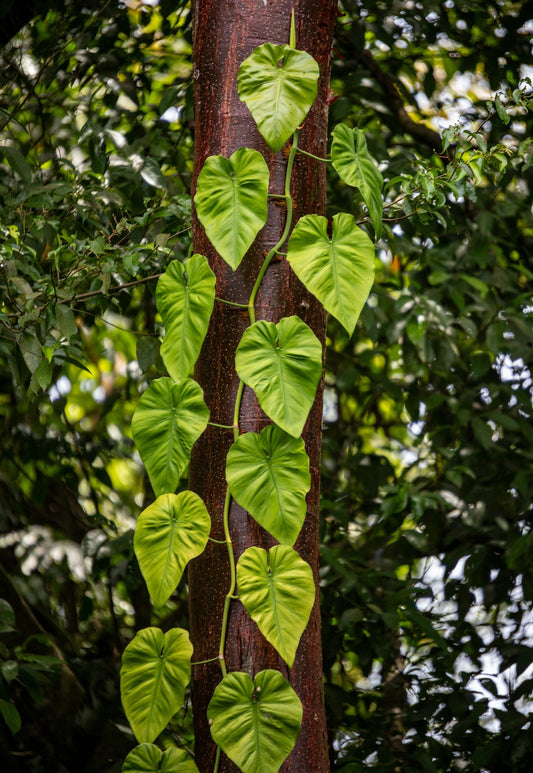
Indoor Climbing Plants | Complete Guide to Clim...
Indoor climbing plants bring life and movement to your home. They can hang freely from hanging baskets or climb up trellises. These green plants quickly transform windows and corners into...
Indoor Climbing Plants | Complete Guide to Clim...
Indoor climbing plants bring life and movement to your home. They can hang freely from hanging baskets or climb up trellises. These green plants quickly transform windows and corners into...
-

Propagate your Houseplants | Tips from the Expert
Is there anything more satisfying than watching a new plant grow from a cutting you made yourself? Plant propagation involves creating new plants from parts of your existing plants. It's...
Propagate your Houseplants | Tips from the Expert
Is there anything more satisfying than watching a new plant grow from a cutting you made yourself? Plant propagation involves creating new plants from parts of your existing plants. It's...

