


Nepenthes sanguinea
Nepenthes sanguinea
Couldn't load pickup availability


Unique Nepenthes Species with Red Pitchers
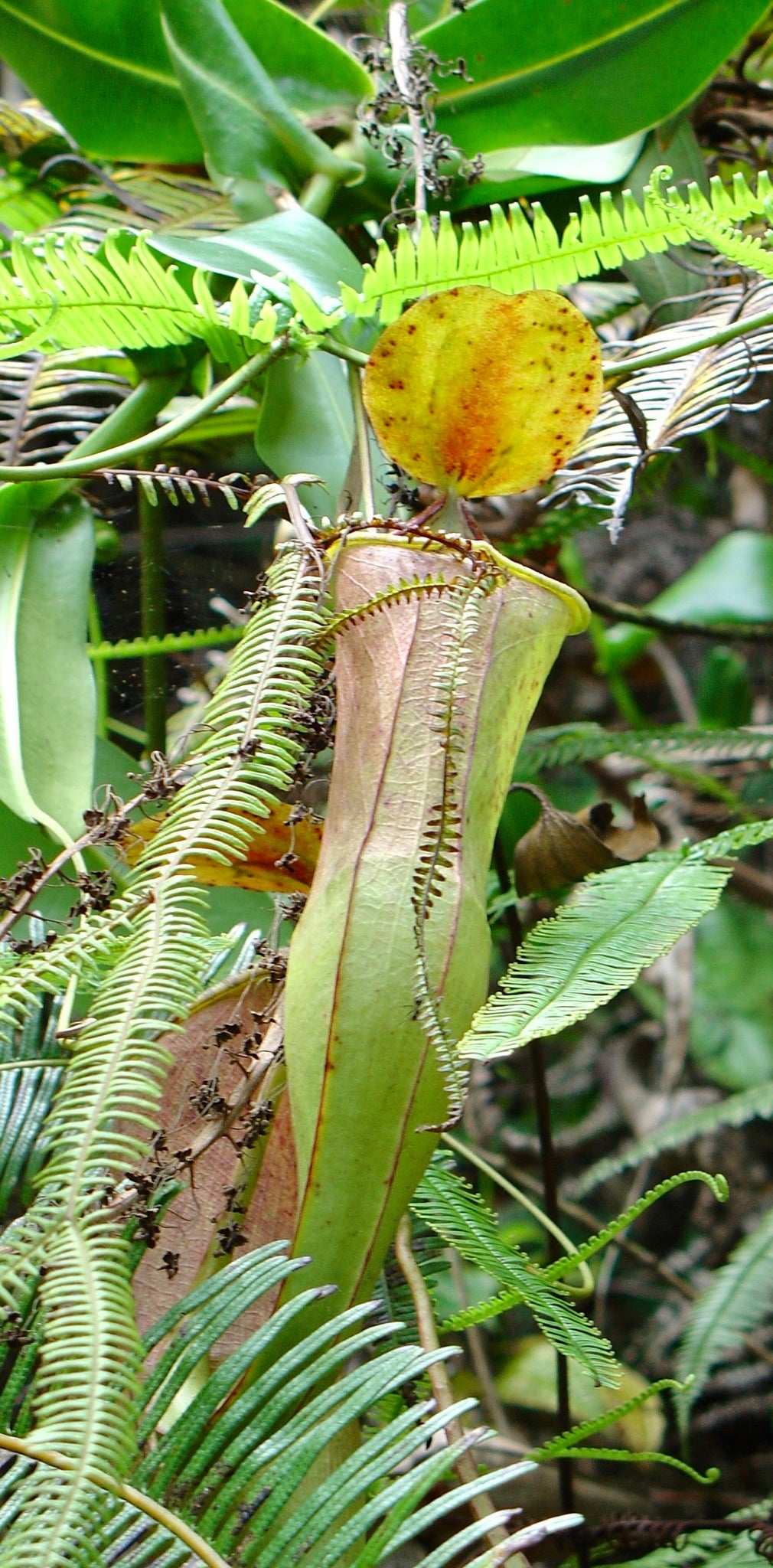
Nepenthes sanguinea (from Latin sanguineus "blood red") is a large and robust pitcher plant from the Malay Peninsula and southern Thailand, where it grows at altitudes of 300-1800 meters. The species primarily grows terrestrially but can grow epiphytically in wet upper montane forests.
The pitchers vary in size, 10-30 centimeters tall, and range from green and yellow to orange and red. The insides of the pitchers are usually mottled with these two main colors. The elegant pitchers appear to glow from within and come in many different colors, a truly underrated species!
The plant was introduced into cultivation as early as 1847 by plant hunter Thomas Lobb via Veitch Nurseries and has been popular in greenhouses since Victorian times, where the pitchers hung from the rafters.
Care
This highland species can be grown on a bright windowsill or in partially shaded outdoor areas, as well as in a terrarium provided it is large enough. Frost easily kills the plant.
Thrives in bright, indirect light. Use substrate mix: 50% long-fiber sphagnum, 50% perlite and coco chips. Keep always moist.
Ideal temperature 18-26°C. Requires high humidity (60-80%).
Shipping Policy
Shipping Policy
When buying live plants, transport can sometimes affect the condition of the plant. We strive to ensure that all plants arrive in good health, but minor shipping damage, such as a torn leaf or bent stem, is sometimes unavoidable. Read more about our policy here.


Join the customer club
Earn points on purchases and through special actions. Spend your points on rewards including gift products & discounts
Learn more about your plants!
View all-

How to repot houseplants - Step by step
Repotting houseplants is the key to keeping your indoor plants healthy and happy. It's all about the right soil, the right size pot and a little patience. In our guide...
How to repot houseplants - Step by step
Repotting houseplants is the key to keeping your indoor plants healthy and happy. It's all about the right soil, the right size pot and a little patience. In our guide...
-
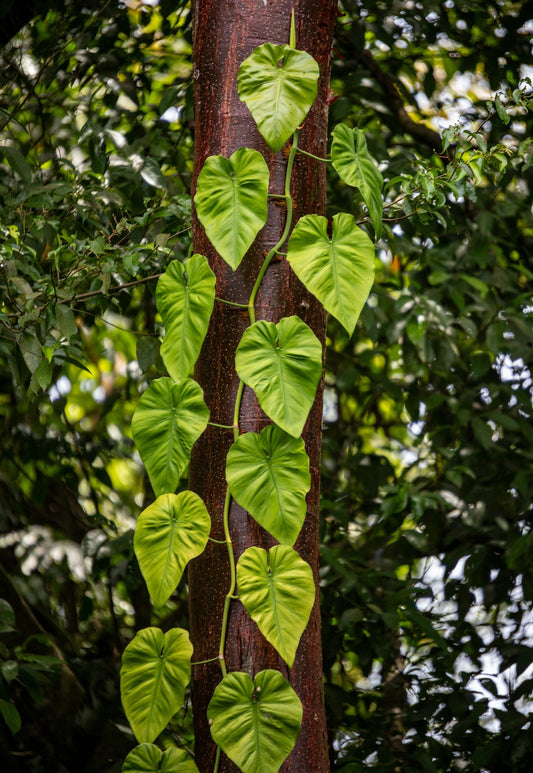
Indoor Climbing Plants | Complete Guide to Clim...
Indoor climbing plants bring life and movement to your home. They can hang freely from hanging baskets or climb up trellises. These green plants quickly transform windows and corners into...
Indoor Climbing Plants | Complete Guide to Clim...
Indoor climbing plants bring life and movement to your home. They can hang freely from hanging baskets or climb up trellises. These green plants quickly transform windows and corners into...
-

Propagate your Houseplants | Tips from the Expert
Is there anything more satisfying than watching a new plant grow from a cutting you made yourself? Plant propagation involves creating new plants from parts of your existing plants. It's...
Propagate your Houseplants | Tips from the Expert
Is there anything more satisfying than watching a new plant grow from a cutting you made yourself? Plant propagation involves creating new plants from parts of your existing plants. It's...

