


Maracuja/yellow passion fruit 'Passiflora edulis f. flavicarpa'
Maracuja/yellow passion fruit 'Passiflora edulis f. flavicarpa'
Couldn't load pickup availability


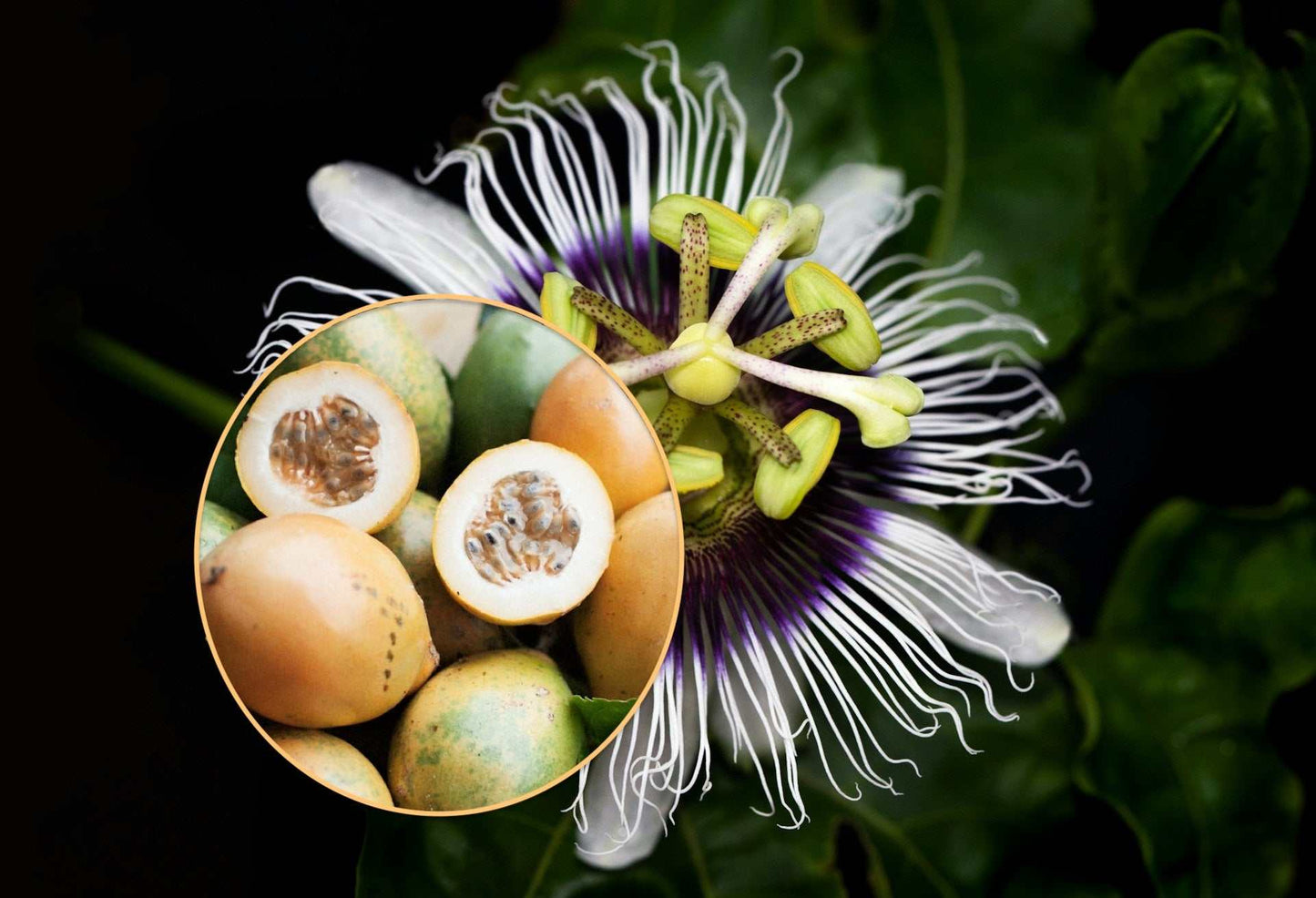
Yellow passion fruit is a tropical climbing plant with vibrant golden fruits & beautiful flowers.
'Maracuja' is the name given to the yellow passion fruit in Brazil where it is very popular in juices and desserts.
The flowers are white and violet, fragrant and measure up to 10 centimetres in diameter. They are more aromatic than other passion fruit varieties. The fruit is larger than the purple variety 'passiflora edulis', round to oval, typically 7-8 centimetres in diameter (about the size of a grapefruit) and weighs about 85 grams. The ripe fruit has yellow, shiny skin.
The flavor of yellow passion fruit is slightly stronger and more acidic than the purple variety. The fruit is rich in vitamins A and C, and contains enzymes that stimulate digestion, as well as many minerals.
Botanical description
Yellow passion fruit is originally native to South America from Brazil to Argentina. Today, passion fruit is grown commercially worldwide for its flavorful fruit. There are nearly 500 varieties of passion flower grown today.
The plant is a perennial liana or woody climber that grows to great lengths and often covers the tops of mature trees where it grows naturally. The total length of mature vines can exceed 30 meters, and they can also grow more than 10 meters in a single year. As new growth emerges from the top, flower buds eventually develop along with young leaves.
The yellow form is known to bear more fruit than other varieties under the right conditions. The plant is also more vigorous and more disease and pest resistant than the purple variety. The tendrils help it climb and stay secure as it wraps around objects it comes into contact with.
Care
Yellow passion flower thrives best in full sun to partial shade and requires at least 6-8 hours of direct sunlight daily for optimal flowering and fruit formation. Better fruit production is achieved with more sun exposure.
Prefers well-drained soil for tropical plants with a pH between 6.5 and 7.5 that can hold moisture and is high in organic matter. We use our peat-free soil and the plants will be delivered planted in this soil mix. Water evenly and keep the soil consistently moist during the summer.
Passion fruit thrives in tropical to subtropical climates and prefers warm temperatures between 18°C and 32°C with high humidity and frost-free conditions. In Sweden, the yellow passion flower is best grown in greenhouses or as a potted plant that can be moved indoors over the winter. Bring the plant indoors before the first autumn frost and reduce watering slightly from autumn to late winter.
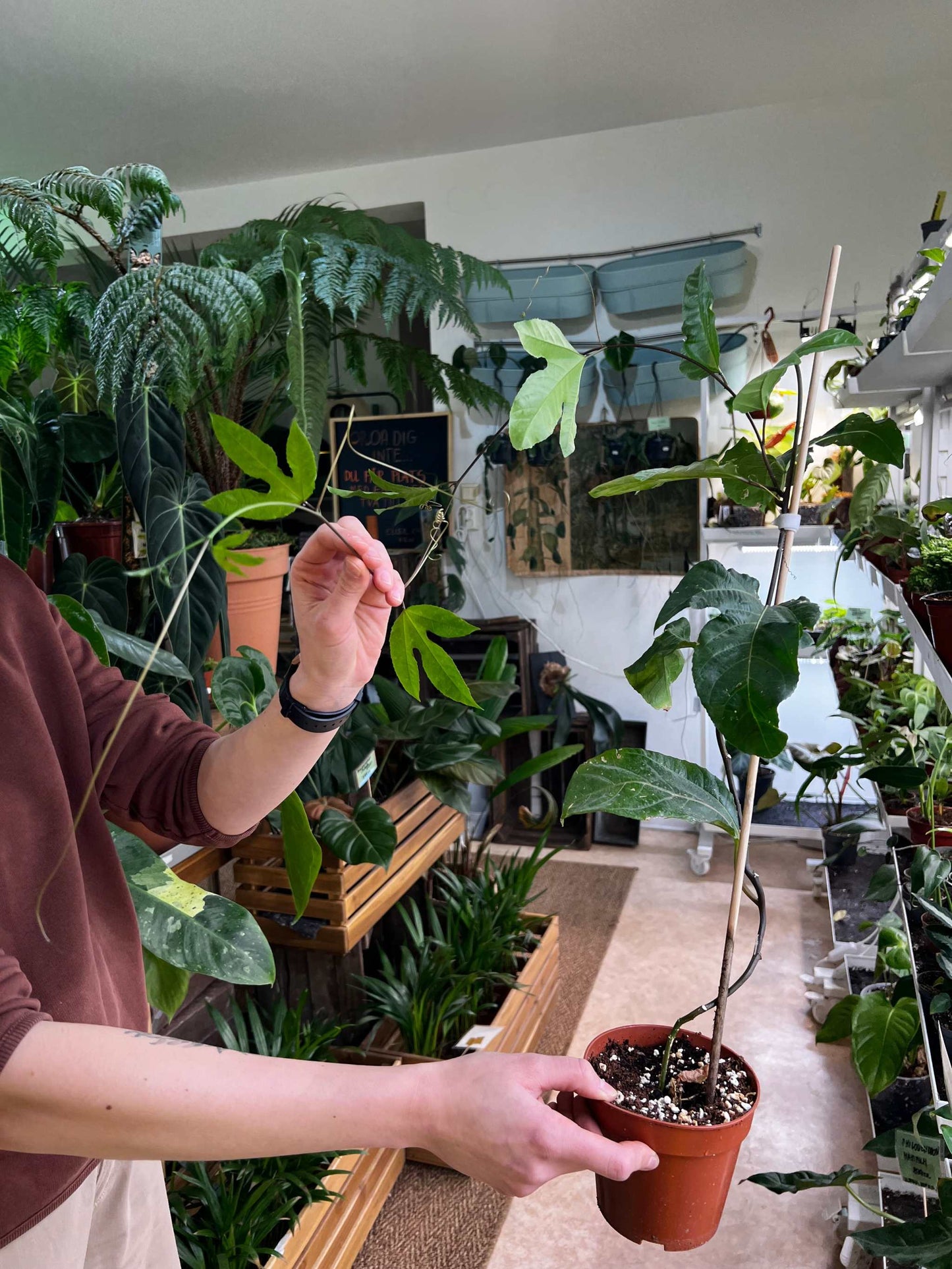
Provide the plant with a support or trellis to climb. Vines produce flowers on new growth, so they can be pruned as needed early in the growing season. For indoor growing, use a well-drained, peat-free soil mix. Pots need a support for the vine to grow on.
Fertilize with a balanced fertilizer (such as 10-10-10) every 4-6 weeks during the growing season. Organic alternatives such as worm castings are also effective.
Shipping Policy
Shipping Policy
When buying live plants, transport can sometimes affect the condition of the plant. We strive to ensure that all plants arrive in good health, but minor shipping damage, such as a torn leaf or bent stem, is sometimes unavoidable. Read more about our policy here.


Join the customer club
Earn points on purchases and through special actions. Spend your points on rewards including gift products & discounts
Learn more about your plants!
View all-

How to repot houseplants - Step by step
Repotting houseplants is the key to keeping your indoor plants healthy and happy. It's all about the right soil, the right size pot and a little patience. In our guide...
How to repot houseplants - Step by step
Repotting houseplants is the key to keeping your indoor plants healthy and happy. It's all about the right soil, the right size pot and a little patience. In our guide...
-
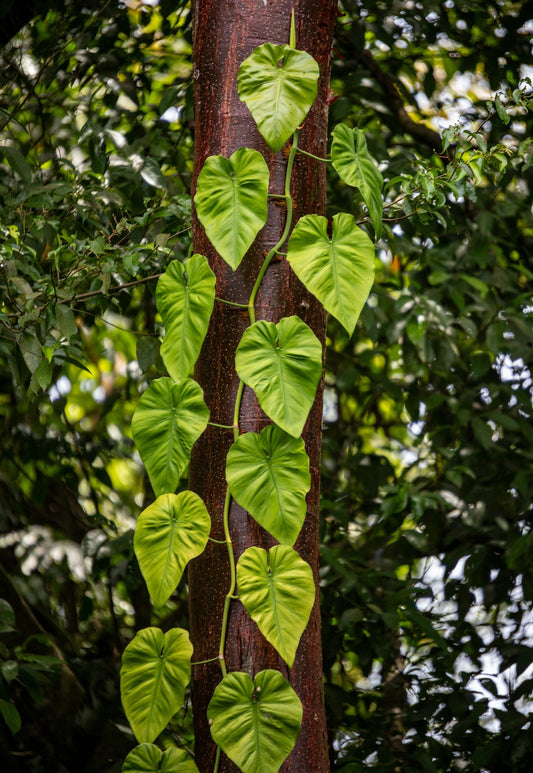
Indoor Climbing Plants | Complete Guide to Clim...
Indoor climbing plants bring life and movement to your home. They can hang freely from hanging baskets or climb up trellises. These green plants quickly transform windows and corners into...
Indoor Climbing Plants | Complete Guide to Clim...
Indoor climbing plants bring life and movement to your home. They can hang freely from hanging baskets or climb up trellises. These green plants quickly transform windows and corners into...
-

Propagate your Houseplants | Tips from the Expert
Is there anything more satisfying than watching a new plant grow from a cutting you made yourself? Plant propagation involves creating new plants from parts of your existing plants. It's...
Propagate your Houseplants | Tips from the Expert
Is there anything more satisfying than watching a new plant grow from a cutting you made yourself? Plant propagation involves creating new plants from parts of your existing plants. It's...

