



Ludisia discolor 'Jewel Orchid'
Ludisia discolor 'Jewel Orchid'
Couldn't load pickup availability


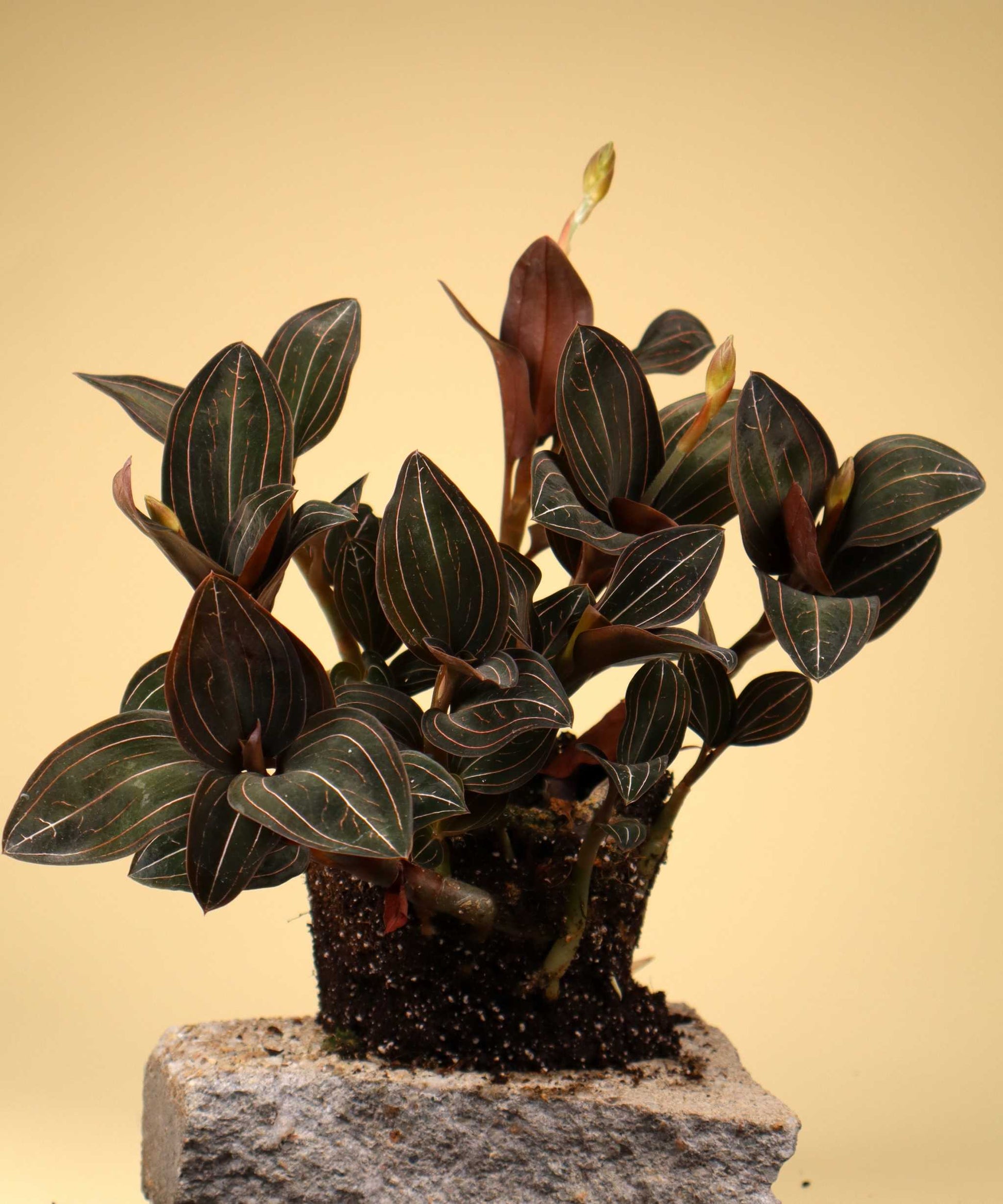
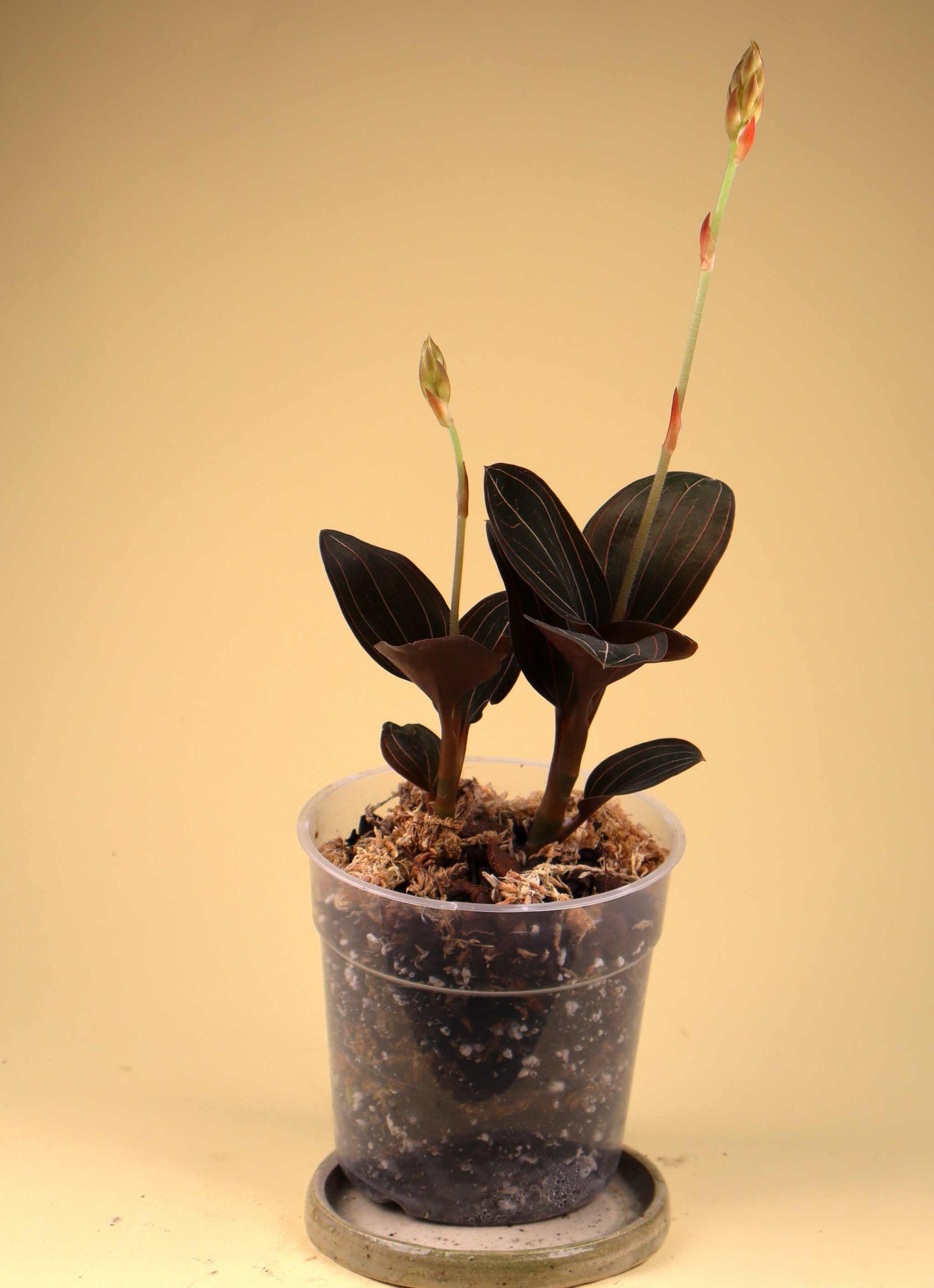
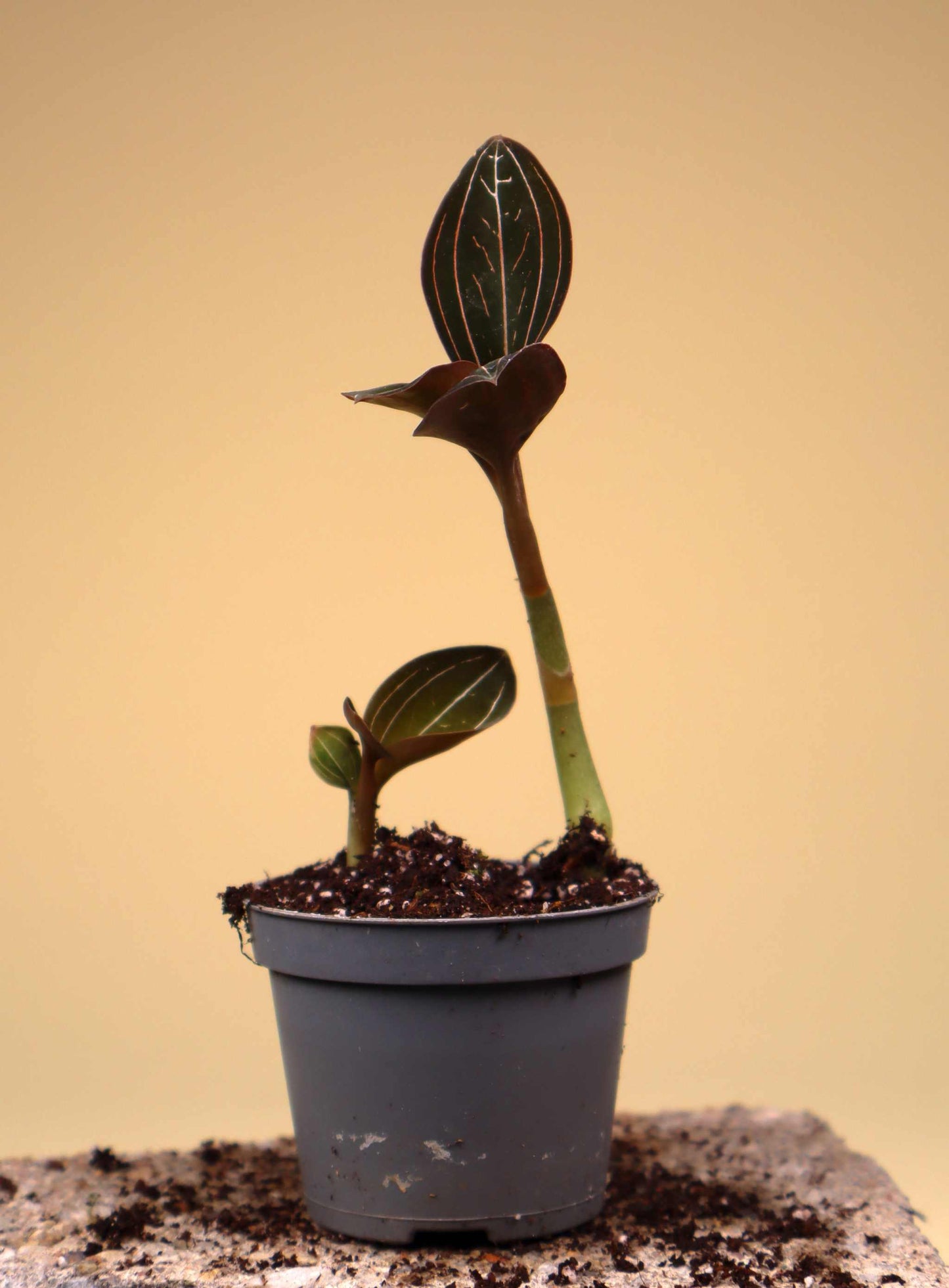
Ludisia discolor is called the "jewel orchid" and is the best-known species in its group.
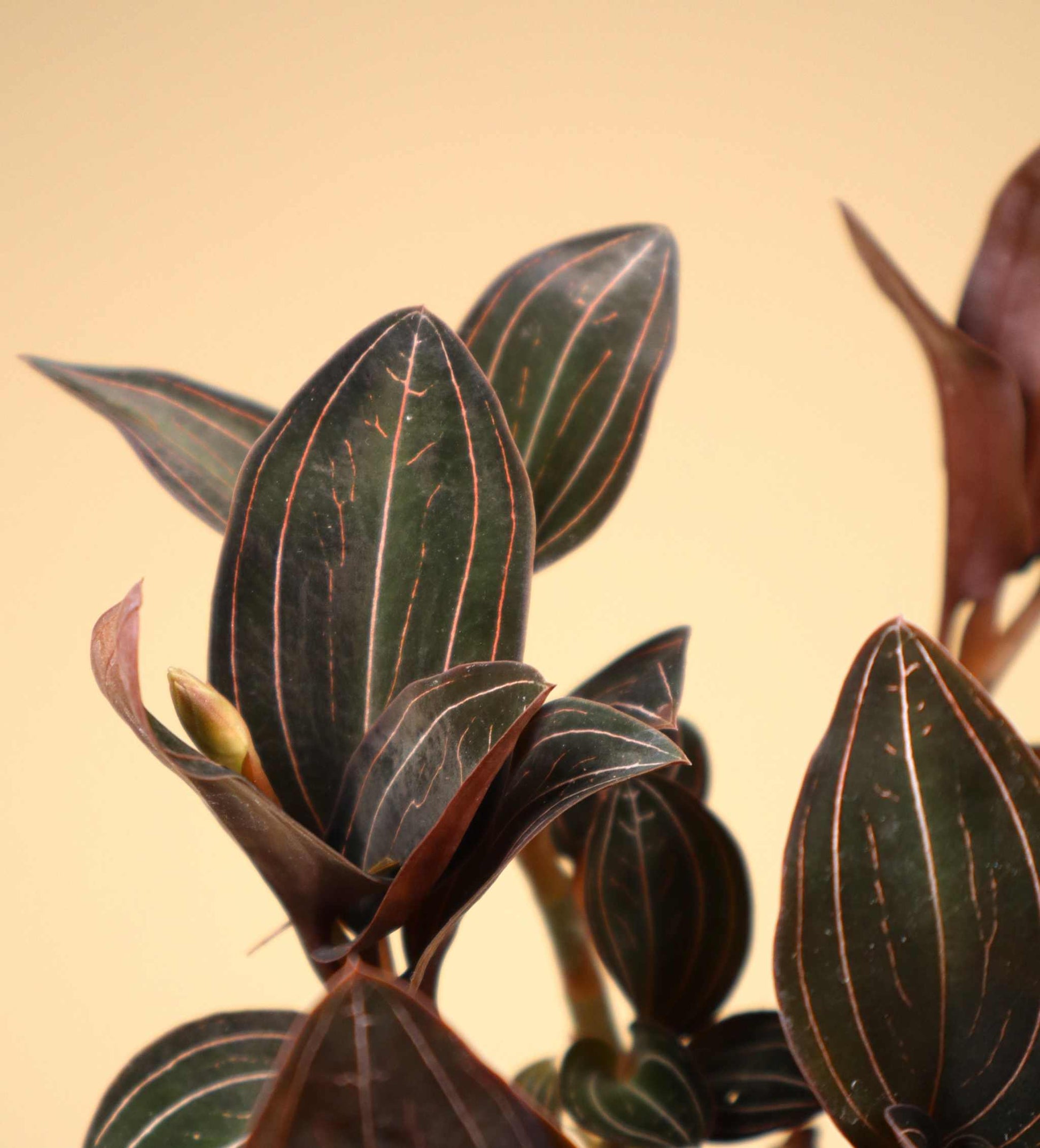
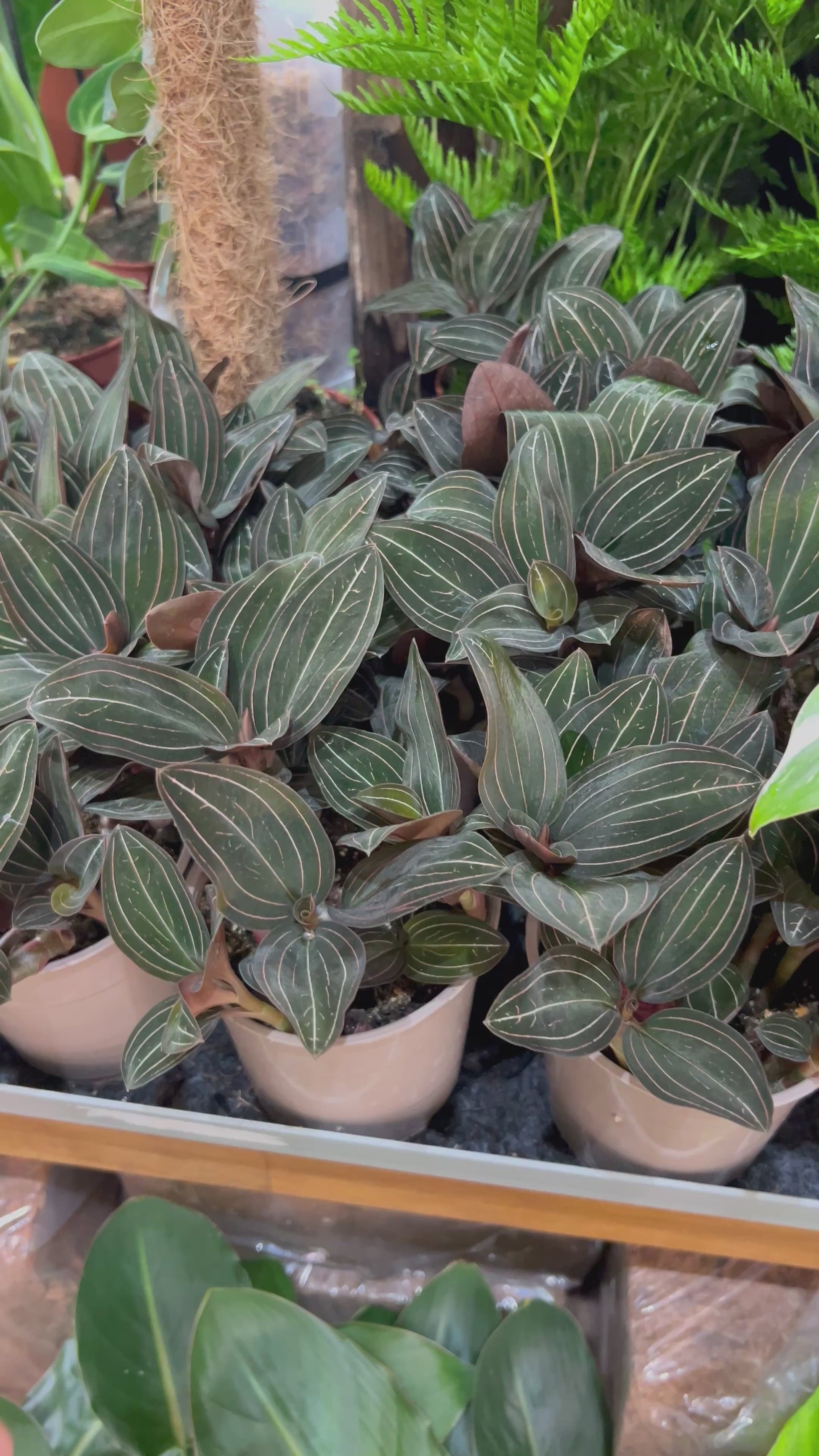
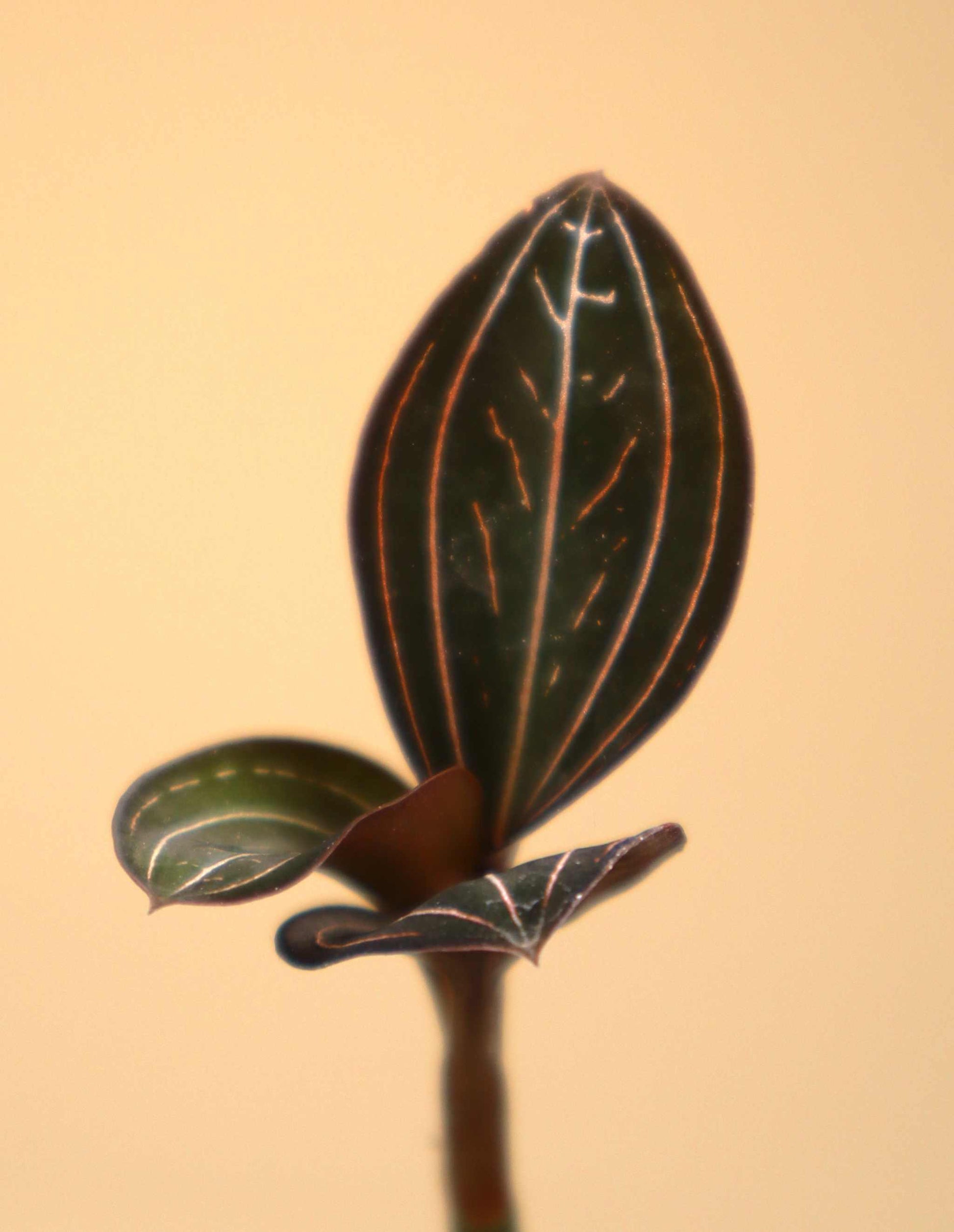
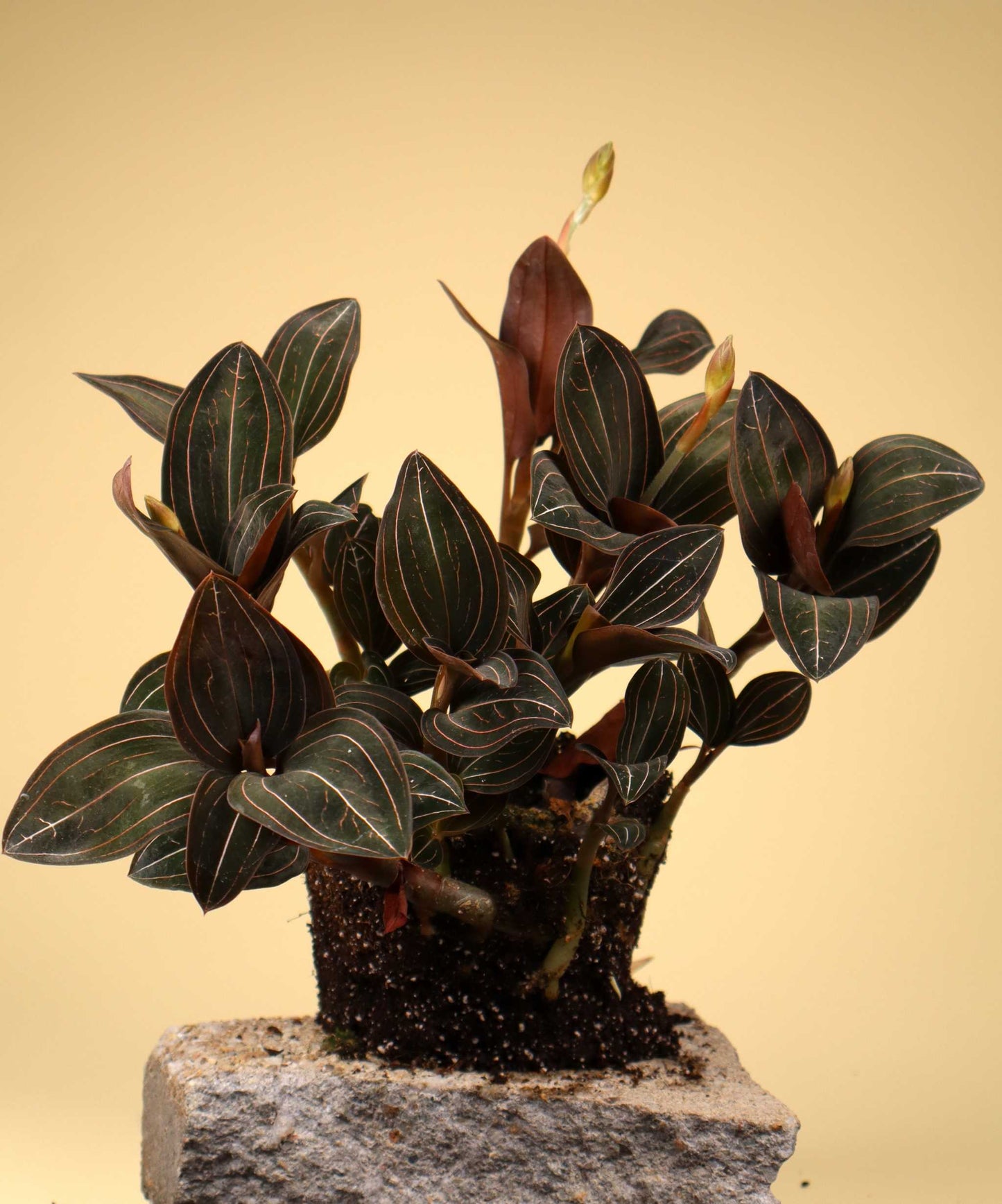
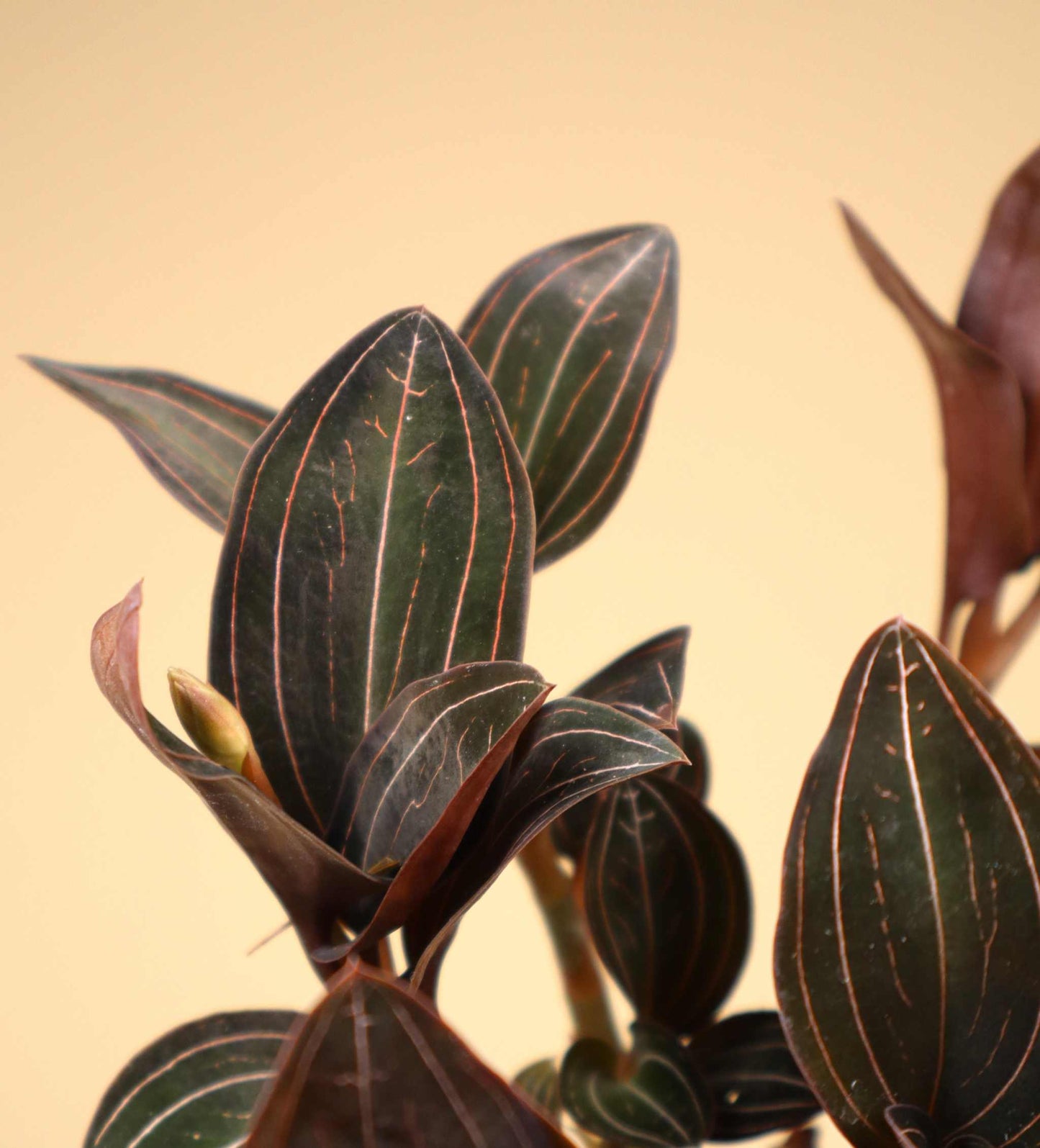
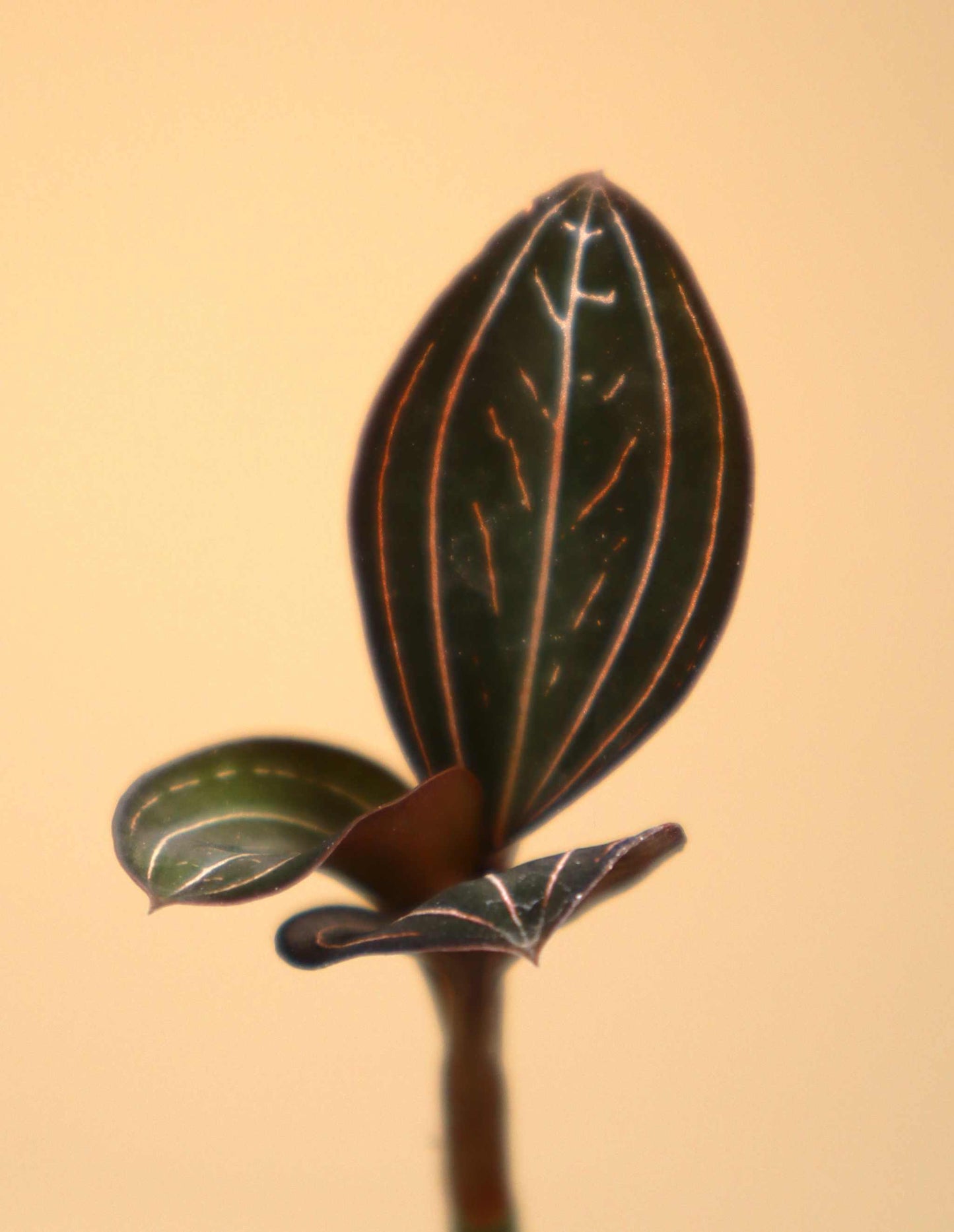
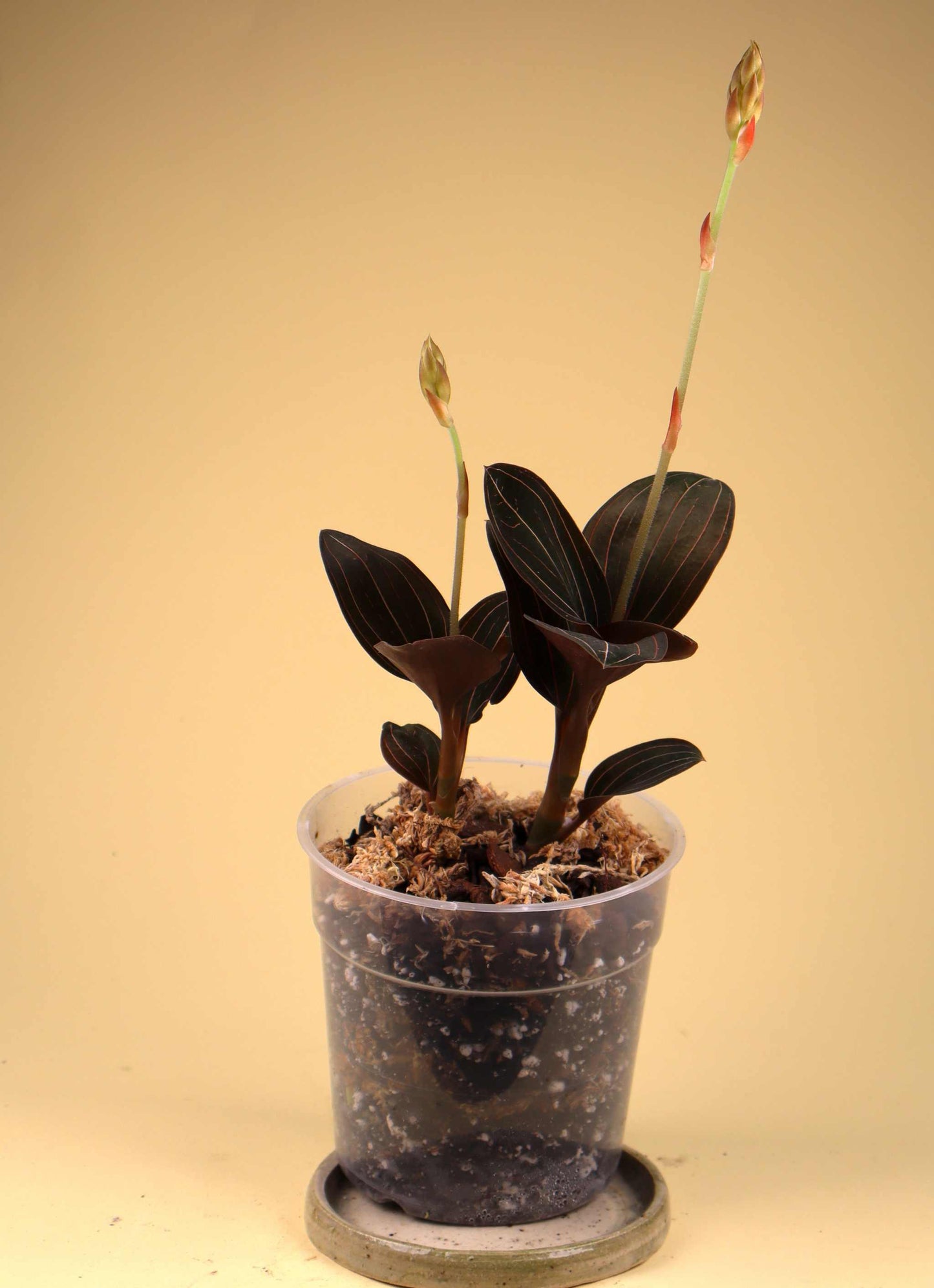
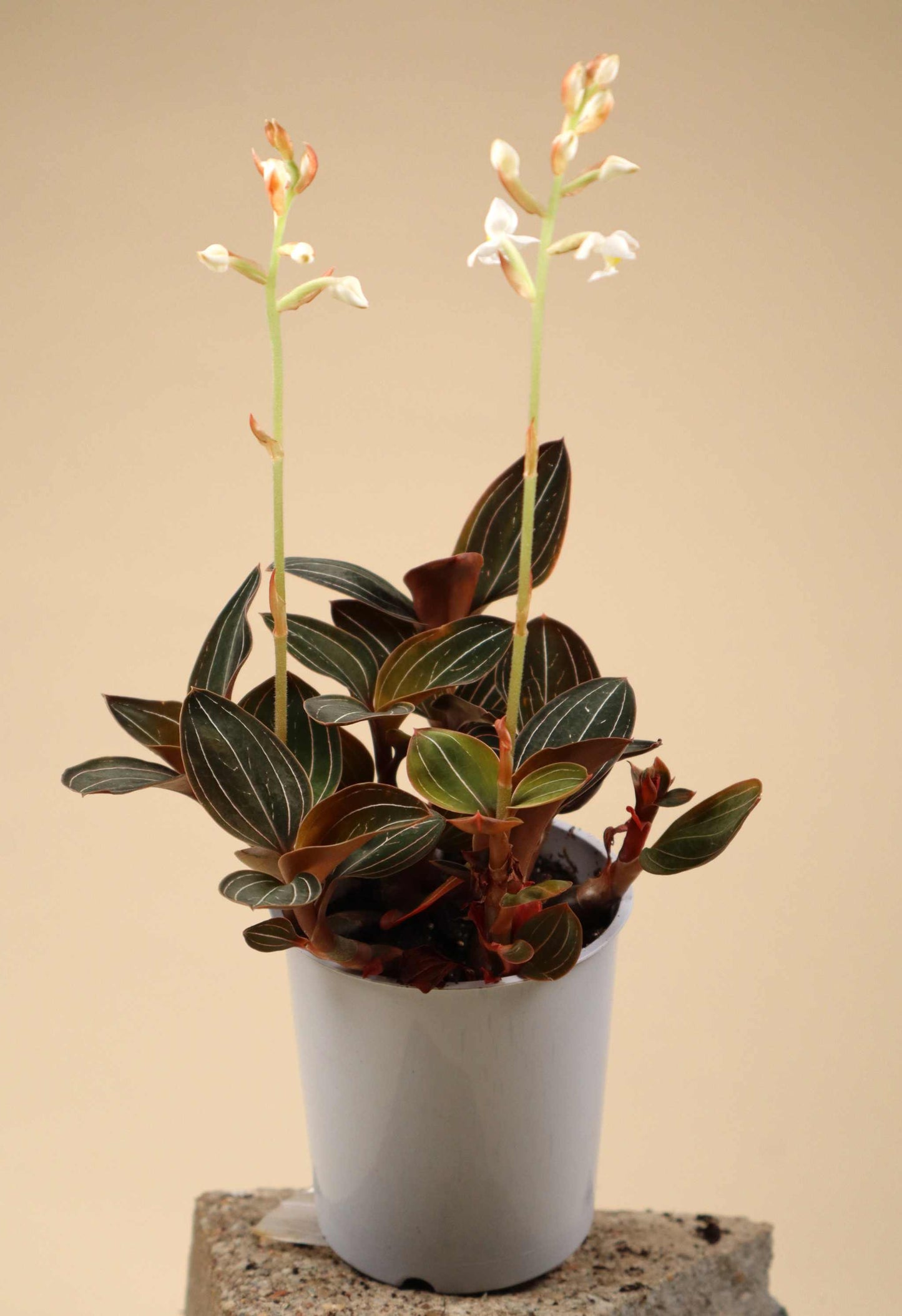
The plant only grows to about 10 cm tall without a flower stalk. The leaves are 5-9 cm long with a dark green, sometimes almost black base color and usually three pink to red longitudinal stripes. The colors come out best in low light and warm temperatures.
The leaves are spirally arranged on the stems. When the plant reaches a certain size, the inflorescence emerges from the center and can be 30 cm high. The flowers are small, white and discreet.
After flowering, the shoot slowly dies but develops many offshoots that grow to flowering size. In this way, dense mats are formed over time from a single plant, which looks fantastic in a terrarium.
Botanical description
Ludisia discolor comes from a large area stretching from southern China, through Sumatra to the Philippines. In nature, it grows in full shade, often directly on damp rocks where it crawls with its thick, fleshy rhizomes.

Care
Light : Needs little light and should never be placed in direct sunlight. Leaf color is better in low light, but the plant will grow more slowly.
Planting : Use a very loose substrate such as coconut chips . Do not bury the stems when replanting, just place them on top of the substrate. In a terrarium it can also be grown on rocks or similar surfaces that are kept slightly moist but not wet. Use a well-drained pot like our orchid pots.
Watering : Do not keep too moist and avoid water in the center of the shoot as it can cause rot.
Fertilization : Fertilize sparingly but regularly with a mild complete fertilizer such as orchid fertilizer. Give about every 1-2 weeks in ¼ to ½ concentration. Buy Ludisia discolor online!
Shipping Policy
Shipping Policy
When buying live plants, transport can sometimes affect the condition of the plant. We strive to ensure that all plants arrive in good health, but minor shipping damage, such as a torn leaf or bent stem, is sometimes unavoidable. Read more about our policy here.


Join the customer club
Earn points on purchases and through special actions. Spend your points on rewards including gift products & discounts
Learn more about your plants!
View all-

How to repot houseplants - Step by step
Repotting houseplants is the key to keeping your indoor plants healthy and happy. It's all about the right soil, the right size pot and a little patience. In our guide...
How to repot houseplants - Step by step
Repotting houseplants is the key to keeping your indoor plants healthy and happy. It's all about the right soil, the right size pot and a little patience. In our guide...
-
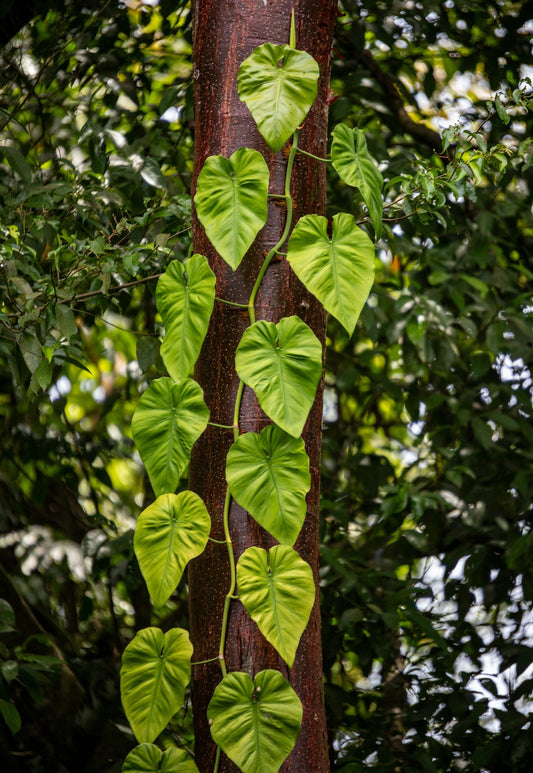
Indoor Climbing Plants | Complete Guide to Clim...
Indoor climbing plants bring life and movement to your home. They can hang freely from hanging baskets or climb up trellises. These green plants quickly transform windows and corners into...
Indoor Climbing Plants | Complete Guide to Clim...
Indoor climbing plants bring life and movement to your home. They can hang freely from hanging baskets or climb up trellises. These green plants quickly transform windows and corners into...
-

Propagate your Houseplants | Tips from the Expert
Is there anything more satisfying than watching a new plant grow from a cutting you made yourself? Plant propagation involves creating new plants from parts of your existing plants. It's...
Propagate your Houseplants | Tips from the Expert
Is there anything more satisfying than watching a new plant grow from a cutting you made yourself? Plant propagation involves creating new plants from parts of your existing plants. It's...

