


Hoya nabawanensis "splash"
Hoya nabawanensis "splash"
Couldn't load pickup availability


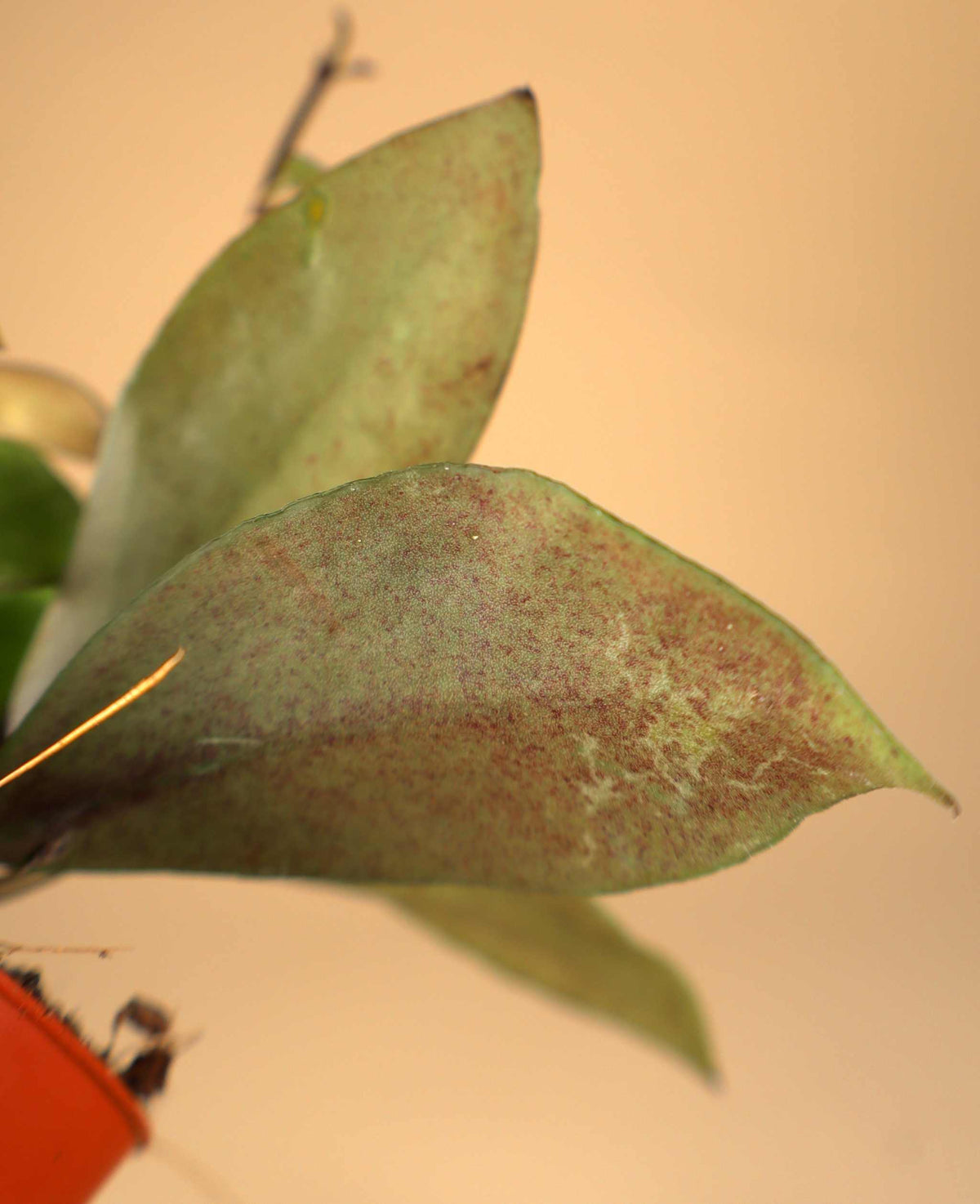
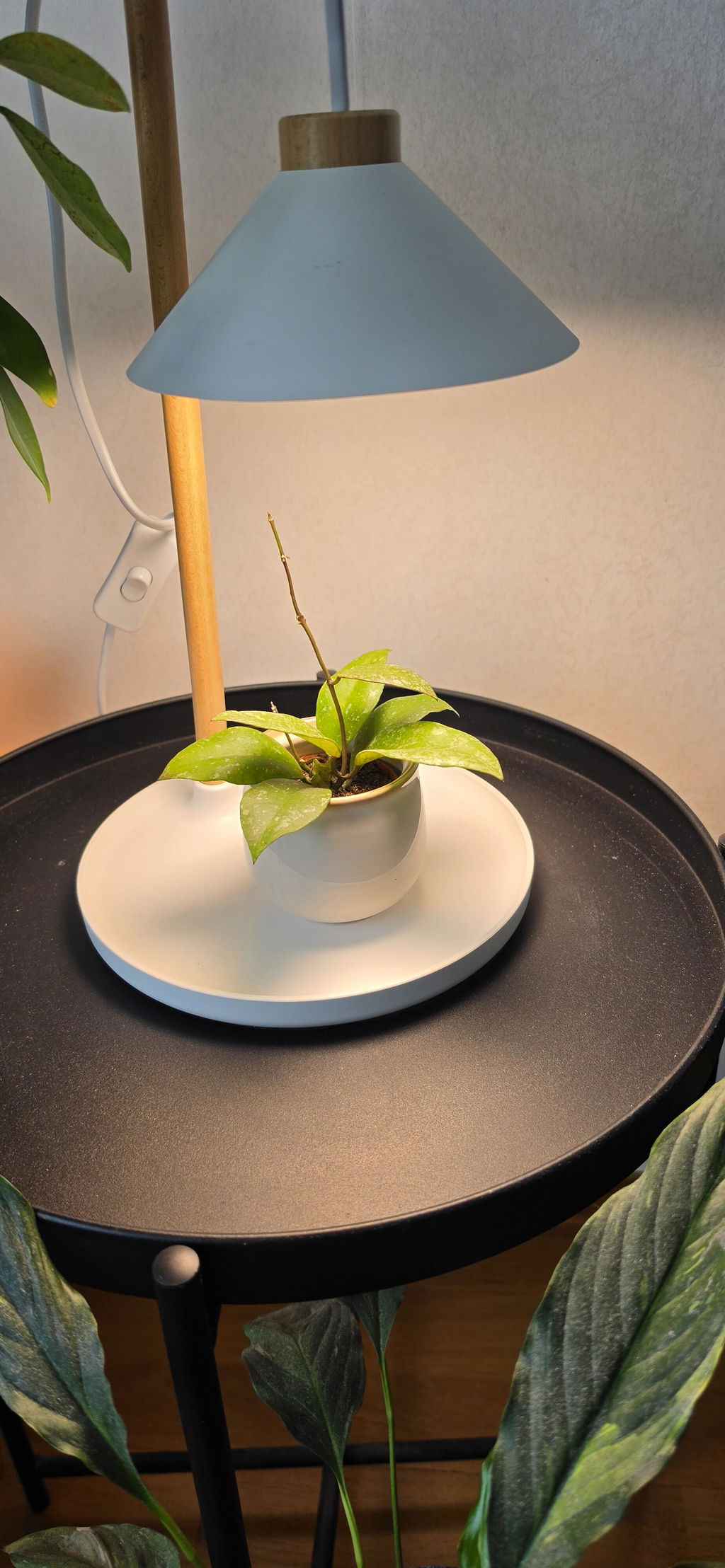
Bornean Hoya with Teardrop-shaped Silver-splashed Leaves and Fragrant Flowers
Hoya nabawanensis is native to Malaysia, specifically Sabah on Borneo. The species came to the attention of Dale Kloppenburg when samples were sent to him in June 2001, and he described it as a new species in 2002. It was first collected in Nabawan in Sabah, which also gave the plant its name.

In nature, it was found in mixed forest in a wet, humid area with low shrubs and low-growing vegetation with sphagnum moss on the ground.
This Malaysian plant has delightful teardrop-shaped leaves with subtle silver flecks. The inflorescence is a beautiful cluster of white or pink star-shaped flowers with a striking yellow center, resembling delicate wax creations. The surface of the flowers is covered in tiny hairs, giving them a fuzzy appearance and creating a unique texture. In addition to its visual beauty, it also has a delightful, sweet fragrance that fills the room.
Care
Thrives in bright, indirect light. Allow the substrate to dry slightly between waterings. Prefers high humidity and well-draining, airy soil – preferably with orchid bark, perlite, and coco coir.
Ideal temperature 18-26 degrees Celsius. Excellent for climbing supports or in hanging baskets. Buy Hoya nabawanensis "splash" online!
Shipping Policy
Shipping Policy
When buying live plants, transport can sometimes affect the condition of the plant. We strive to ensure that all plants arrive in good health, but minor shipping damage, such as a torn leaf or bent stem, is sometimes unavoidable. Read more about our policy here.



Join the customer club
Earn points on purchases and through special actions. Spend your points on rewards including gift products & discounts
Learn more about your plants!
View all-

How to repot houseplants - Step by step
Repotting houseplants is the key to keeping your indoor plants healthy and happy. It's all about the right soil, the right size pot and a little patience. In our guide...
How to repot houseplants - Step by step
Repotting houseplants is the key to keeping your indoor plants healthy and happy. It's all about the right soil, the right size pot and a little patience. In our guide...
-
Indoor Climbing Plants | Complete Guide to Clim...
Indoor climbing plants bring life and movement to your home. They can hang freely from hanging baskets or climb up trellises. These green plants quickly transform windows and corners into...
Indoor Climbing Plants | Complete Guide to Clim...
Indoor climbing plants bring life and movement to your home. They can hang freely from hanging baskets or climb up trellises. These green plants quickly transform windows and corners into...
-

Propagate your Houseplants | Tips from the Expert
Is there anything more satisfying than watching a new plant grow from a cutting you made yourself? Plant propagation involves creating new plants from parts of your existing plants. It's...
Propagate your Houseplants | Tips from the Expert
Is there anything more satisfying than watching a new plant grow from a cutting you made yourself? Plant propagation involves creating new plants from parts of your existing plants. It's...

