


Hemionitis arifolia (heart fern)
Hemionitis arifolia (heart fern)
Couldn't load pickup availability
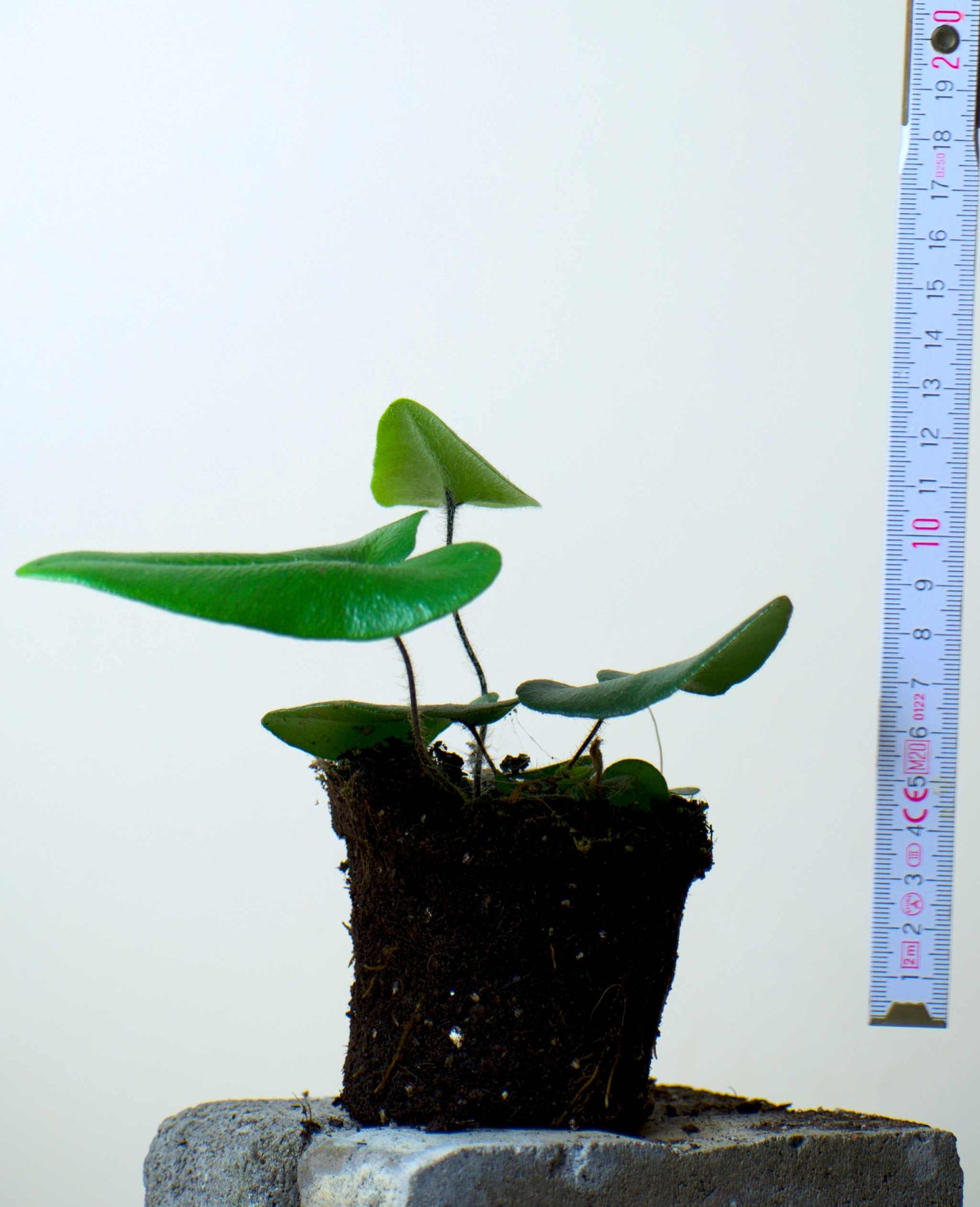
Heart fern, an unusual and very cute little fern.
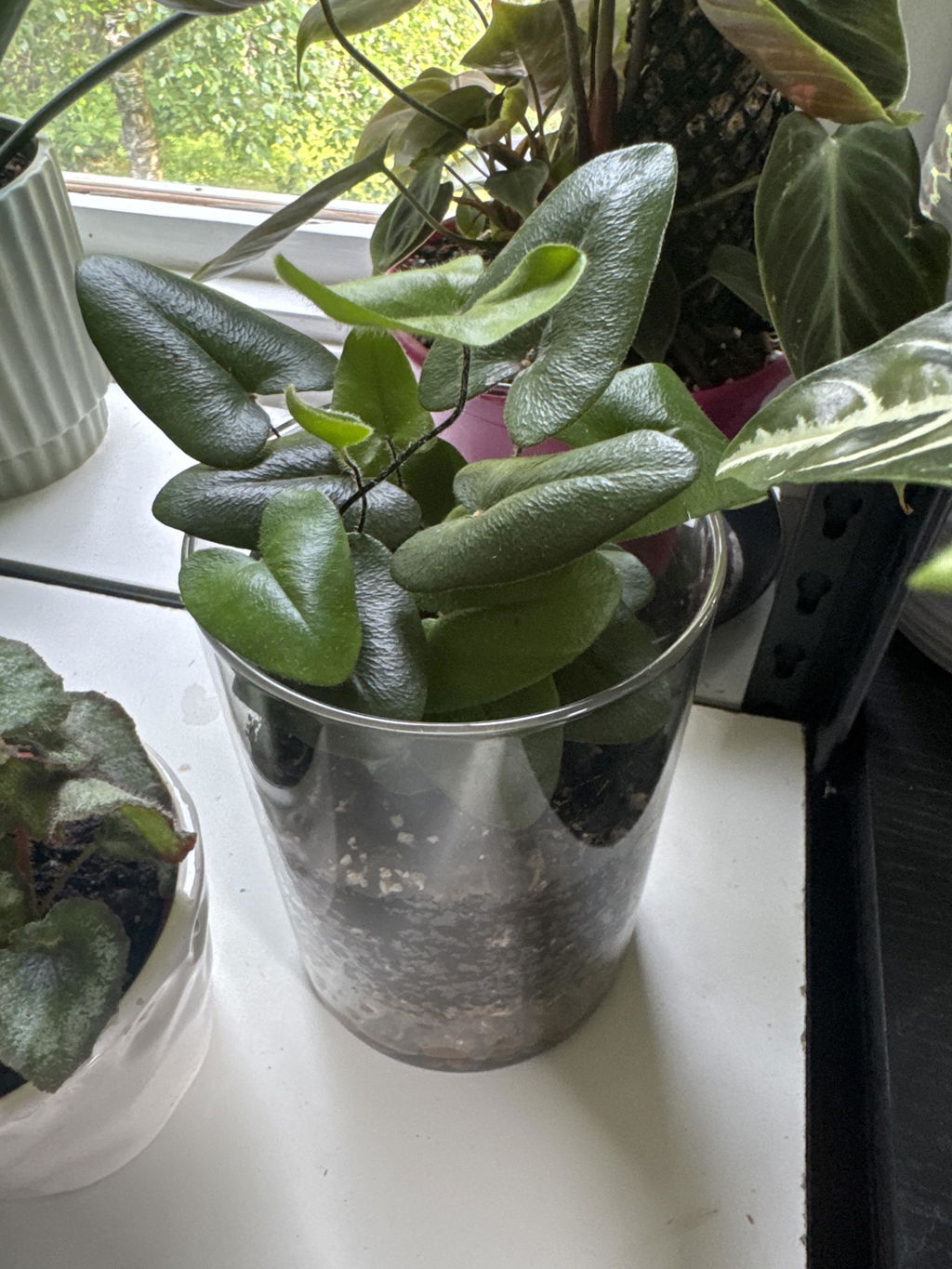
Heart fern, also known as Hemionitis arifolia, is characterized by small, delicate heart-shaped leaves. It is a fern with a rather peculiar habit of growing on top of other plants in rainforests. Therefore, it needs a little different care than 'regular' ferns.
Care.
Keep the soil slightly moist and place it in a location with as high humidity as possible and bright, indirect light. The substrate should be well-drained, as this fern often grows as an epiphyte in nature. Overwatering is therefore not tolerated.
Morning or evening sun can be tolerated if the humidity is high enough, but should generally be avoided during the summer! Bathrooms, plant cabinets or terrariums are therefore the best options for caring for this plant.
Botanical description.
Heart fern (Mickelopteris cordata) is often called Hemionitis arifolia, but this is actually a synonym. The species has had a rather messy taxonomic history, but since 2020 it has finally been given its own, independent name, Mickelopteris cordata.

Appearance.
This very beautiful fern is characterized by its heart-shaped leaves, which are covered with dark hairs. The leaves grow on long black-brown stems. In addition, it is dimorphic (two-dimensional) and, at a certain size, forms not only its trophophylls for photosynthesis but also sporophylls for spore reproduction, which are characterized, among other things, by significantly longer stems. In its preferred habitats in Southeast Asia, it grows both epiphytically and terrestrially in loose substrates.
Shipping Policy
Shipping Policy
When buying live plants, transport can sometimes affect the condition of the plant. We strive to ensure that all plants arrive in good health, but minor shipping damage, such as a torn leaf or bent stem, is sometimes unavoidable. Read more about our policy here.



Join the customer club
Earn points on purchases and through special actions. Spend your points on rewards including gift products & discounts
Learn more about your plants!
View all-

How to repot houseplants - Step by step
Repotting houseplants is the key to keeping your indoor plants healthy and happy. It's all about the right soil, the right size pot and a little patience. In our guide...
How to repot houseplants - Step by step
Repotting houseplants is the key to keeping your indoor plants healthy and happy. It's all about the right soil, the right size pot and a little patience. In our guide...
-
Indoor Climbing Plants | Complete Guide to Clim...
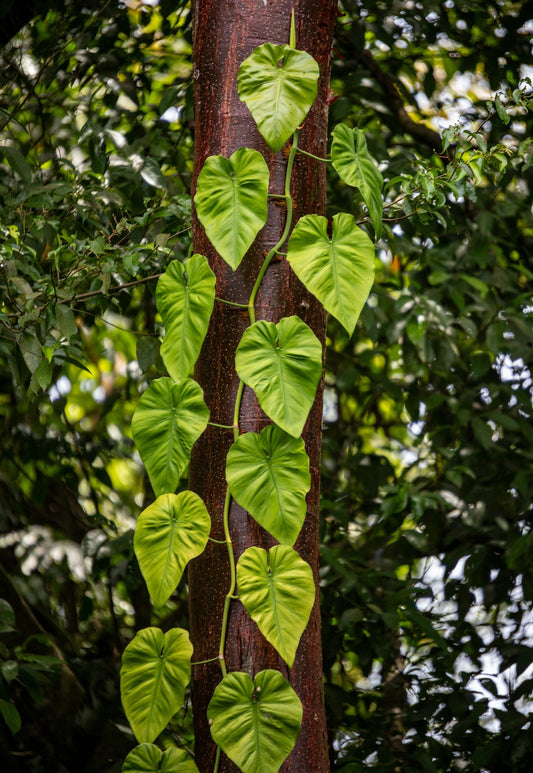
Indoor climbing plants bring life and movement to your home. They can hang freely from hanging baskets or climb up trellises. These green plants quickly transform windows and corners into...
Indoor Climbing Plants | Complete Guide to Clim...
Indoor climbing plants bring life and movement to your home. They can hang freely from hanging baskets or climb up trellises. These green plants quickly transform windows and corners into...
-

Propagate your Houseplants | Tips from the Expert
Is there anything more satisfying than watching a new plant grow from a cutting you made yourself? Plant propagation involves creating new plants from parts of your existing plants. It's...
Propagate your Houseplants | Tips from the Expert
Is there anything more satisfying than watching a new plant grow from a cutting you made yourself? Plant propagation involves creating new plants from parts of your existing plants. It's...

