


Dionaea muscipula 'Venus Flytrap'
Dionaea muscipula 'Venus Flytrap'
Couldn't load pickup availability


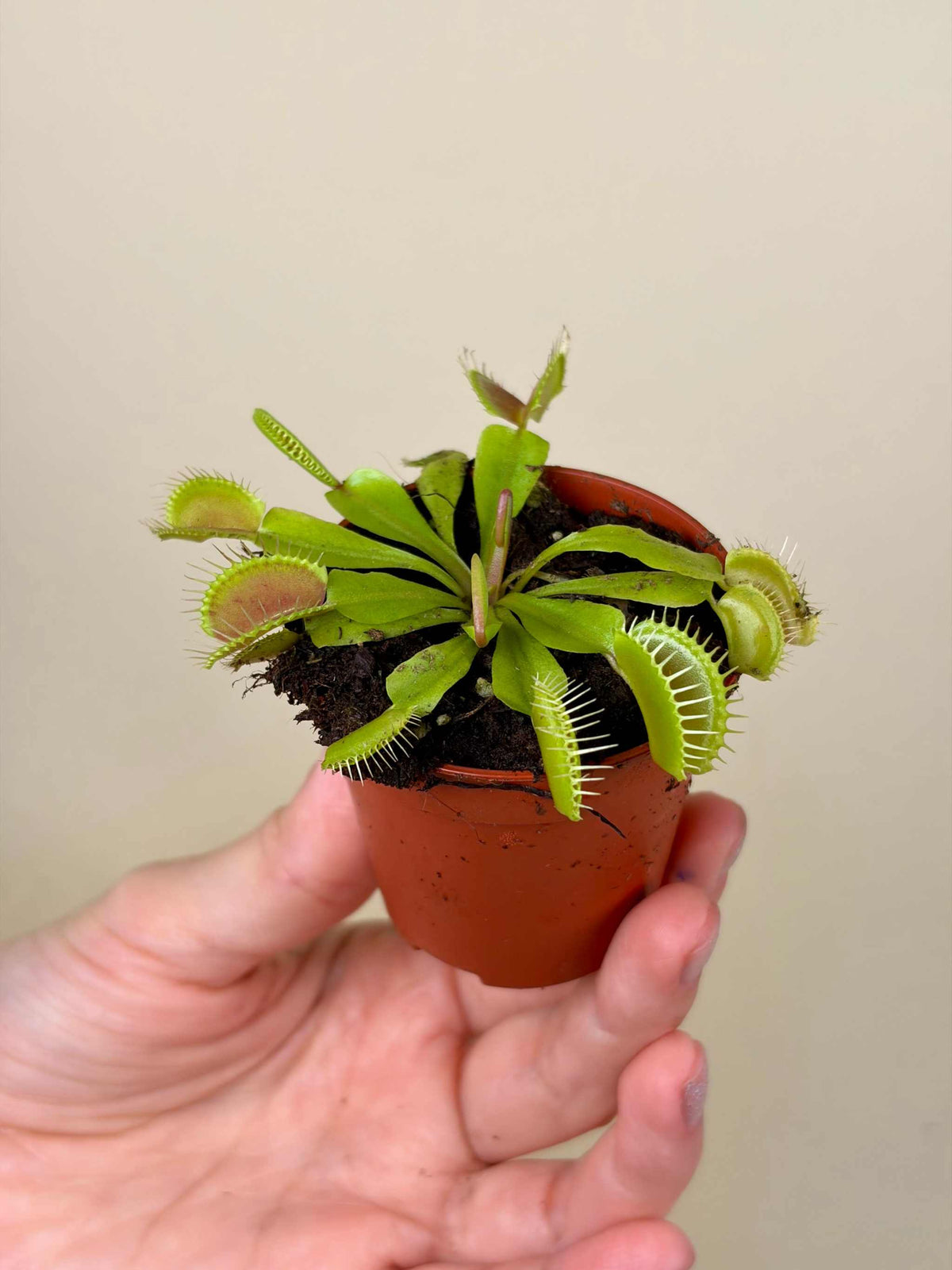
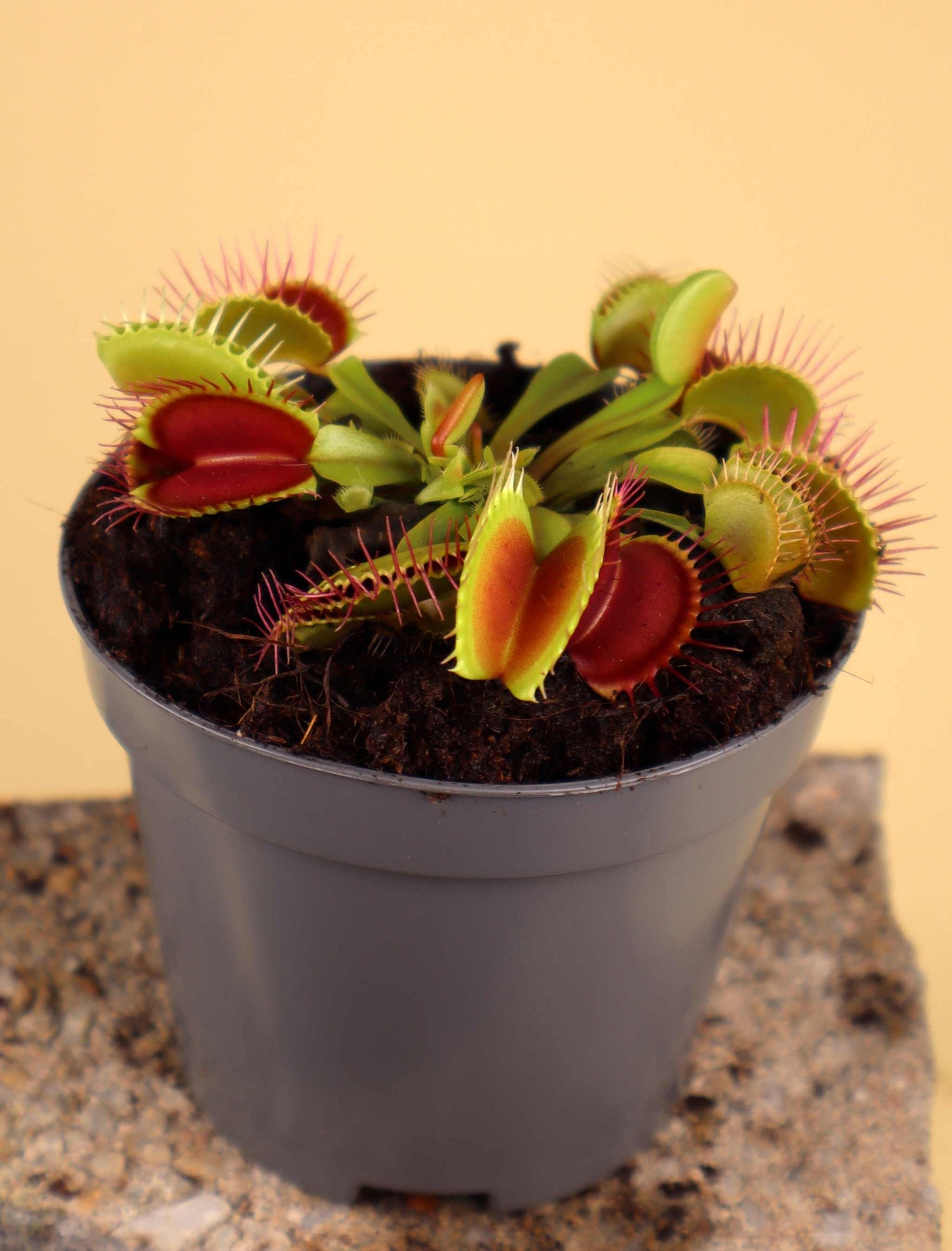
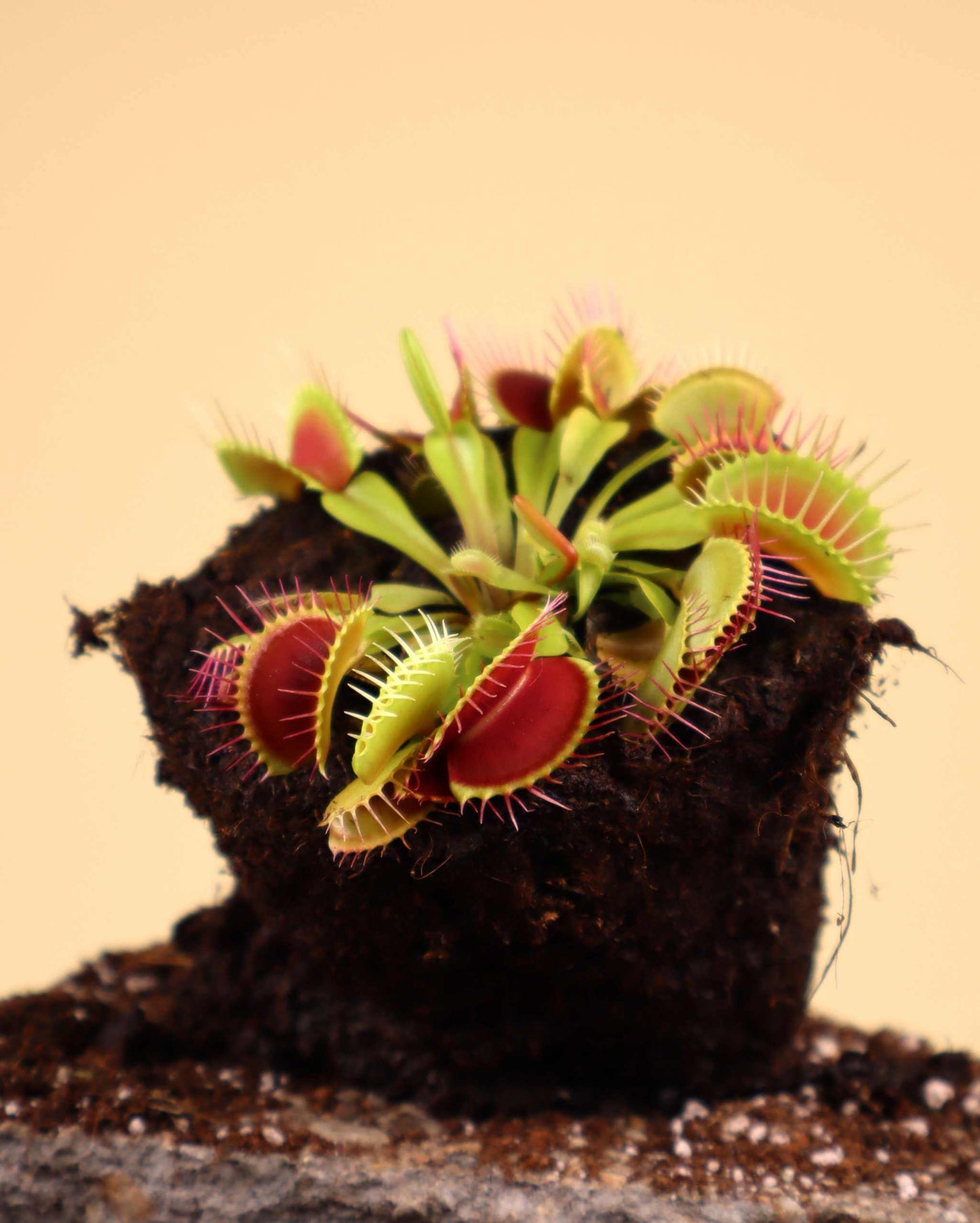
The Venus flytrap is the world's most famous carnivorous plant
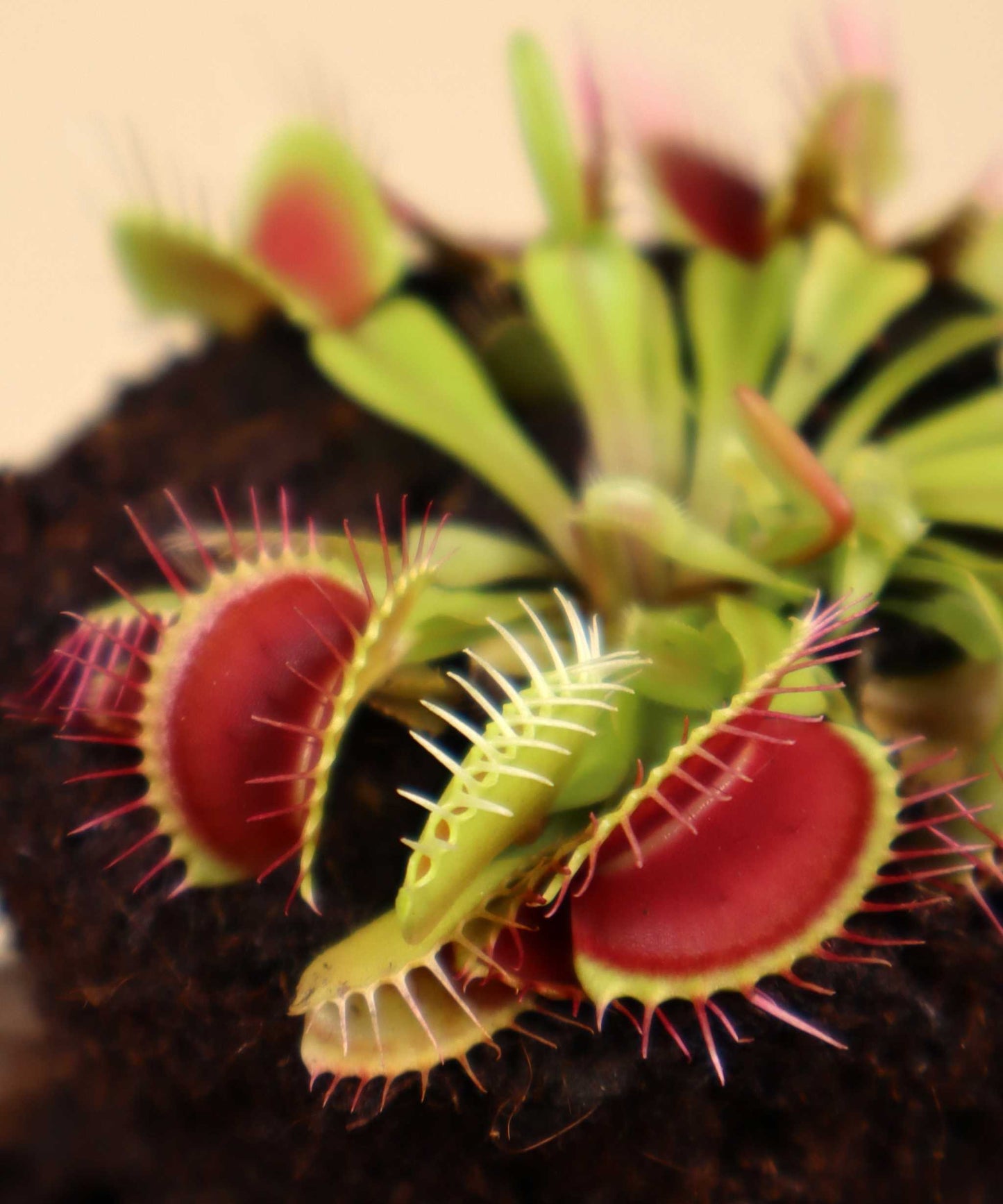
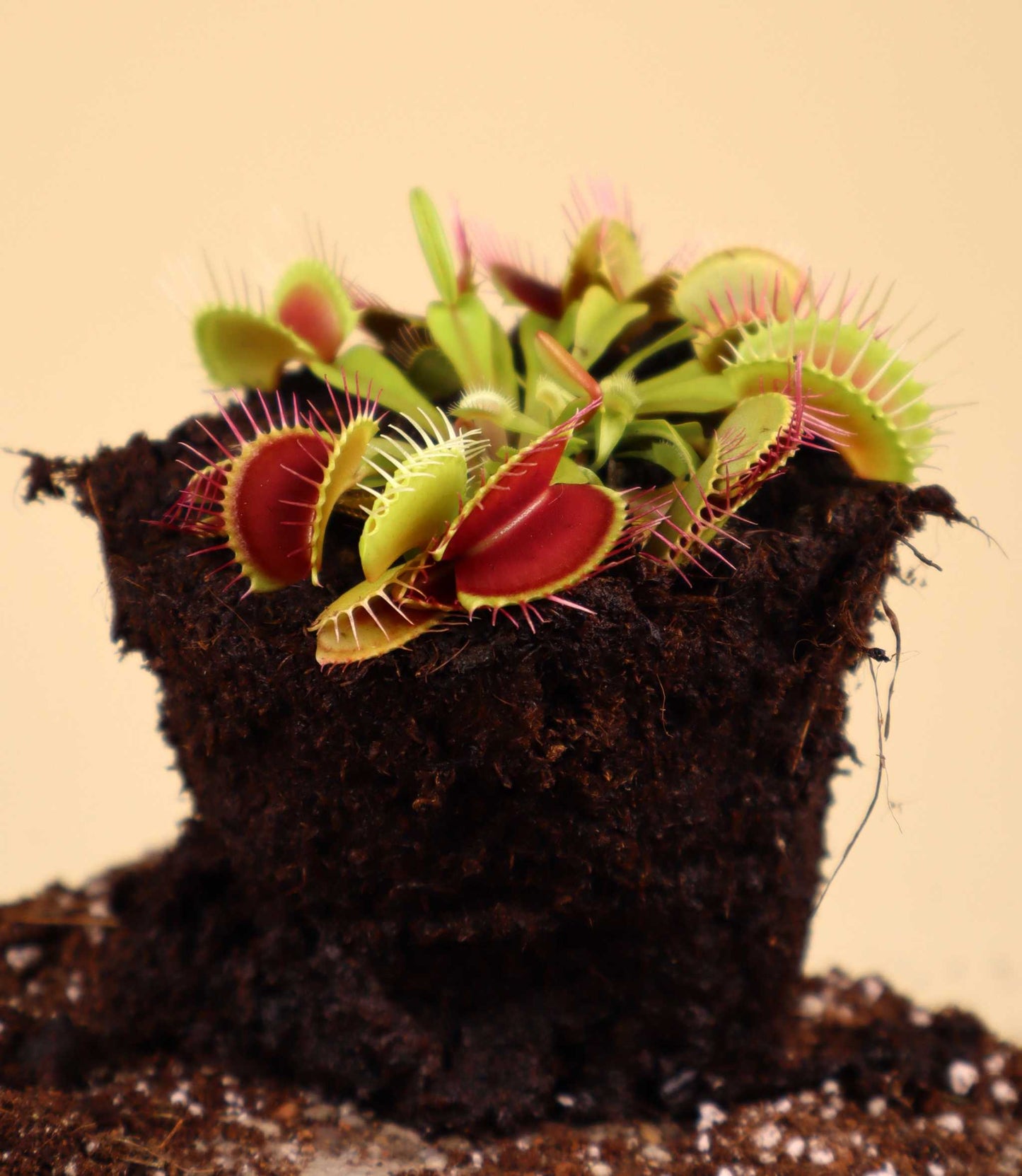
This fascinating plant has developed a unique mechanism where its leaves are divided into two halves that snap shut quickly when prey touches the sensitive trigger hairs on the inside.
Each trap has distinct red areas inside that attract insects, and when two trigger hairs are touched within 20 seconds, the trap snaps shut in less than a second. If the prey continues to move, the edges seal, and digestive enzymes are produced, much like a 'plant stomach'.
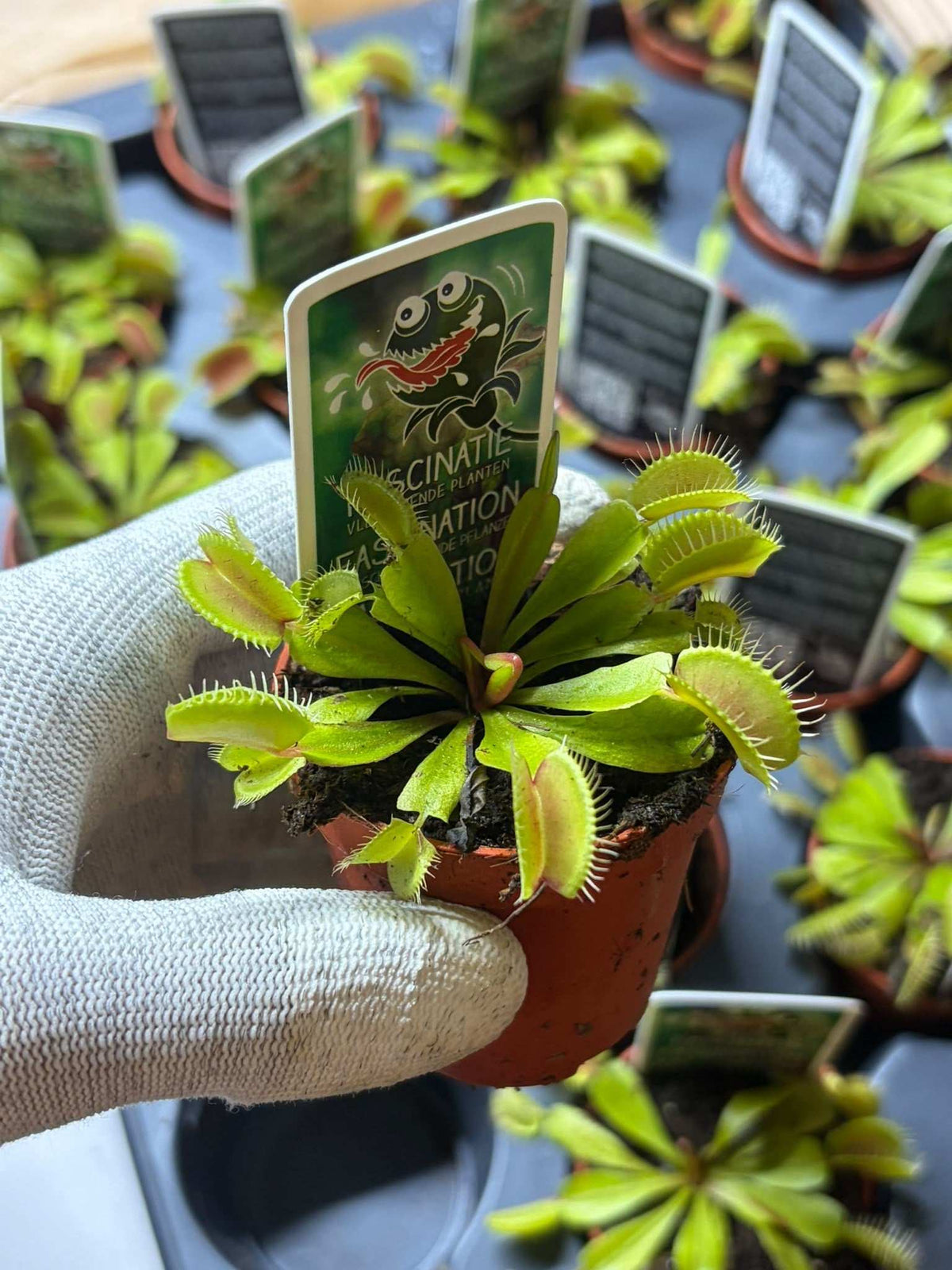
The plant forms a rosette of 4-20 leaves that grow from an underground stem. During the summer, it can produce white flowers on long stalks that extend above the traps. These flowers should be pruned in early spring, otherwise, the flytrap will expend a lot of energy producing seeds.
Botanical description
Dionaea muscipula belongs to the Droseraceae family (sundews) but has developed a completely unique trapping mechanism compared to its relatives. The species is endemic to a very small area on the east coast of the USA, mainly the wetlands around Wilmington, North Carolina.

In nature, the Venus flytrap grows in nutrient-poor, acidic wetlands and peat bogs where it compensates for the low nutrient availability in the soil by catching and digesting insects. This provides the plant with extra nitrogen and phosphorus needed for growth.
The species has evolved from other sundew plants but has lost its sticky tentacles in favor of the spectacular folding mechanism. Each trap can only close a limited number of times before it dies and is replaced by new traps.
Care
The Venus flytrap requires special conditions to thrive. Keep the soil constantly moist by placing the pot in a saucer with water.
Place the plant in full sun or a very bright location. It needs at least 4-6 hours of direct sunlight per day to develop its red traps and stay healthy. During winter, the plant needs a dormancy period with cooler temperatures (2-8°C) for 3-4 months. The flytrap is hardy down to -5 degrees.
Use nutrient-poor soil such as sphagnum moss mixed with perlite or sand. Never fertilize the plant with regular plant fertilizer as this will damage the roots. The Venus flytrap gets all the nutrients it needs from the insects it catches.
Let the plant catch its own prey naturally or feed it sparingly with live flies or ants. Do not feed more than 1-2 traps per month and never use meat or regular food. Buy the carnivorous plant Venus flytrap online!
Shipping Policy
Shipping Policy
When buying live plants, transport can sometimes affect the condition of the plant. We strive to ensure that all plants arrive in good health, but minor shipping damage, such as a torn leaf or bent stem, is sometimes unavoidable. Read more about our policy here.



Join the customer club
Earn points on purchases and through special actions. Spend your points on rewards including gift products & discounts
Learn more about your plants!
View all-

How to repot houseplants - Step by step
Repotting houseplants is the key to keeping your indoor plants healthy and happy. It's all about the right soil, the right size pot and a little patience. In our guide...
How to repot houseplants - Step by step
Repotting houseplants is the key to keeping your indoor plants healthy and happy. It's all about the right soil, the right size pot and a little patience. In our guide...
-
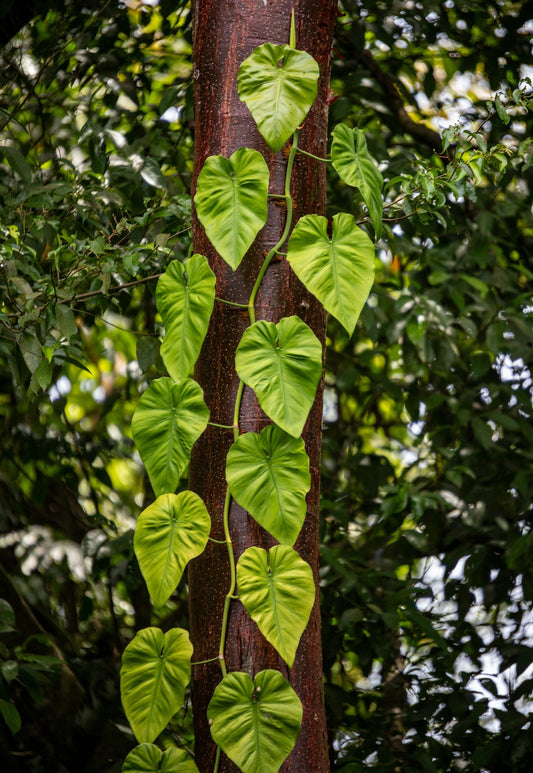
Indoor Climbing Plants | Complete Guide to Clim...
Indoor climbing plants bring life and movement to your home. They can hang freely from hanging baskets or climb up trellises. These green plants quickly transform windows and corners into...
Indoor Climbing Plants | Complete Guide to Clim...
Indoor climbing plants bring life and movement to your home. They can hang freely from hanging baskets or climb up trellises. These green plants quickly transform windows and corners into...
-

Propagate your Houseplants | Tips from the Expert
Is there anything more satisfying than watching a new plant grow from a cutting you made yourself? Plant propagation involves creating new plants from parts of your existing plants. It's...
Propagate your Houseplants | Tips from the Expert
Is there anything more satisfying than watching a new plant grow from a cutting you made yourself? Plant propagation involves creating new plants from parts of your existing plants. It's...

