
Banana plant Giant Cavendish 'GAL'
Couldn't load pickup availability
We clean up after ourselves.
Ecommerce deliveries have a carbon footprint. That's why we support verified projects that remove carbon from the air.
Every delivery’s carbon footprint is calculated based on weight, shipping method, and distance traveled. We neutralize these emissions by purchasing verified carbon removal credits from groundbreaking projects.
With your purchase, you’ll join a community of proactive merchants and customers dedicated to a sustainable future. Together, we've removed emissions for over 75 million deliveries and removed over 53 thousand tonnes of carbon.
We work with a network of pioneering carbon removal companies that have been vetted by the commerce platform Shopify.
'GAL' is an Israeli variant of the Giant Cavendish (Williams) banana cultivar that combines similar size to 'Grand Naine' with increased resistance to Panama disease.
This cultivar has been developed through selection with a focus on higher bunch weight, which has resulted in a robust, large and productive banana plant.
The Giant Cavendish banana produces large, oblong leaves. The leaves often become torn or broken at the ends as a result of mechanical stress such as wind, which is natural for banana plants. 'GAL' produces large inflorescences that develop into edible fruits within 2-3 years.
The number of clusters harvested is similar to that of 'Grand Naine'. The cultivar has been developed over the years with continuous selection rounds that focused primarily on resistance to Panama disease, while maintaining its productivity.
Botanical description
Musa 'GAL' belongs to the Cavendish group of banana cultivars and is specifically derived from the Giant Cavendish cultivar 'Williams'.
'GAL' is usually indistinguishable from other Cavendish cultivars without growing the plants side by side and comparing their heights. The current clone of 'GAL' has been developed over time through selection that has focused on higher bunch weight rather than plant height.
An important characteristic of 'GAL' is its improved resistance to Panama disease (Fusarium wilt), a fungal disease that has decimated banana crops worldwide. This makes 'GAL' a more sustainable alternative in areas where the disease is a problem.
Care
Musa 'GAL' thrives best in full sun with at least 6-8 hours of direct sunlight daily. Place the plant in a bright and warm place where it gets plenty of light, or purchase a grow light.
Water thoroughly and regularly during the growing season. Banana plants need a lot of water to develop their large leaves and fruits. Keep the soil evenly moist but ensure it has good drainage.
Use nutrient-rich, well-drained soil . Banana plants are heavy feeders and need regular fertilization during the growing season. Fertilize with a balanced fertilizer rich in potassium every week to every other week.
Protect from strong winds that can tear the leaves. Although torn leaves are natural for banana plants, they thrive best with some wind protection.
Temperatures above 15°C are necessary for good growth. In Sweden, banana plants are best grown in greenhouses or as potted plants that can be moved indoors over the winter. Under optimal conditions, the plant can produce edible bananas after 2-3 years.
Shipping Policy
Shipping Policy
When buying live plants, transport can sometimes affect the condition of the plant. We strive to ensure that all plants arrive in good health, but minor shipping damage, such as a torn leaf or bent stem, is sometimes unavoidable. Read more about our policy here.
Share

Reviews in Other Languages
Join the customer club
Earn points on purchases and through special actions. Spend your points on rewards including gift products & discounts
Learn more about your plants!
View all-
How to repot houseplants - Step by step
Repotting houseplants is the key to keeping your indoor plants healthy and happy. It's all about the right soil, the right size pot and a little patience. In our guide...
How to repot houseplants - Step by step
Repotting houseplants is the key to keeping your indoor plants healthy and happy. It's all about the right soil, the right size pot and a little patience. In our guide...
-
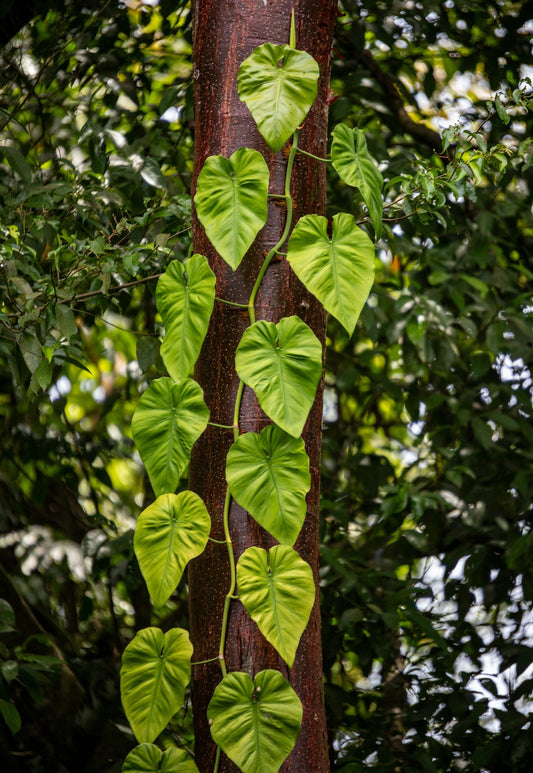
Indoor Climbing Plants | Complete Guide to Clim...
Indoor climbing plants bring life and movement to your home. They can hang freely from hanging baskets or climb up trellises. These green plants quickly transform windows and corners into...
Indoor Climbing Plants | Complete Guide to Clim...
Indoor climbing plants bring life and movement to your home. They can hang freely from hanging baskets or climb up trellises. These green plants quickly transform windows and corners into...
-
Propagate your Houseplants | Tips from the Expert
Is there anything more satisfying than watching a new plant grow from a cutting you made yourself? Plant propagation involves creating new plants from parts of your existing plants. It's...
Propagate your Houseplants | Tips from the Expert
Is there anything more satisfying than watching a new plant grow from a cutting you made yourself? Plant propagation involves creating new plants from parts of your existing plants. It's...