


Anthurium wendlingeri
Anthurium wendlingeri
Couldn't load pickup availability


An unusual 'strap leaf' anthurium with corkscrewed inflorescences
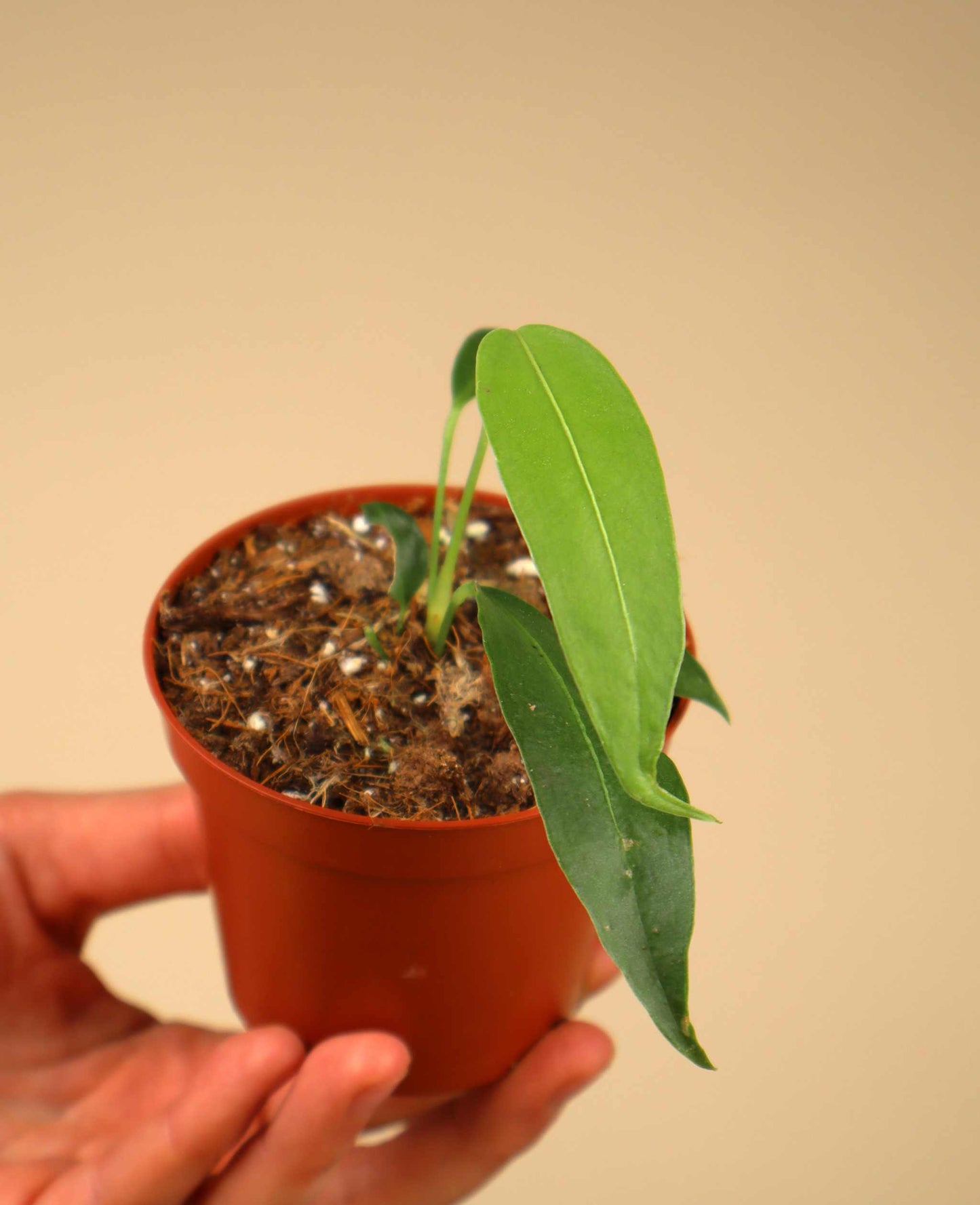
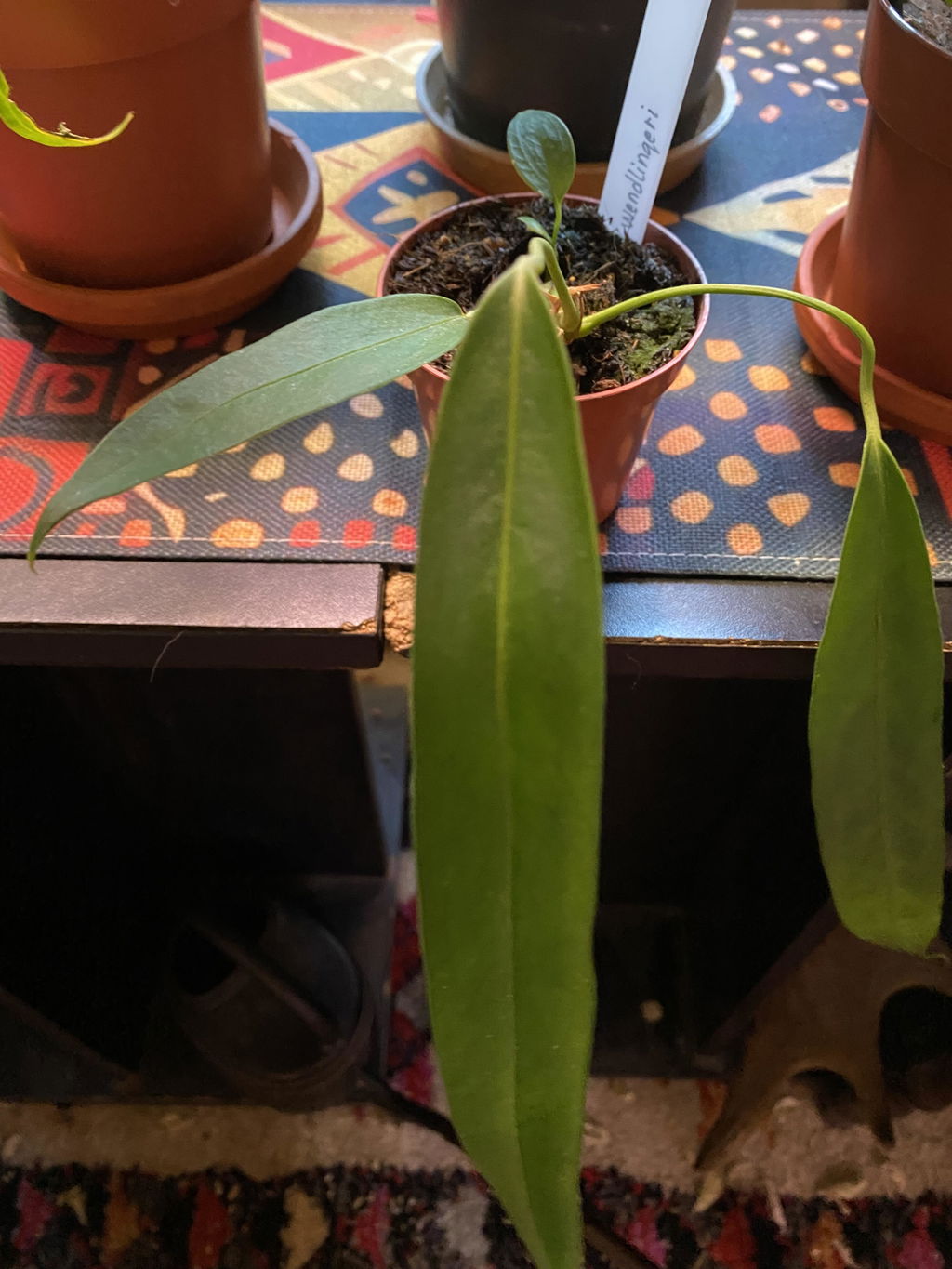
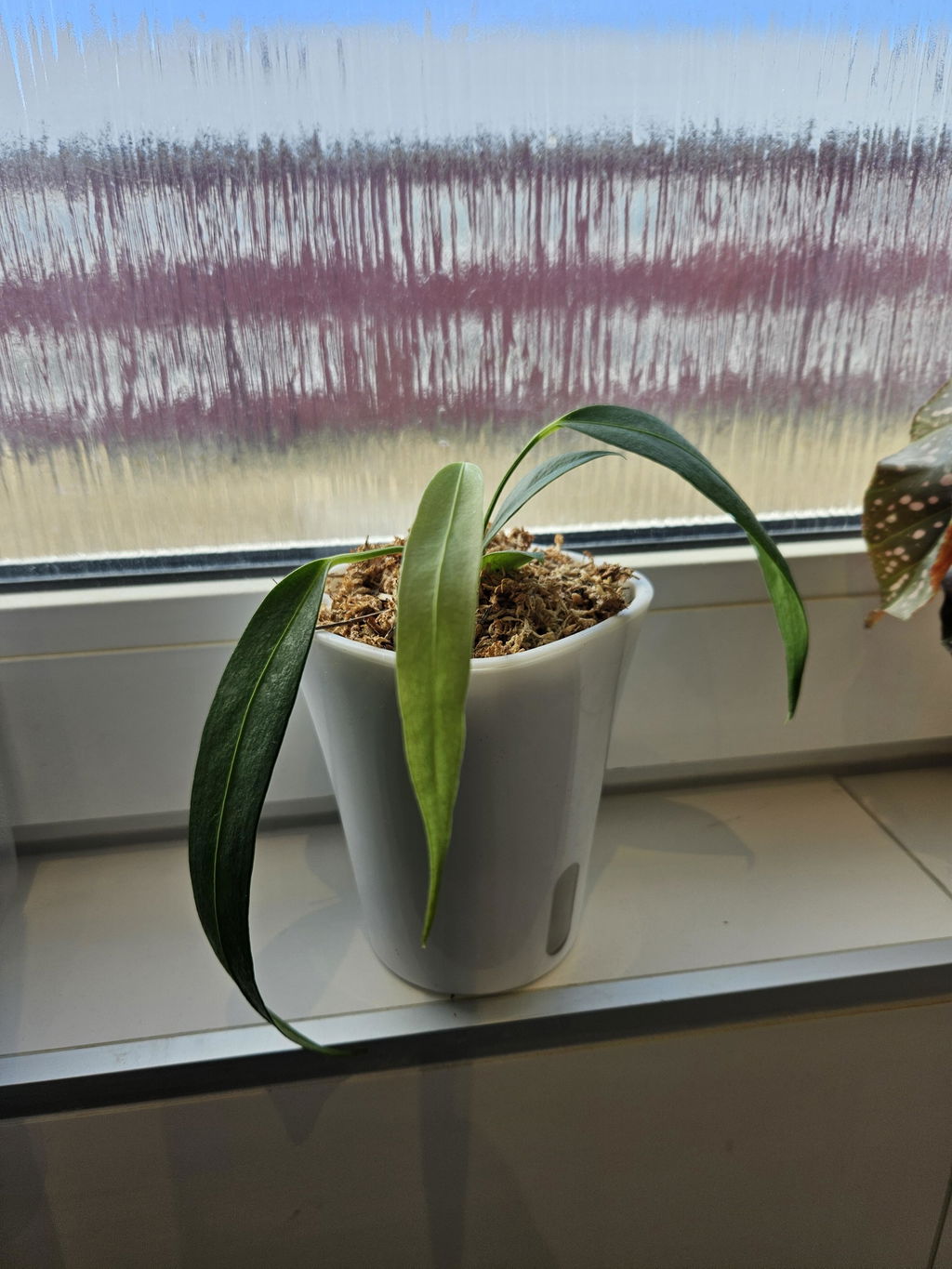
Anthurium wendlingeri has long, pendulous, strap-like leaves that can grow to over 2 meters in length.
The elegant shape of the leaves and the long, rippled, blackish-green leaf blades are enhanced by a sparkling, velvety texture on the upper surface. The leaves are the primary attractions of this species, but it is actually the strange inflorescences that elicit the most comments from observers.
The spadix begins to coil in the middle of its development, ending in a long (over 75 centimeters) corkscrew shape. The inflorescences are relatively long-lasting, and a fully pollinated fruiting head covered with hundreds of small, bright red fruits is a very attractive sight.
Botanical description
Anthurium wendlingeri was described in 1965 based on a living plant originating near Turrialba, Cartago Province, Costa Rica. The species occurs from southeastern Nicaragua through Costa Rica and Panama on both slopes (although it is generally more common on the Caribbean side), through the Guna Yala Comarca to the border region into western Colombia in the Chocó Department.

A. wendlingeri is visually similar to A. vittariifolium or A. pendens, albeit with a more spiral, corkscrew-like spadix.
The species has a fairly large altitude variation from nearly sea level to over 1450 meters, although it is usually a lowland plant. It is most abundant in lowland and premontane rainforests between approximately 100-800 meters above sea level.
There can be a size variation among local ecotypes throughout the range. The largest plants observed in the wild grew in mountainous rainforests in western Panama with leaves exceeding 1.2 meters in length.
A variety with straight spadices was described from a cultivated plant near Guápiles in Costa Rica by Thomas Croat in 2022 as var. horichii.
Care
Anthurium wendlingeri is an epiphyte that requires special care to mimic its natural habitat. Mount the plant on bark, cork, or, most simply as a houseplant, in very airy, well-drained orchid soil.
Place in bright, indirect light to partial shade. In nature, it grows in the understory of rainforests where it receives filtered light. Avoid direct sunlight, which can damage the delicate leaf surface. A grow light is a good addition during the dark winter months.
Maintain high humidity, preferably over 70%. Misting the leaves and aerial roots is appreciated. Good air circulation is important to prevent fungal problems.
Water regularly by dampening the mounting surface or substrate. Never let the roots dry out completely, but ensure excess water drains away. As a houseplant, therefore, it is important to use pots with many holes.
Fertilize sparingly with orchid fertilizer at half strength every two weeks during the growing season. Keep temperatures between 18-28°C for optimal growth.
Give the plant something to hang from or mount it so that the long leaves can hang freely and display their natural, elegant shape. With proper care, this spectacular plant will develop its characteristic long, pendulous leaves and unique spiral-shaped inflorescences. Buy Anthurium wendlingeri online
Shipping Policy
Shipping Policy
When buying live plants, transport can sometimes affect the condition of the plant. We strive to ensure that all plants arrive in good health, but minor shipping damage, such as a torn leaf or bent stem, is sometimes unavoidable. Read more about our policy here.



Join the customer club
Earn points on purchases and through special actions. Spend your points on rewards including gift products & discounts
Learn more about your plants!
View all-

How to repot houseplants - Step by step
Repotting houseplants is the key to keeping your indoor plants healthy and happy. It's all about the right soil, the right size pot and a little patience. In our guide...
How to repot houseplants - Step by step
Repotting houseplants is the key to keeping your indoor plants healthy and happy. It's all about the right soil, the right size pot and a little patience. In our guide...
-
Indoor Climbing Plants | Complete Guide to Clim...
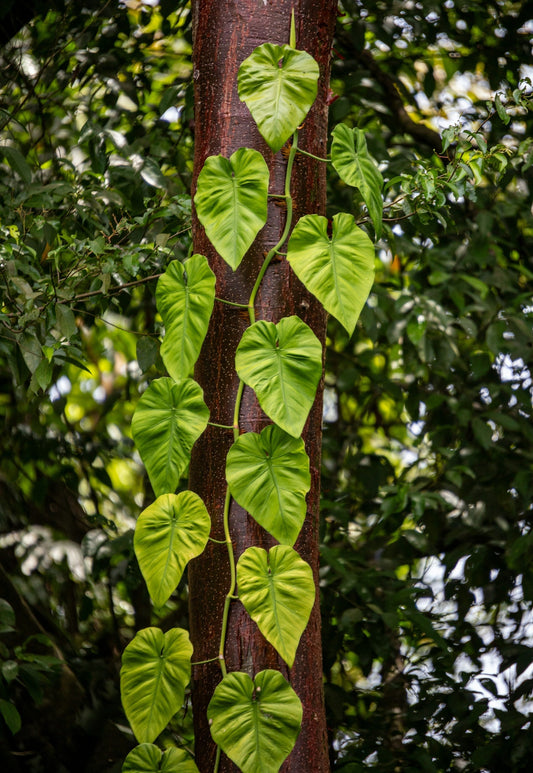
Indoor climbing plants bring life and movement to your home. They can hang freely from hanging baskets or climb up trellises. These green plants quickly transform windows and corners into...
Indoor Climbing Plants | Complete Guide to Clim...
Indoor climbing plants bring life and movement to your home. They can hang freely from hanging baskets or climb up trellises. These green plants quickly transform windows and corners into...
-

Propagate your Houseplants | Tips from the Expert
Is there anything more satisfying than watching a new plant grow from a cutting you made yourself? Plant propagation involves creating new plants from parts of your existing plants. It's...
Propagate your Houseplants | Tips from the Expert
Is there anything more satisfying than watching a new plant grow from a cutting you made yourself? Plant propagation involves creating new plants from parts of your existing plants. It's...

