


Anthurium pallidiflorum
Anthurium pallidiflorum
Couldn't load pickup availability


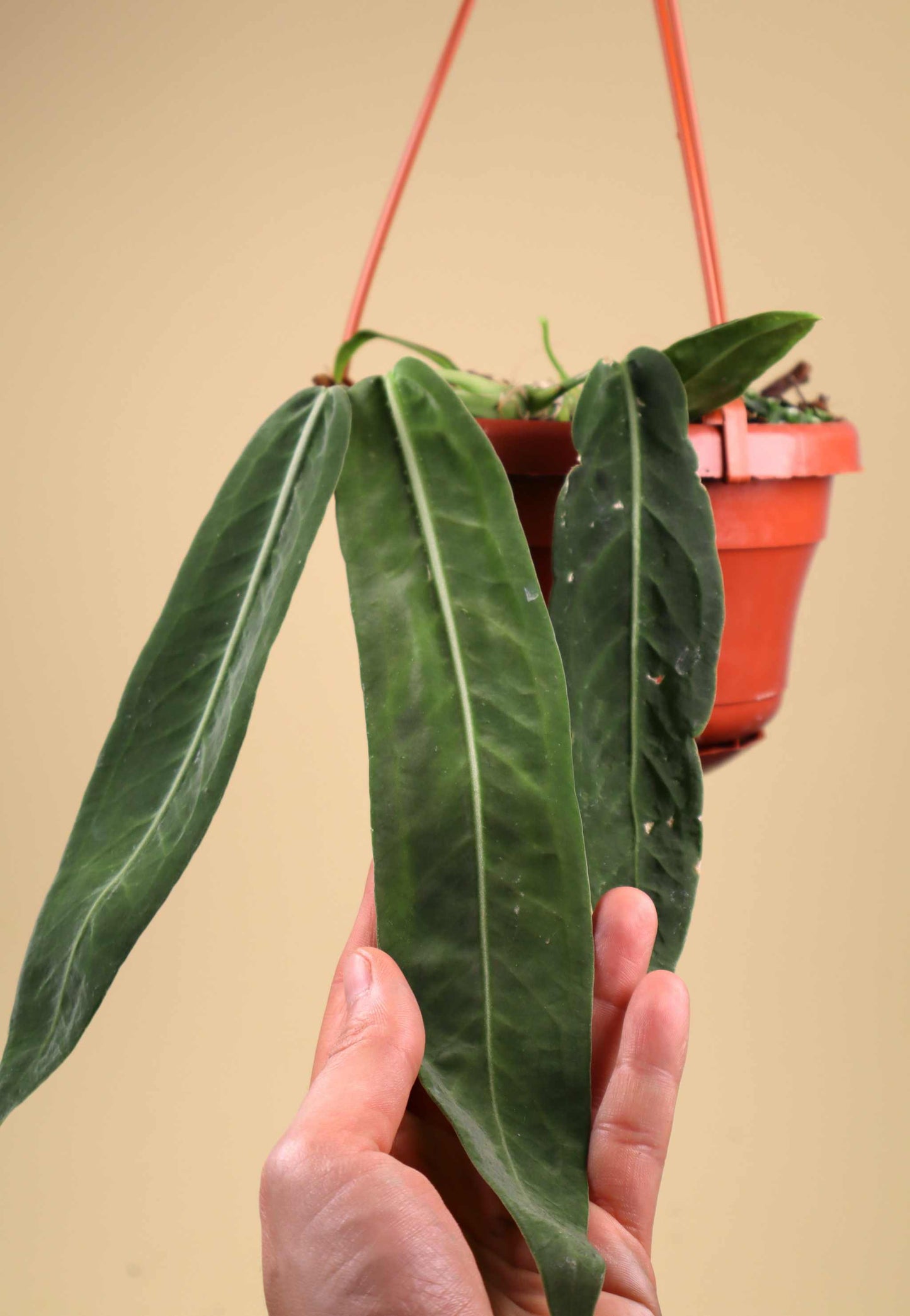
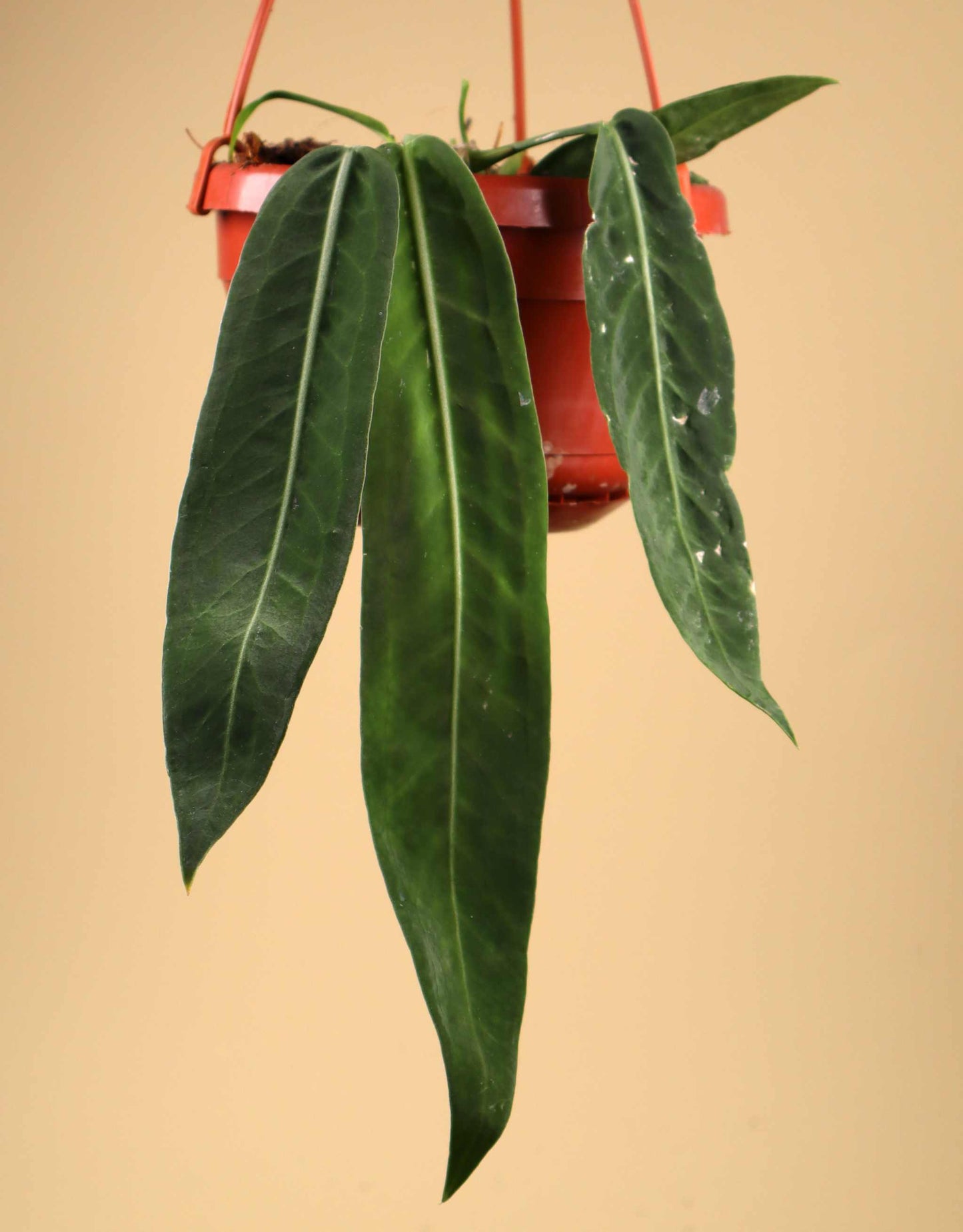
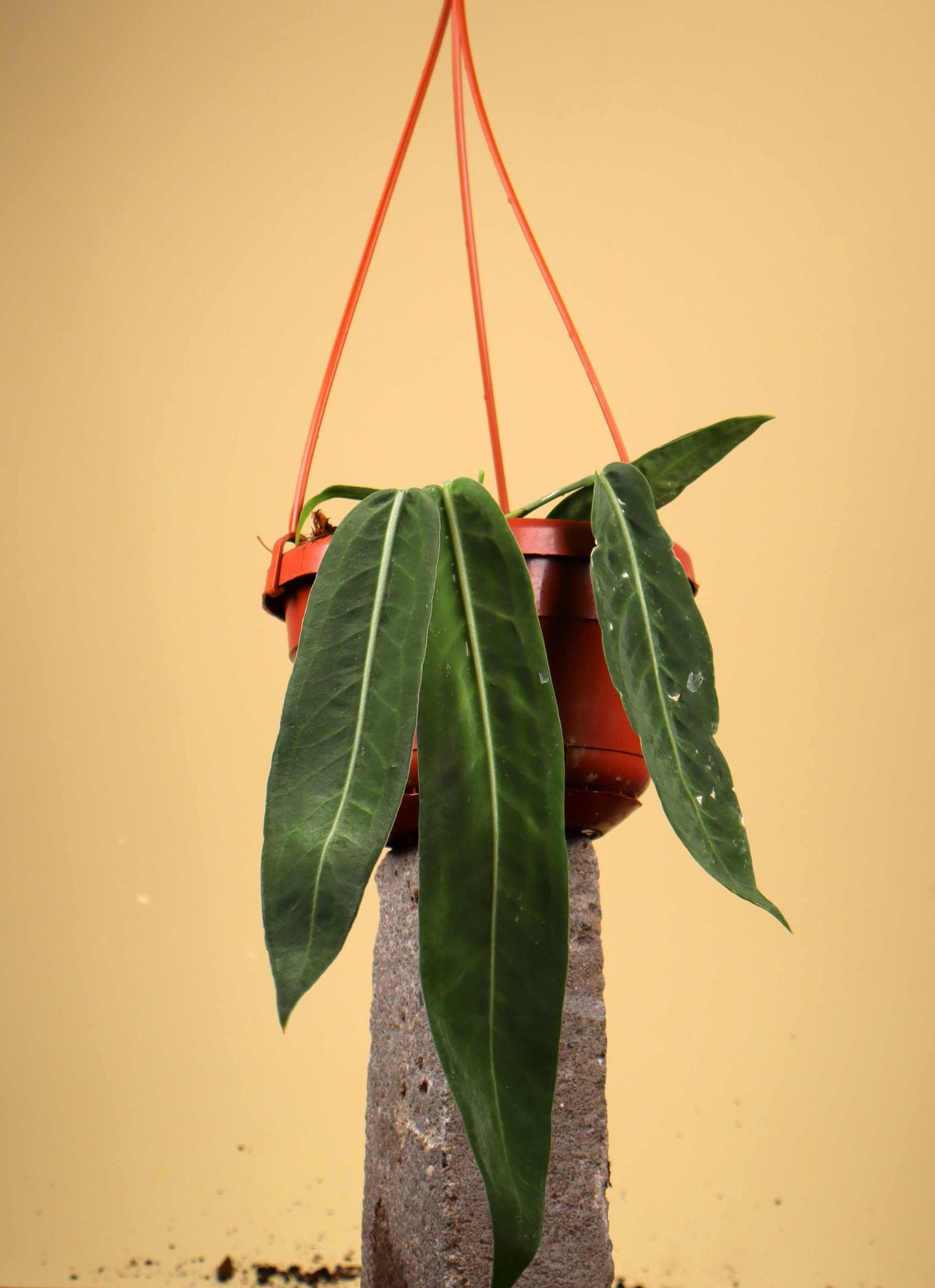
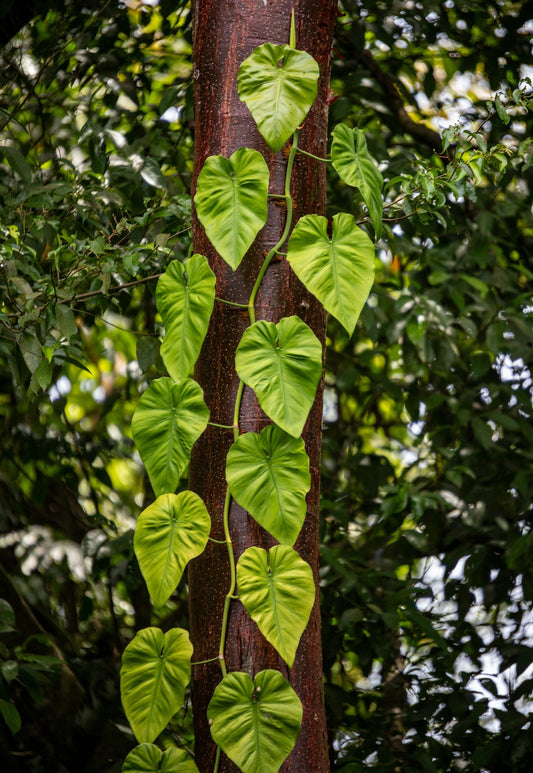
Hanging Anthurium with very long and narrow leaves.
The leaves of this species grow really large and oblong. They are glossy and dark green with a smooth surface and sometimes a slight waviness along the edges. The leaves can grow almost 2 meters long!
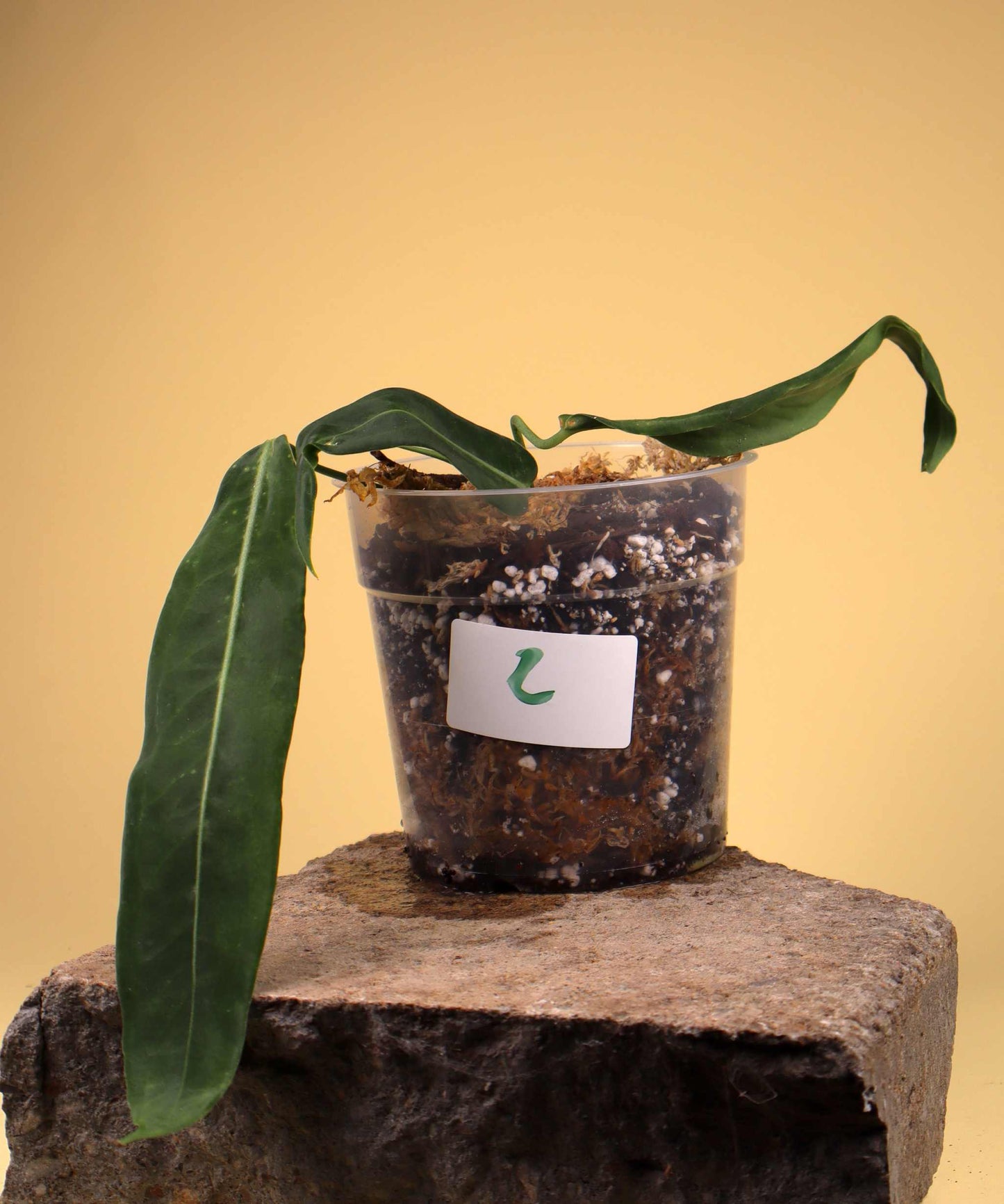
Unlike many other Anthurium species, A. pallidiflorum is entirely terrestrial and grows in the undergrowth, without climbing or epiphytic characteristics.
Botanical description
Anthurium pallidiflorum is native to western Ecuador. It grows naturally in humid, shady environments at lower altitudes where temperatures are moderate and rainfall is constant year-round.

The species was first described by botanist Heinrich Gustav Adolf Engler, a German botanist who made significant contributions to the study of tropical plants.
What makes this species particularly attractive is the contrast between the dark leaves and the light flower heads. The spadix is relatively long and has a subtle scent that attracts pollinators such as insects.
Care
Light : Prefers bright, indirect light. Direct sunlight can burn the leaves.
Watering : Let the soil dry completely between waterings.
Soil : A well-draining soil mix with organic material such as orchid bark and perlite is suitable. For example, our Aroid soil
Temperature : Prefers temperatures between 15-27°C.
Propagation : Dividing cuttings from the stem is the most common propagation method, especially when the plant is actively growing.
A highly elegant plant appreciated for its unique long leaves. Buy Anthurium pallidiflorum online!
Shipping Policy
Shipping Policy
When buying live plants, transport can sometimes affect the condition of the plant. We strive to ensure that all plants arrive in good health, but minor shipping damage, such as a torn leaf or bent stem, is sometimes unavoidable. Read more about our policy here.


Join the customer club
Earn points on purchases and through special actions. Spend your points on rewards including gift products & discounts
Learn more about your plants!
View all-

How to repot houseplants - Step by step
Repotting houseplants is the key to keeping your indoor plants healthy and happy. It's all about the right soil, the right size pot and a little patience. In our guide...
How to repot houseplants - Step by step
Repotting houseplants is the key to keeping your indoor plants healthy and happy. It's all about the right soil, the right size pot and a little patience. In our guide...
-
Indoor Climbing Plants | Complete Guide to Clim...
Indoor climbing plants bring life and movement to your home. They can hang freely from hanging baskets or climb up trellises. These green plants quickly transform windows and corners into...
Indoor Climbing Plants | Complete Guide to Clim...
Indoor climbing plants bring life and movement to your home. They can hang freely from hanging baskets or climb up trellises. These green plants quickly transform windows and corners into...
-

Propagate your Houseplants | Tips from the Expert
Is there anything more satisfying than watching a new plant grow from a cutting you made yourself? Plant propagation involves creating new plants from parts of your existing plants. It's...
Propagate your Houseplants | Tips from the Expert
Is there anything more satisfying than watching a new plant grow from a cutting you made yourself? Plant propagation involves creating new plants from parts of your existing plants. It's...

