


African baobab 'Adansonia digitata'
African baobab 'Adansonia digitata'
Couldn't load pickup availability


An iconic African tree considered the world’s largest succulent plant.
This magnificent tree is wrapped in a wealth of mystique, legends, and superstitions wherever it occurs in Africa, a tree that can provide food, water, shelter, and relief from sickness.
The main trunk of larger baobabs can reach enormous proportions of up to 28 meters in circumference, although the trees seldom exceed 25 meters in height.
The massive, usually squat cylindrical trunk gives rise to thick tapering branches which are reminiscent of a root system, hence the popular name “the upside-down tree”. One legend relates that God planted them upside down, and many traditional Africans certainly believe the baobab grows upside down.
Botanical description
Adansonia digitata is found in parts of South Africa, Botswana, Namibia, Mozambique, and other tropical African countries where suitable habitat occurs. It is confined to hot, dry woodlands on rocky, well-drained soils in frost-free areas that receive low rainfall.

The name Adansonia was given to this tree in honor of the French surgeon Michel Adanson. The species epithet digitata, meaning finger-like, refers to the shape of the leaves.
The fruit is a large, egg-shaped capsule (often over 120 millimeters), covered with yellowish-brown hairs. The fruit consists of a hard, woody outer shell with a dry, powdery substance inside which covers the hard, black, kidney-shaped seeds.
Large baobabs with hollow stems have been used by humans for centuries for various purposes including houses, prisons, bars, storerooms, and even as bus stops! A large tree in the old Transvaal region was once recorded as a dairy. Another tree near Leydsdorp was used as a bar (known as the Murchison Club) and frequented by prospectors and miners during the late 1800s gold rush.
More recent work using carbon dating techniques, as well as core sample studies, suggests that a tree with a 10-meter diameter can be as old as 2000 years!
Care
Adansonia digitata needs little nutrients and relatively little water. Only during very hot summers do they need watering approximately every three to four days. The pot should, if possible, be at the same height or preferably below the roots of the baobab. Otherwise, the tree draws too much water and can cause flooding.
Upon receiving your plant, repot it into a slightly larger pot, which must have drainage holes. Avoid saucers that prevent residual water from draining away and promote fungal diseases. Choose fine potting soil, preferably with added perlite or sand to lighten the substrate (do not use garden soil or acidic soil like heather). Our peat-free soil works well. Then plan two repotting sessions per year (spring and autumn), gradually increasing the size of the pot and adapting it to the size of the root network (the roots must have space, but not too much as the plant must be able to dry its substrate between waterings). This avoids needing to add fertilizer, which always risks burning the plant's delicate roots and causing the plant to wilt as soon as fertilization stops.
Moderate watering: watering should be abundant (the entire root ball should be wet), but wait until the substrate has dried deeply before watering again (you can stick your finger into the soil: as long as you feel moisture, do not water). Your baobab will recover better from lack of water than from excess water.
Place it in a warm and bright spot, such as a veranda (in summer) or behind a window. Direct sunlight suits them perfectly. This plant is not frost- and/or cold-hardy and should not be planted outdoors except in limited parts of southern Europe.
If it loses its leaves during winter, don't worry, but significantly reduce watering! During the dry season, the baobab reduces its metabolism but does not "shut down" completely like beech or oak trees in Europe. Its survival of the dry phase depends on the water stored in special cells in the trunk, branches, and roots. However, water storage has a disadvantage: baobabs cannot tolerate frost. They freeze to death like succulents would. This is why the frost line limits the natural distribution of baobabs.
Culinary use: Baobab leaves can be eaten, and they taste lovely raw in salads or cooked. In some of their native areas, people prepare a kind of spinach from young fresh leaves. When cooked, the leaves tend to draw threads which people like best.
This magnificent baobab tree is sacred; be careful not to cut into its spongy trunk full of water, that's theft! It truly stands at the heart of African life and is called the "meeting tree" because it is around it that the village gathers to discuss its problems and tell tales and legends. Everything is good about it: its fruits are edible, also much appreciated by monkeys, its seeds are used as a coffee substitute, its young shoots and their roots are eaten like asparagus. Buy Baobab trees online!
Shipping Policy
Shipping Policy
When buying live plants, transport can sometimes affect the condition of the plant. We strive to ensure that all plants arrive in good health, but minor shipping damage, such as a torn leaf or bent stem, is sometimes unavoidable. Read more about our policy here.


Join the customer club
Earn points on purchases and through special actions. Spend your points on rewards including gift products & discounts
Learn more about your plants!
View all-

How to repot houseplants - Step by step
Repotting houseplants is the key to keeping your indoor plants healthy and happy. It's all about the right soil, the right size pot and a little patience. In our guide...
How to repot houseplants - Step by step
Repotting houseplants is the key to keeping your indoor plants healthy and happy. It's all about the right soil, the right size pot and a little patience. In our guide...
-
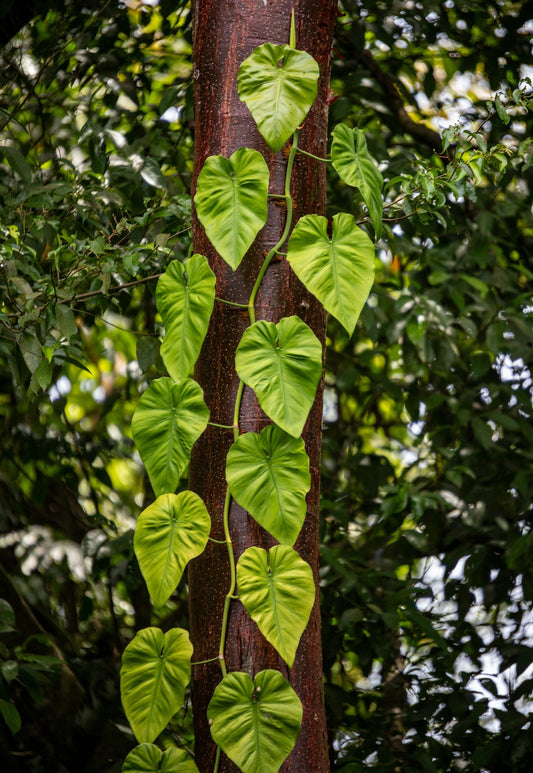
Indoor Climbing Plants | Complete Guide to Clim...
Indoor climbing plants bring life and movement to your home. They can hang freely from hanging baskets or climb up trellises. These green plants quickly transform windows and corners into...
Indoor Climbing Plants | Complete Guide to Clim...
Indoor climbing plants bring life and movement to your home. They can hang freely from hanging baskets or climb up trellises. These green plants quickly transform windows and corners into...
-

Propagate your Houseplants | Tips from the Expert
Is there anything more satisfying than watching a new plant grow from a cutting you made yourself? Plant propagation involves creating new plants from parts of your existing plants. It's...
Propagate your Houseplants | Tips from the Expert
Is there anything more satisfying than watching a new plant grow from a cutting you made yourself? Plant propagation involves creating new plants from parts of your existing plants. It's...

