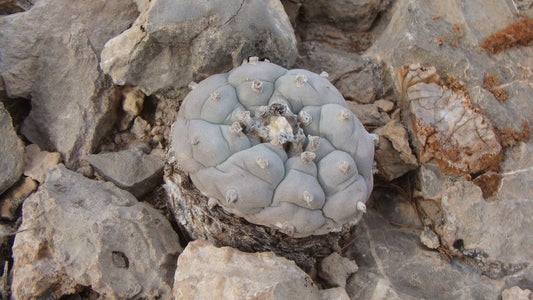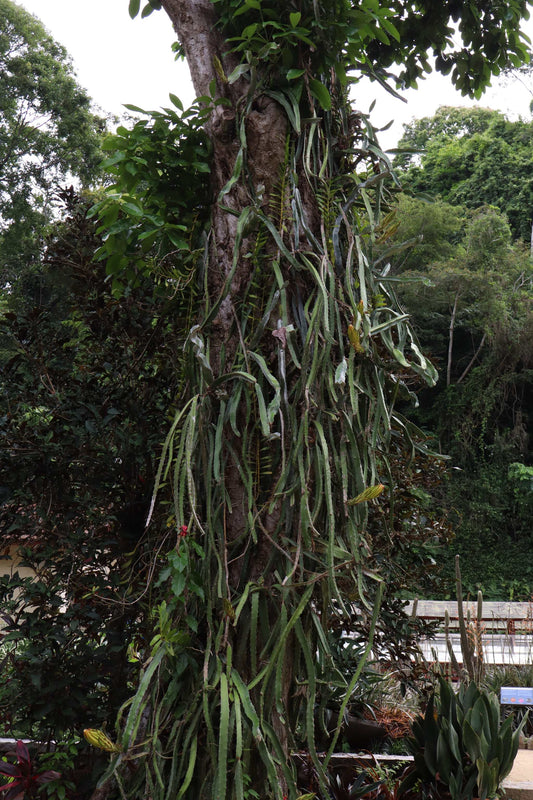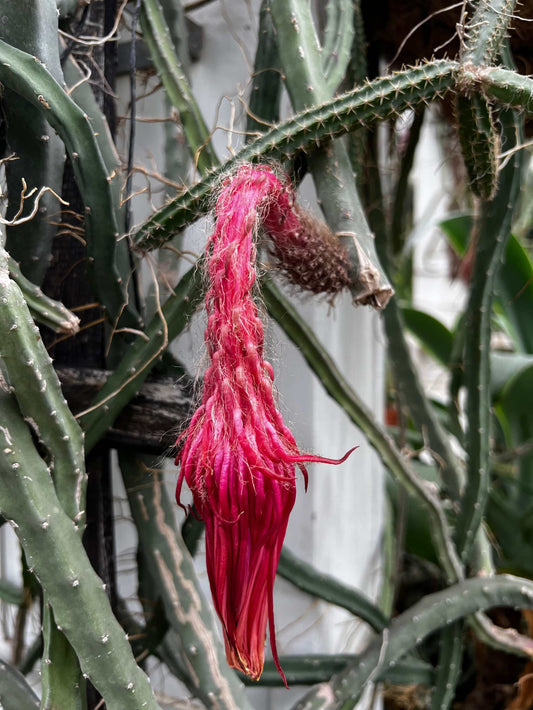

It may seem surprising , but they are known for their large, colorful flowers that create striking contrasts. If you want to see those flowers, it's important to give your plant some rest in the winter so they can go through a proper dormancy. Just remember that not all species can bloom indoors.
When kept indoors, they stay small and are perfect as tabletop plants. Originally from dry areas of America and Africa, they are drought-tolerant and easy to care for. They only ask for one thing from you: lots of light!

10 Tips for Succulent Success
1. Give them lots of light
Your cacti and succulents love lots of light. Find a spot near a window where they can get lots of natural light and even some direct sun in the morning or evening.
2. Be careful with direct sunlight
While some species tolerate it very well, others can get sunburned, and you will see brown or red spots on them. If possible, accustom them to the sun gradually and avoid the midday sun.
3. When the plant grows tall and thin
When your cactus or succulent grows tall and thin, it may mean it is reaching for light. You can move it to a brighter spot, but don't expose it to direct sunlight too suddenly.
4. Rotate your plants from time to time
It is common for succulents and cacti to lean toward where the light is coming from. Rotating them keeps them straight and prevents them from leaning.
5. Make sure you don't water too much
Because they store water, they need less watering than other houseplants. You can get root rot and mushy stems very quickly if you water too much.
6. But don't forget to water
Although they are drought tolerant, they still need regular watering. It is best to wait until the soil has completely dried out before watering again.
7. Use the right soil
Use a potting mix specifically made for succulents and cacti. This ensures that the soil is well-drained and light so the roots don't get waterlogged.
8. Lower leaves fall off sometimes
Succulents often shed their lower leaves as they grow, which is usually normal. However, if the shedding is excessive, it could be due to overwatering or insufficient light.

9. Keep an eye on pests and fungal diseases
If you see anything suspicious, act immediately to avoid further damage. At Fern Bunkers, we have natural solutions with beneficial animals that work great.
10. Give them winter rest
From October to March, reduce watering and do not fertilize at all. This is their natural rest period.
Light requirements
Cacti and succulents love lots of light! They are happiest in bright but indirect sunlight. Some can handle direct sunlight, but it is best to introduce this gradually to avoid sunburn. They usually enjoy several hours of sun each day, preferably in the morning and evening when the light is not as intense.
Important to know: Too much direct sunlight can cause them to get sunburned, which shows up as white or brown/reddish spots. If your plant is sunburned, try moving it further away from the window or to a location with less direct light, or use blinds or curtains to filter the intense sun rays.
If a cactus or succulent doesn't get enough light, it may stretch toward the light source, making the plant tall and thin. The plant's color may also fade and growth may slow down.
Watering

Cacti and succulents are desert plants, so they prefer the soil to dry out completely before watering again. Since their pots are usually quite small, it can be tricky to tell if the soil is dry. A good trick is to peek at the soil through the drainage hole at the bottom, or you can lift the pot and feel its weight. A pot with dry soil is much lighter than one with wet soil. If these plants don't get enough water for a long time, they will start to shrivel.
Cacti and succulents are very sensitive to overwatering. If you notice the leaves or stems turning yellow, becoming translucent, or looking mushy, you may be watering too much. Always remember that it is better to underwater than overwater with these plants. The hardy plants will forgive you for dry spells.
Important to know: Reduce watering of your cute little plants during the winter months, from October to March. Since the soil dries slowly, overwatering is a big threat.
Fertilization
Cacti and succulents don't need to be fertilized very often. Plants like these thrive in soil that isn't rich in nutrients. Fertilizing them one to three times with a semi-diluted plant food during the growing season is usually enough. Be sure to avoid fertilizing in the winter when most of these plants go dormant and stop growing.
Temperature and Humidity
They thrive in temperatures between 18 and 29 degrees. When it comes to humidity, they are not too happy with humid air. They are happiest in a dry environment, with a humidity between 10 and 60 percent. So a perfect houseplant for homes with dry air!
Tip: Winter dormancy and cooler temperatures encourage flowering in the spring. If you are growing one of these flowering species, such as Gymnocalycium or Euphorbia, a location with bright light and a temperature around 10 degrees would be ideal during this period.
Transplanting and Soil
Cacti and succulents are pretty easy to repot. They actually like to be a little root bound, so you only need to repot them every 2 to 4 years or when they outgrow their current pot. We recommend choosing soil specifically made for succulents and cacti. This type of soil ensures good drainage and is lighter, which prevents the roots from becoming waterlogged.
Repotting Tip: When repotting a cactus, always remember to protect your hands. A pair of thick gardening gloves or a folded newspaper can work well to avoid those thorns.
Propagation of Cacti & Succulents
It is actually quite easy to propagate these cute little plants. You can propagate them through stem cuttings or seeds. The easiest method is to use stem cuttings. This involves taking a small piece or shoot from the cactus or succulent plant. Then plant it in the well-drained succulent/cactus soil.

Keep an eye on it for a while. Don't let it get too dry, but don't overwater it either. After a while it should start to grow roots. You can tell when this is happening if you gently tug on the plant (don't pull it out of the soil!) and it doesn't come straight out of the soil. This means the roots are holding it in place. Or you can carefully peek down into the soil and see the roots. Once it's established, it can be treated like its mother plant!
Growing cacti or succulents from seed is easy but extremely time-consuming. But it's really fun to watch your plants grow from the start! Simply sprinkle the seeds on top of the soil and keep it lightly moist. Now you can sit back and enjoy watching your plant grow!
Common Pests on Cacti & Succulents
Although these plants are rarely attacked by pests, they still have a chance of becoming infected. The most common pests for these plants are spider mites, mealybugs and scale insects . These small pests can cause a lot of problems for your cute little plants. Regular checks will help you prevent larger infestations.
Do you suspect that your plant has some unwanted visitors?
Spider mites: Small mites that cause silvery spots. Treat with predatory mites from Fern Bunkers.
Mealybugs: Small white furry insects. Treat with T-Red in a spray bottle or woolly ladybugs.
Scale: Small brown scales on the plant. Remove by hand or use t-rot.
At Fern Bunkers, we have natural solutions with beneficial animals that are perfect for controlling pests on cacti and succulents. Read more here
Are Cacti & Succulents Poisonous?
Unfortunately, some types of cacti and succulents can be toxic to dogs, cats, and even humans if eaten. We recommend checking the specific details of your cactus or succulent to see if it is safe. However, even if they are not poisonous, it is always best to keep them out of reach of children and pets. The sharp spines on cacti can hurt and cause discomfort!
Summary
Cacti and succulents are great houseplants for both beginners and experienced plant lovers. Remember:
✓ Lots of light: preferably several hours of sun per day
✓ Water sparingly: let the soil dry completely between waterings
✓ Well-drained soil: use special cactus and succulent soil
✓ Minimal fertilization: one to three times per growing season
✓ Winter rest: less water, no fertilizer October to March
✓ Rotate the plant: prevents it from leaning to one side
✓ Dry air okay: perfect for Swedish homes
With these simple tips, your cacti and succulents will thrive and maybe even bloom! They truly are some of the most forgiving plants you can have. We at Ferns love these tough little survivors and are happy to help if you have any questions!