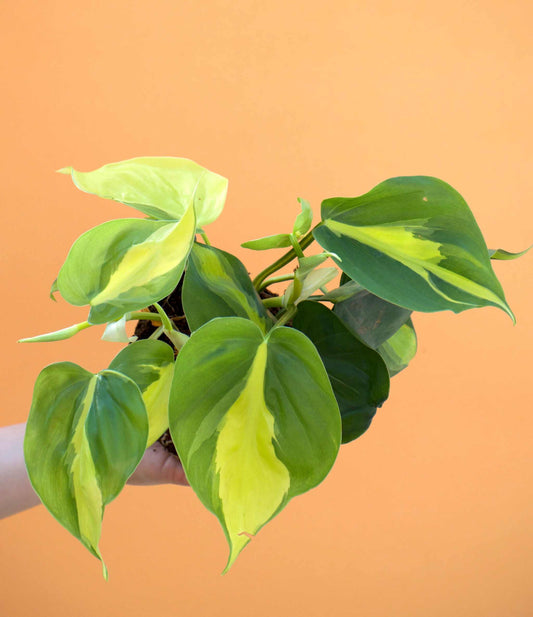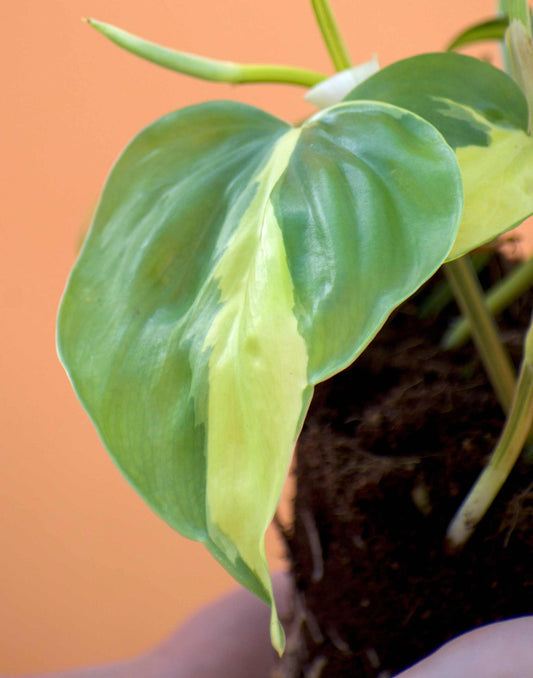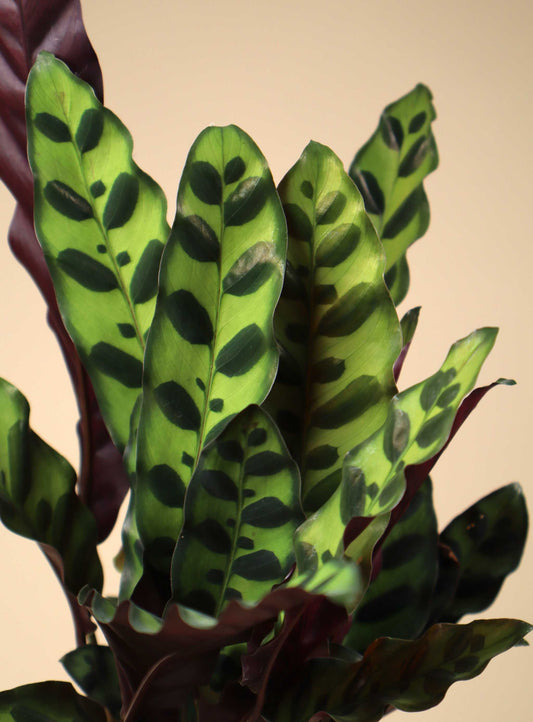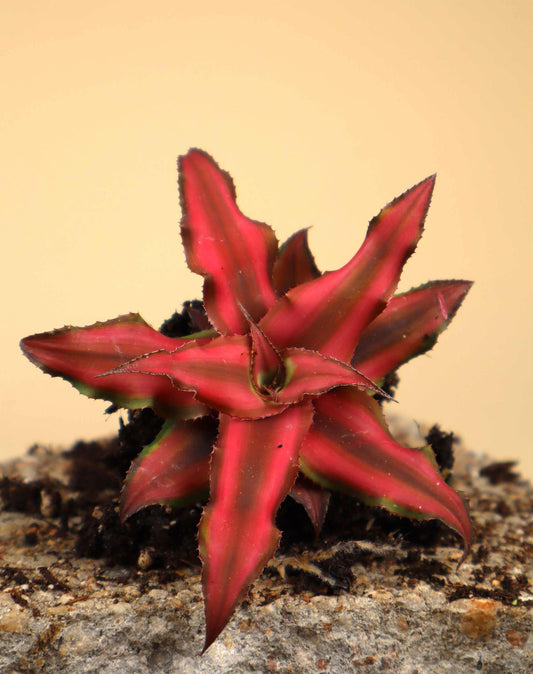

Coleus, also known as home nettle or Flame Nettle, comes in a variety of colors and patterns. The leaves can be different shades of green, red, pink, purple, yellow or orange , often with intricate patterns and variegation . We completely understand why this plant is a must-have for any indoor jungle!
Fun fact: Coleus has the ability to change leaf colors and patterns depending on the amount of light it receives. In low-light conditions, the leaves can become less colorful and more green, while in bright, indirect light, they can display their most vibrant and intricate colors and patterns.
10 Tips for Success with Coleus

1. Bright but not in direct sun
Coleus leaves thrive in bright, indirect light. Avoid exposing them to harsh, direct sunlight as this can burn the leaves. They need plenty of light to maintain their colors, but midday sun is too strong.
2. Well-drained soil
Plant your Coleus in well-drained potting soil that is rich in organic matter. A mixture of peat-free potting soil and perlite or sand can help ensure good drainage. Our ready-made peat-free soil mix is also suitable for Coleus.
3. High humidity
Coleus leaves prefer higher humidity. You can increase the humidity around the plant by misting the leaves or using a humidifier. However, in the summer, normal indoor humidity is usually sufficient. Problems related to humidity occur mainly in the winter, especially if the plant is above a radiator, where the air becomes very dry.
4. Keep the soil moist
Keep the soil moist but not completely saturated. Water when the top inch of soil feels dry. Pallet leaves do not tolerate drought, so do not let the soil dry out completely.
5. Fertilize during the growing season
Use a balanced fertilizer during the growing season (spring to early fall). Reduce or stop feeding during the winter months when the plant is dormant.
6. Care for the Coleus Blades
Cut back the plant tops regularly to encourage bushier growth and prevent it from becoming lanky. Pruning can also help maintain the plant's shape and remove lanky or yellowing growth.
7. Keep an eye on pests
Coleus can be attacked by common houseplant pests such as aphids, mealybugs and spider mites. Inspect your plant regularly, and if you notice any pests, treat the plant with alcohol or natural solutions with beneficial insects.
8. The right pot size
Choose a pot that is large enough to allow for good drainage and root development. Repot your Coleus if it becomes root bound.
9. Keep it warm
Keep your Coleus in a warm environment, as they prefer temperatures between 15 and 24 degrees Celsius. Avoid exposing them to temperatures below 10 degrees Celsius.
10. Winter care
Coleus leaves are sensitive to cold temperatures. Keep it in a well-lit, warm location and reduce watering, as it may not need as much moisture during the winter months.
How bright should Pallet Leaf be?
Coleus as houseplants thrive in bright light, but it is important to be aware of their specific light needs. Although they appreciate sunlight, direct midday sun should be avoided as it can damage their delicate leaves by causing sunburn.
Ideally, place your Coleus near a window that receives filtered or dappled sunlight. If you are growing them indoors, consider an east or west facing window where the plant can benefit from morning or afternoon sun without direct exposure. If you have a dark place, we recommend using grow lights.
Important tip: To ensure even growth and balanced development, rotate your Coleus every two weeks. This prevents one side of the plant from leaning towards the light source.
An interesting thing about Coleus is that the colors of the leaves are actually affected by how much light they receive. In lower light, the leaves become more green and less colorful. In bright, indirect light, they get their most intense colors and patterns. So if your Coleus is starting to look a little faded, it could be a sign that it needs more light.
Watering
You can keep your Coleus happy by keeping the soil evenly moist, but not too wet. If the soil gets too dry, your plant may not grow well and the leaves may turn brown around the edges. To determine when your plant needs water, simply stick your finger about an inch deep into the soil. If the soil feels dry at that depth, it’s time to give your plant some water.
Coleus like evenly moist soil, much like a sponge that is just right but not soggy. If the soil dries out completely, the plant will show it by drooping leaves and turning brown and dry at the edges. But don't overwater either, as this can lead to root rot.
Plant nutrition
The most growth of the Coleus occurs during the growing season, which extends from spring to early autumn. During this period, you can fertilize your Coleus regularly with a balanced plant nutrient.

Important tip: Make sure the soil is moist before applying the fertilizer. This helps prevent potential damage to the roots and ensures that the plant can absorb the nutrients more effectively.
During the winter when the plant is dormant it needs very little or no fertilizer at all. The pale leaves go down in turns when the days get shorter, so respect that and let it rest.
Temperature and Humidity
Coleus thrive in temperatures between 15 and 24 degrees. Maintaining these temperatures is essential for optimal growth and leaf coloration. You should protect your Coleus from cold drafts, as they are very sensitive to temperature fluctuations. Cold drafts can cause stress and affect the health of the plant.
Coleus houseplants can tolerate average indoor humidity, but giving them a little extra moisture and higher humidity will make them feel more at home and help them thrive!
Tips for increasing humidity:
- Shower the leaves regularly with water
- Use a humidifier
- Place the plant on a tray with gravel and water
- Group plants together
This is especially important in dry indoor environments, which is common in Swedish homes during the winter when the elements are running.
Soil and Transplanting
Pallet leaves grow best in well-drained soil. Use a high-quality potting soil mix designed for houseplants, such as our peat-free soil. You can improve drainage by adding perlite or sand to the mix. When planting or replanting, avoid packing the soil too tightly. Loose, airy soil is essential for root health and proper growth.
Pallet plants usually need to be repotted every 1 to 2 years, or when signs indicate it's time. These signs include slow growth, roots coming out of the drainage holes, or the plant becoming unstable in its current pot.
When repotting, choose a pot that is slightly larger than the current one. Coleus grows quite quickly during the season, so it appreciates some space to grow in. Use a clear pot to easily keep track of how the roots are doing and how much space is left in the pot!
Propagating Coleus
It is super easy to propagate Coleus by sowing seeds or taking cuttings. Which is especially useful if you have an unusual Coleus that you would like to have more of.
Choose a large, healthy plant for propagation. Also look for a plant with lots of leaves and no signs of disease or pests. Then carefully follow these steps:
Step 1: Using sharp, clean scissors or pruners, cut off as many pallet leaf cuttings as desired. The cuttings should be between 10 and 15 cm long. Make the cut for cuttings just below a leaf node.
Step 2: Remove all leaves from the lower half of the cutting.
Step 3: Stick a pencil into the soil and place theColeus cutting in the hole. The soil should cover at least one leafless node.
Step 4: Place the cutting in a small plastic bag or cover the pot with plastic wrap. Make sure the plastic does not touch the cutting. Place the container in bright, but indirect light.
A Coleus cutting should root in two to three weeks. You will know it is rooted when you see new growth on it.
Alternatively in water:
Another method for rooting Coleus cuttings is in water. After taking your cuttings, place them in a small glass of water and place this in bright indirect light. Change the water every other day. When you see roots growing, you can replant the Coleus cuttings into soil.

Common Pests on Coleus
Houseplants can be susceptible to a variety of common pests, including aphids, mealybugs, spider mites, whiteflies, and thrips. To prevent and manage these pests, it is important to inspect your plants regularly.
Most common problems:
Aphids: Small green or black insects that gather on young shoots. Shower off or treat with alcohol or these beneficial insects.
Mealybugs: Small white fluffy insects. Treat with alcohol wipes, or use beneficial insects.
Spider mites: Causes silvery spots and thin webs. Leaves turn yellow and may drop leaves. Treat with predatory mites from Ormbunker for best results.
Thrips: Small insects that cause silvery streaks on the leaves. Treat with predatory mites such as Montdorensis or Orius.
Do you think your plant is suffering from something? At Ormbunker, we have natural solutions with beneficial animals that are perfect for combating all these problems!
Is Coleus Toxic?
Unfortunately, Coleus are toxic to both pets and humans. It is best to keep it out of reach of dogs, cats, and children to prevent accidental ingestion.
If you have cats or dogs that like to chew on plants, Coleus is not the right choice. Instead, choose something safer like Pilea or Peperomia.
Summary
Coleus is a great plant for anyone looking to add color to their home. They are relatively easy to care for if you give them the right conditions. Remember:
✓ Bright, indirect light: avoid direct midday sun
✓ Evenly moist soil: do not let it dry out completely
✓ High humidity: use a humidifier if possible
✓ Warm and draft-free: 15 to 24 degrees is perfect
✓ Regular fertilization: during the growing season
✓ Prune for bushiness: prevents lanky growth
✓ Rotate the plant: for even growth
✓ Easy to propagate: perfect for sharing with friends
The best thing about Coleus is that the colors adapt to the light. So if you want more intense colors, give it more light. If you want more green tones, a little less light will work. It's like having a plant you can customize to your home!
We at Ormbunker love Coleus for its colorful personality and are happy to help if you have questions about how to make your plant thrive!