


Lophophora williamsii | Peyote
Lophophora williamsii | Peyote
Couldn't load pickup availability
Slow-growing decorative peyote cactus with pink-white flowers and rich ethnobotanical history
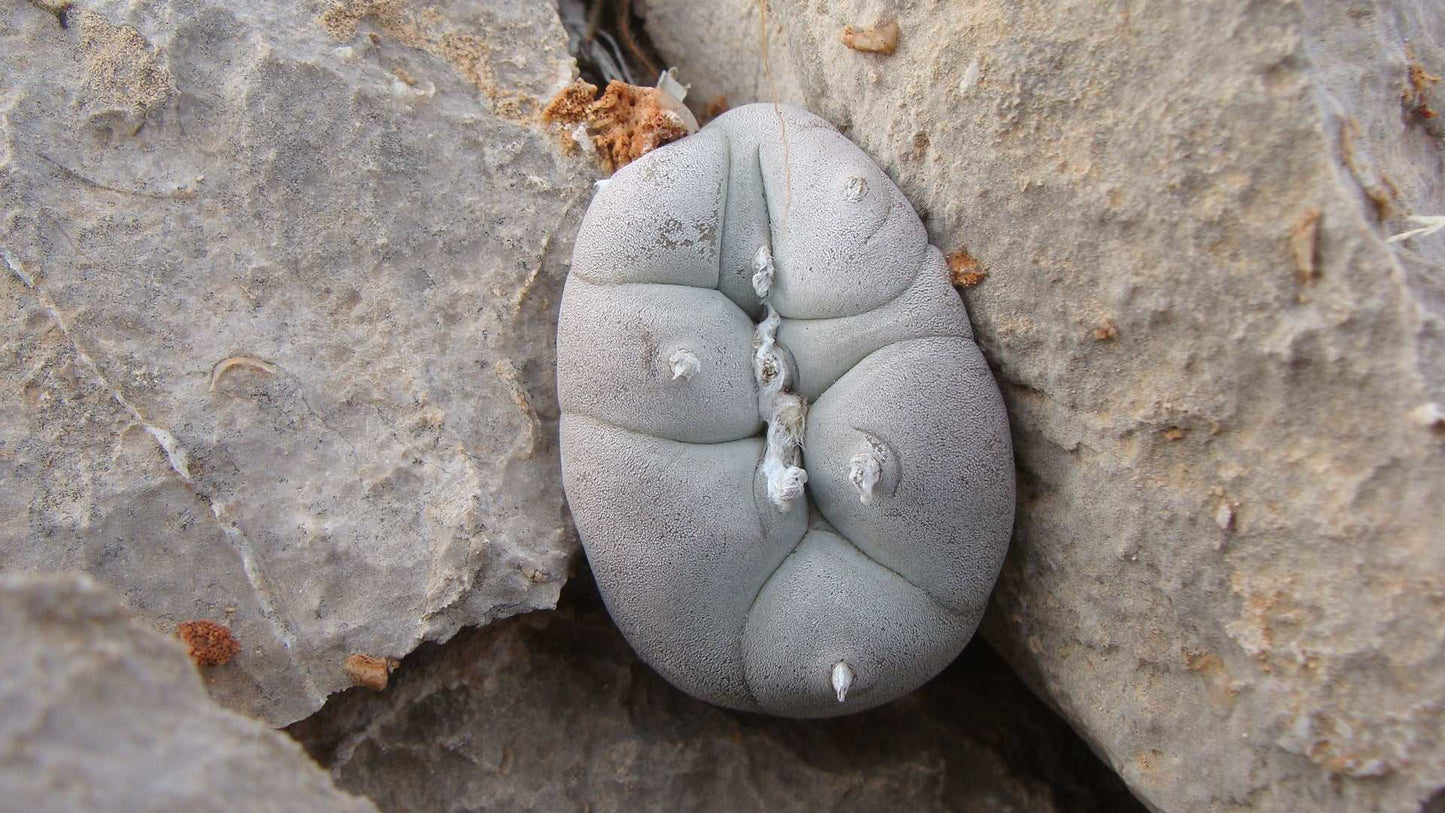
Lophophora williamsii, known as peyote, is a small, very decorative cactus from a large distribution area extending from Texas in the USA in the north to the area around the city of San Luis Potosí in Mexico in the south. The species is highly variable with many different subspecies and forms adapted to local climates.
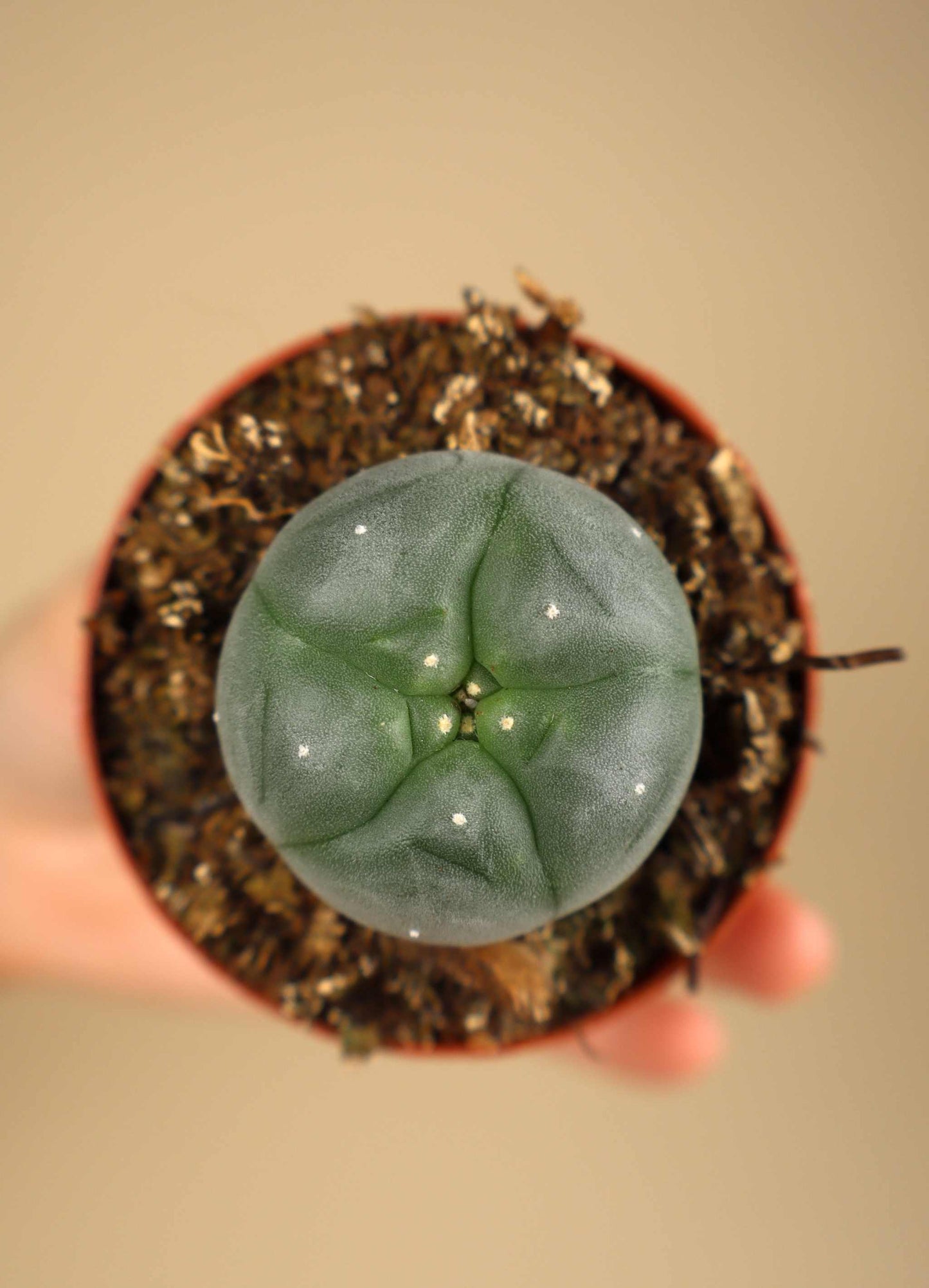
Peyote has a thick, underground stem that acts as a water and nutrient reservoir. The above-ground part, the crown, is small compared to the underground part and usually consists of one, or in older specimens several, disc-shaped "buttons". These reach a diameter of up to 11 centimeters and have four to eleven ribs. In their natural environment, these buttons stand only a few centimeters above the ground, and during the dry season, they shrivel and recede even further, practically "sinking" into the soil.
Contrary to what one might expect from a cactus, Lophophora williamsii usually does not grow in full sun, but rather protected under shrubs or among the grasses of the thorn bush savannah. The flowers are pink and white with stamens that react to touch; if you touch a peyote flower, the stamens quickly bend inwards to press as much pollen as possible onto the presumed pollinator.
Botanical description
Lophophora williamsii is of course best known for its long ethnobotanical history. The fresh or dried "buttons" have been consumed for at least 5500 years. The mescaline they contain causes visual or auditory effects that are said to trigger spiritual or philosophical insights.
Care
Thrives in bright locations but does not need full sun; in nature, it often grows protected. Water very sparingly and allow the soil to dry completely between waterings. During winter, keep it almost completely dry. Use extremely well-drained cactus soil with good mineral content.
Very slow-growing. Ideal temperature 18-30 degrees Celsius during growth, cooler and dry in winter. Does not tolerate moisture in the root zone. Buy Peyote cactus online!
Shipping Policy
Shipping Policy
When buying live plants, transport can sometimes affect the condition of the plant. We strive to ensure that all plants arrive in good health, but minor shipping damage, such as a torn leaf or bent stem, is sometimes unavoidable. Read more about our policy here.




Join the customer club
Earn points on purchases and through special actions. Spend your points on rewards including gift products & discounts
Learn more about your plants!
View all-

How to repot houseplants - Step by step
Repotting houseplants is the key to keeping your indoor plants healthy and happy. It's all about the right soil, the right size pot and a little patience. In our guide...
How to repot houseplants - Step by step
Repotting houseplants is the key to keeping your indoor plants healthy and happy. It's all about the right soil, the right size pot and a little patience. In our guide...
-
Indoor Climbing Plants | Complete Guide to Clim...
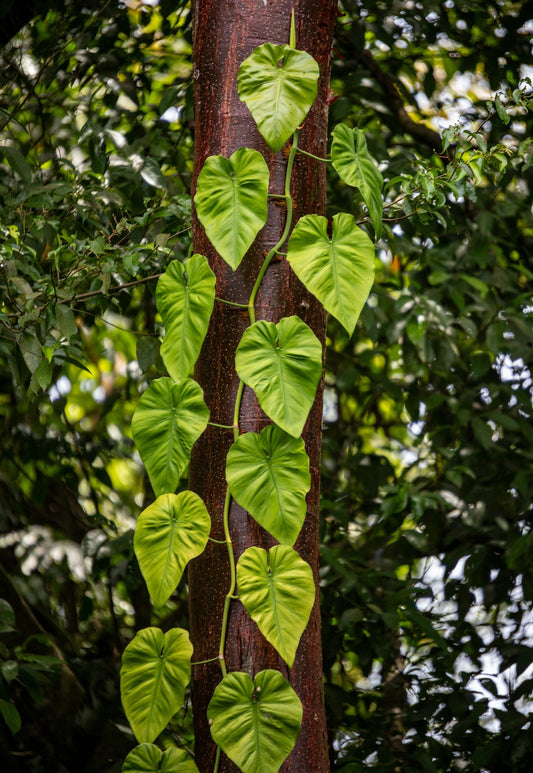
Indoor climbing plants bring life and movement to your home. They can hang freely from hanging baskets or climb up trellises. These green plants quickly transform windows and corners into...
Indoor Climbing Plants | Complete Guide to Clim...
Indoor climbing plants bring life and movement to your home. They can hang freely from hanging baskets or climb up trellises. These green plants quickly transform windows and corners into...
-

Propagate your Houseplants | Tips from the Expert
Is there anything more satisfying than watching a new plant grow from a cutting you made yourself? Plant propagation involves creating new plants from parts of your existing plants. It's...
Propagate your Houseplants | Tips from the Expert
Is there anything more satisfying than watching a new plant grow from a cutting you made yourself? Plant propagation involves creating new plants from parts of your existing plants. It's...

