
Plant Support for Indoor Plants: A Complete Guide for Beginners
Some houseplants thrive all on their own. Others? Yeah, they need a little help along the way. Especially when they grow quickly, get a little top-heavy, or are natural climbers looking for something to hold on to. That's where plant supports come into play!
Whether you have a Monstera reaching for the ceiling, a Philodendron on a hike, or a pothos that just won't sit still, the right flower support can make a big difference to the appearance of your Potted houseplants.

When should you use plant supports?
The best time to support your large plants or climbers is while they are still young and actively growing. If you wait too long, you risk damaging the roots when you put the support in the pot.
Tip: If you already know your plant will need support, put it in place when you repot. This way the plant can grow comfortably around the support from the start.
Examples of climbing plants can be found here: Climbing plants
Choosing the right indoor plant support
Not all hanging plants or climbing plants need the same type of support. The type of support you should buy depends on the shape, size and growth habit of the plant. Here are our top picks:
Moss poles: For maximum leaf sizes

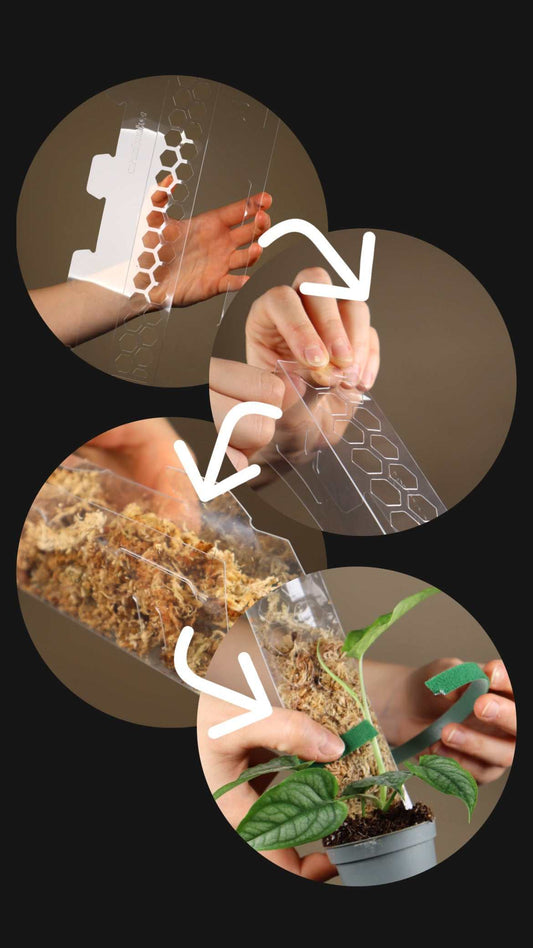
The moss pole is a must for climbing plants like Monstera, Philodendron and other climbers that want big, lush & beautiful foliage. These plants naturally grow upwards by climbing trees and other surfaces and a moss stake helps recreate that environment indoors.
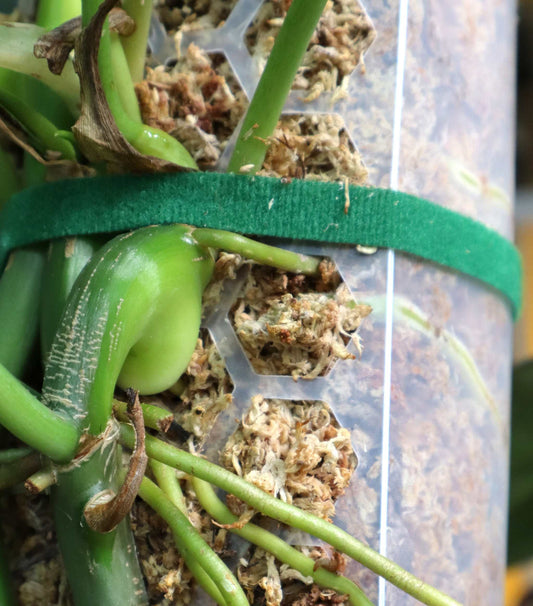
The moss pole is encased in sphagnum moss or similar material and offers a soft, natural surface for aerial roots to attach to. This encourages strong, healthy growth and helps your plant show off its most beautiful, full-sized leaves.
Perfect for: Monstera, climbing Philodendron, Anthurium that wants large leaves, Syngonium (larger varieties)
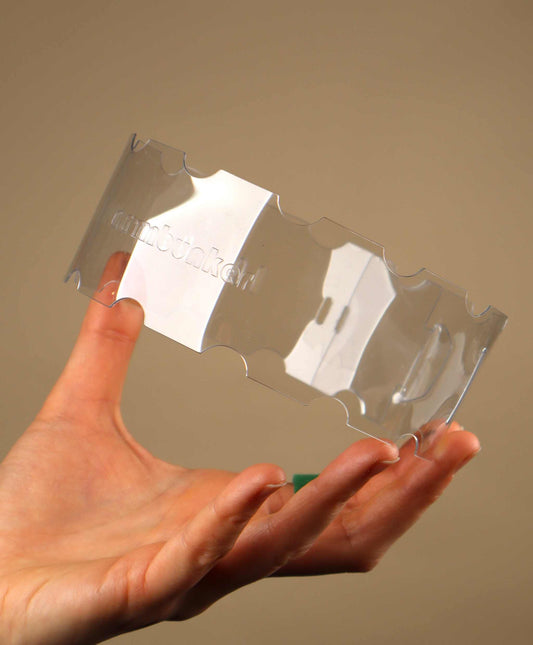
Discover our moss poles that give your climbing plants the support they need for maximum leaf size.-> Self-watering moss stake
Coconut poles: Cheap plant supports for simpler needs

Coco poles are a great option for plants that need support but don't necessarily need the biggest leaves. These stylish and affordable supports work well for many climbing plants, but the aerial roots don't attach as strongly as they do to moss poles.
Coconut poles are perfect when you want a natural look at a good price. They work great for easy-care plants that don't require the best support.
Perfect for: Pothos, Silver Creeper, some Syngonium varieties, smaller Monsteras
Our coconut sticks give your plants natural support without breaking the bank. -> Buy cheap coconut sticks here.
Simple plant stakes: Compostable and environmentally friendly

Our Flower stakes are the perfect choice for those looking for an eco-friendly alternative. These compostable plant supports are great for plants that need basic support but where larger leaf sizes are not a priority.
Kratiste plant stakes are perfect for tying up growing shoots or giving structure to bushier plants. Although the aerial roots don't attach as well as to moss stakes, they are often sufficient for many of the more easy-care species.
Perfect for: pothos, satin pothos, wax flowers and young climbers, plants that need temporary support
Choose our eco-friendly Kratiste flower sticks for sustainable plant support. -> Buy flower sticks here
How to use plant supports: Step-by-step
Using plant supports is easy when you know how. Here's how to do it in a plant-friendly way:
1. Choose the right support
Start by choosing what suits your plant best. A climbing Monstera or Philodendron will love a moss pole for its large leaves, while a simpler plant might do well with coconut poles, or flower sticks.
2. Place the support carefully
Carefully insert the support into the soil, close to the trunk but without damaging the roots. If you are replanting, this is the perfect time to insert it as the roots will then grow around it naturally.
3. Tie the plant loosely
Use soft clips or ties to secure your plant to the support. Make sure they are not too tight as the plant needs some space to move and grow comfortably.
4. Adjust as the plant grows
As the plant grows, check the position from time to time to make sure the brackets are still in place. You may need to move one band a little higher or add a new one to support new growth.
Why plant support makes a difference
Supporting your potted plants isn't just about looks (although a beautifully supported Monstera is hard to beat). It helps the plant grow stronger, prevents damage from bending or breaking, and encourages healthy, upward growth.
Plus, it makes your plant look neat, structured, and ready to shine.
Tips for Happy, Supported Plants
Here are some additional tips to help your plant thrive:
- Always use soft ties to avoid damaging delicate shoots
- Make sure the straps are not too tight, the plant needs space to grow
- Check the position regularly and adjust if necessary.
- Do you use moss stakes? Moisten them a little from time to time, climbing plants love a moist surface to attach to! Ps; Our moss poles are self-watering and you only need to fill the container with water.
Which is the best plant support for you?
For maximum leaf sizes: Choose our moss poles, they give your climbing plants the best conditions for large, beautiful leaves.
For budget-conscious plant lovers: Our coconut sticks offer excellent value and work perfectly for many climbing plants.
For environmentally conscious growers: Kratiste flower stakes (but also our moss pole) are made of biodegradable materials. A good choice that still often gives your plants the support they need.
Give your plants the support they deserve!
With a little care, the right plant support will help your green plants grow bigger, stronger and more confident. That little extra support really makes a difference!
Ready to give your plants the support they need? Explore our range of plant supports below and find the perfect support for your green plants!