


Stapelia leendertziae 'black bells'
Stapelia leendertziae 'black bells'
Couldn't load pickup availability


Probably the most striking species within the Stapelia genus, especially when in flower.
The large, bell-shaped flowers are deep reddish to dark purple and can grow up to 12 centimeters long. The outside is smooth and shiny while the inside has brown to reddish-brown tones and long hairs.
Its extraordinary flower shape is a striking feature on the dry and barren mountain slopes of southern Africa.
Botanical description
Stapelia leendertziae is endemic to southern Africa and occurs in Eswatini as well as the South African provinces of Gauteng, KwaZulu-Natal, Limpopo and Mpumalanga.

The flowers hang down where space allows and have a strong, unpleasant odor similar to rotting meat. The smell is not overpowering, however, and you have to inhale deeply to feel it. From a few meters away, the scent is barely noticeable at all. This smell and appearance attract flies that pollinate the plant and are so fooled that they lay eggs on the corolla.
The imitation of the flowers is so precise that they even have a coat of soft white hairs that resemble animal fur or mold.
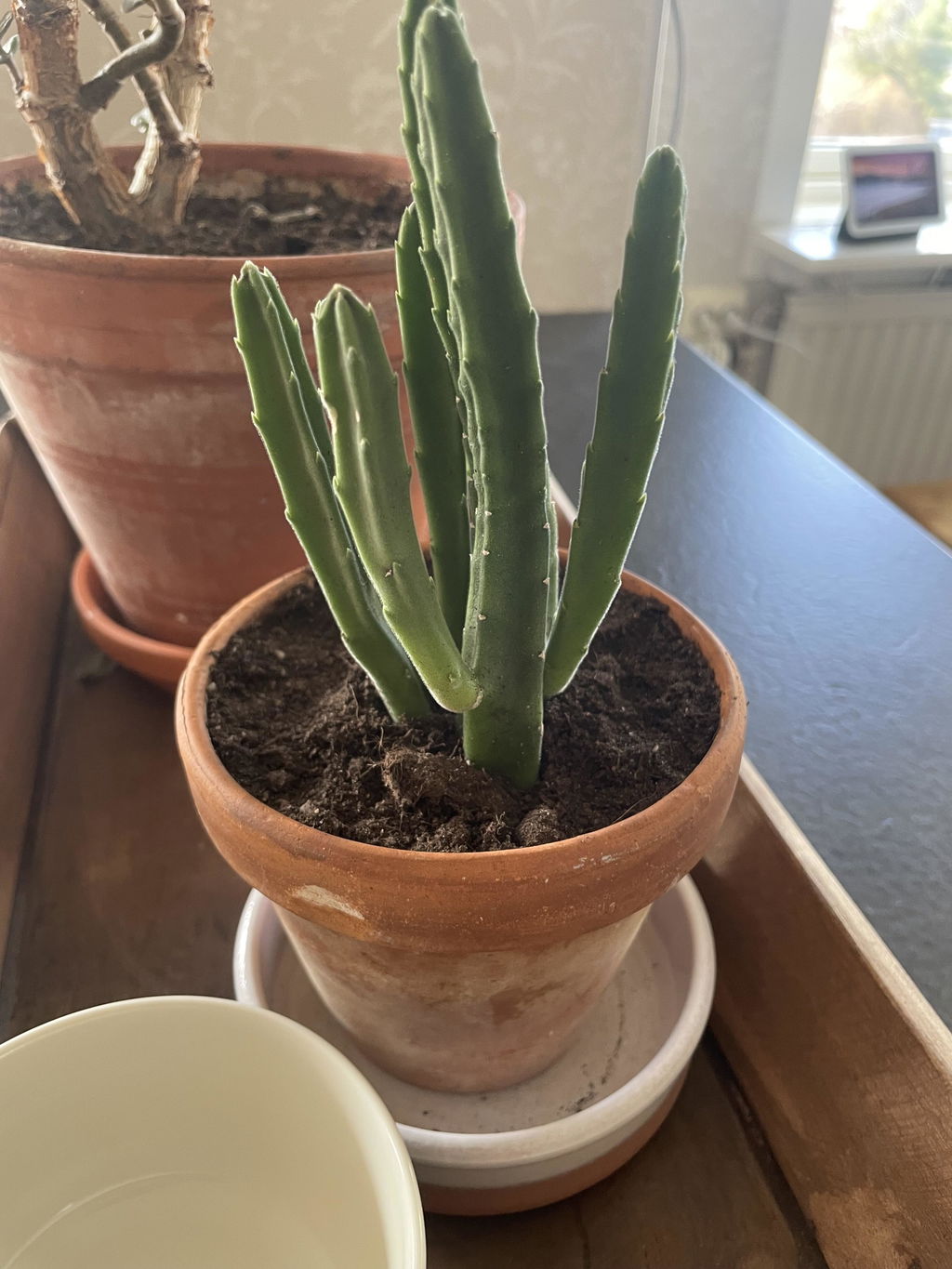
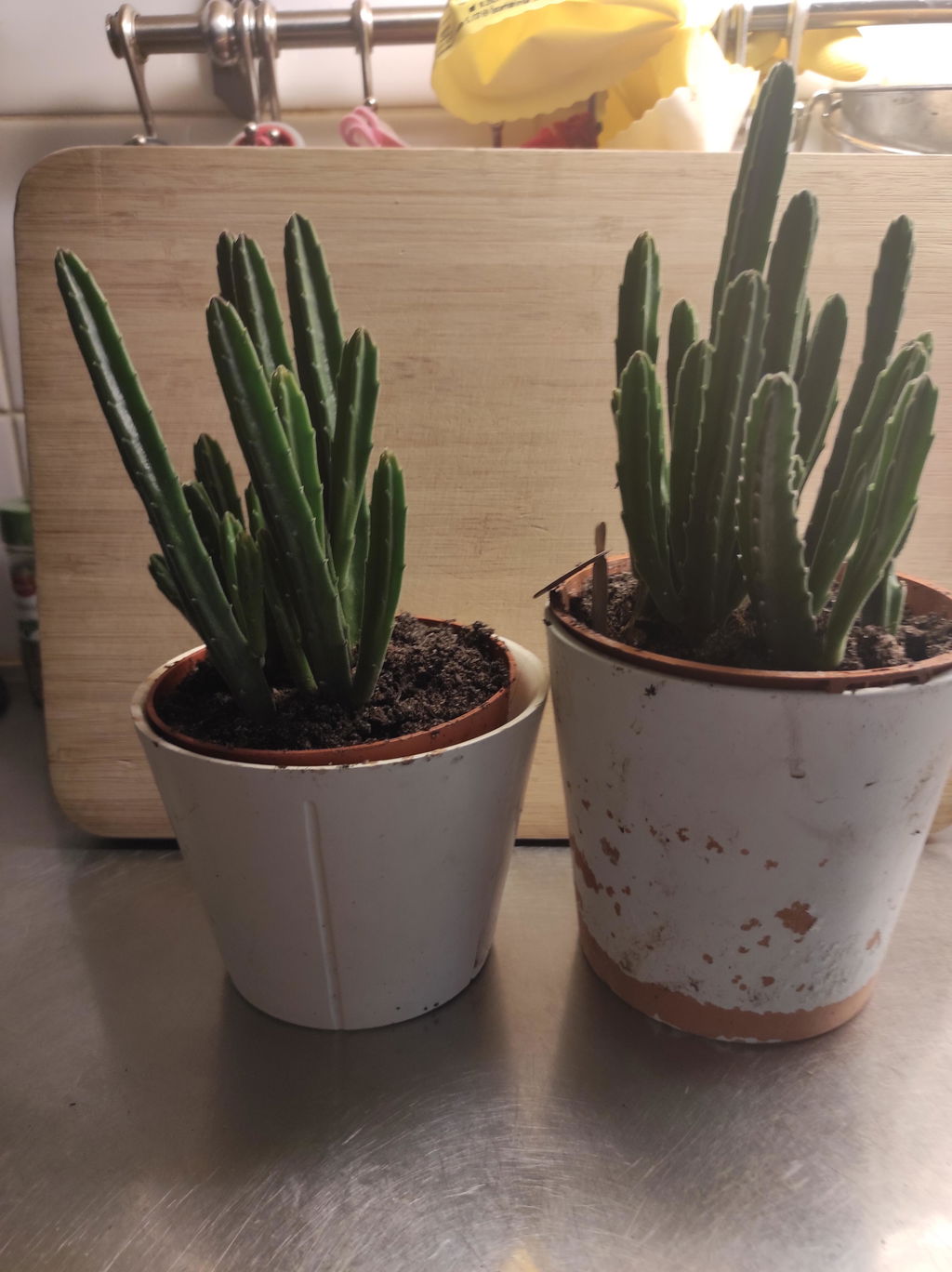
The black bells grows in grasslands on rocky or rocky ground with shallow, sandy soil. The plant is a perennial, clump-forming succulent with stems 75-150 millimeters tall and 9-13 millimeters in diameter.
The species was named after Reino Leendertz (1869-1965), the first official botanist at the Transvaal Museum in 1898 and the first woman to be employed as a civil servant in the then Transvaal. She was the first to collect this species near Heidelberg in 1909.
Care
The Black bells is relatively hardy, drought tolerant and easy to grow. Place in full sun or partial shade in rich, porous, well-drained soil. Water sparingly and when in doubt whether to water or not, don't water.
The plant requires a period of no water in the winter (dormant phase). It can survive long periods without water but water before it shrinks too much as it cannot recover.
If the temperature becomes too low (below 15°C) or too humid, the plant easily develops black spots and other fungal diseases.
Grow in shallow containers with good drainage. Overwatering will cause rot from the base and too little water will cause the plant to shrink and die from the tips. The plant flowers from October to May with a peak in November to January. Buy Black bells cactus online!
Shipping Policy
Shipping Policy
When buying live plants, transport can sometimes affect the condition of the plant. We strive to ensure that all plants arrive in good health, but minor shipping damage, such as a torn leaf or bent stem, is sometimes unavoidable. Read more about our policy here.



Join the customer club
Earn points on purchases and through special actions. Spend your points on rewards including gift products & discounts
Learn more about your plants!
View all-

How to repot houseplants - Step by step
Repotting houseplants is the key to keeping your indoor plants healthy and happy. It's all about the right soil, the right size pot and a little patience. In our guide...
How to repot houseplants - Step by step
Repotting houseplants is the key to keeping your indoor plants healthy and happy. It's all about the right soil, the right size pot and a little patience. In our guide...
-
Indoor Climbing Plants | Complete Guide to Clim...
Indoor climbing plants bring life and movement to your home. They can hang freely from hanging baskets or climb up trellises. These green plants quickly transform windows and corners into...
Indoor Climbing Plants | Complete Guide to Clim...
Indoor climbing plants bring life and movement to your home. They can hang freely from hanging baskets or climb up trellises. These green plants quickly transform windows and corners into...
-

Propagate your Houseplants | Tips from the Expert
Is there anything more satisfying than watching a new plant grow from a cutting you made yourself? Plant propagation involves creating new plants from parts of your existing plants. It's...
Propagate your Houseplants | Tips from the Expert
Is there anything more satisfying than watching a new plant grow from a cutting you made yourself? Plant propagation involves creating new plants from parts of your existing plants. It's...

