



Philodendron bipinnatifidum
Philodendron bipinnatifidum
Couldn't load pickup availability


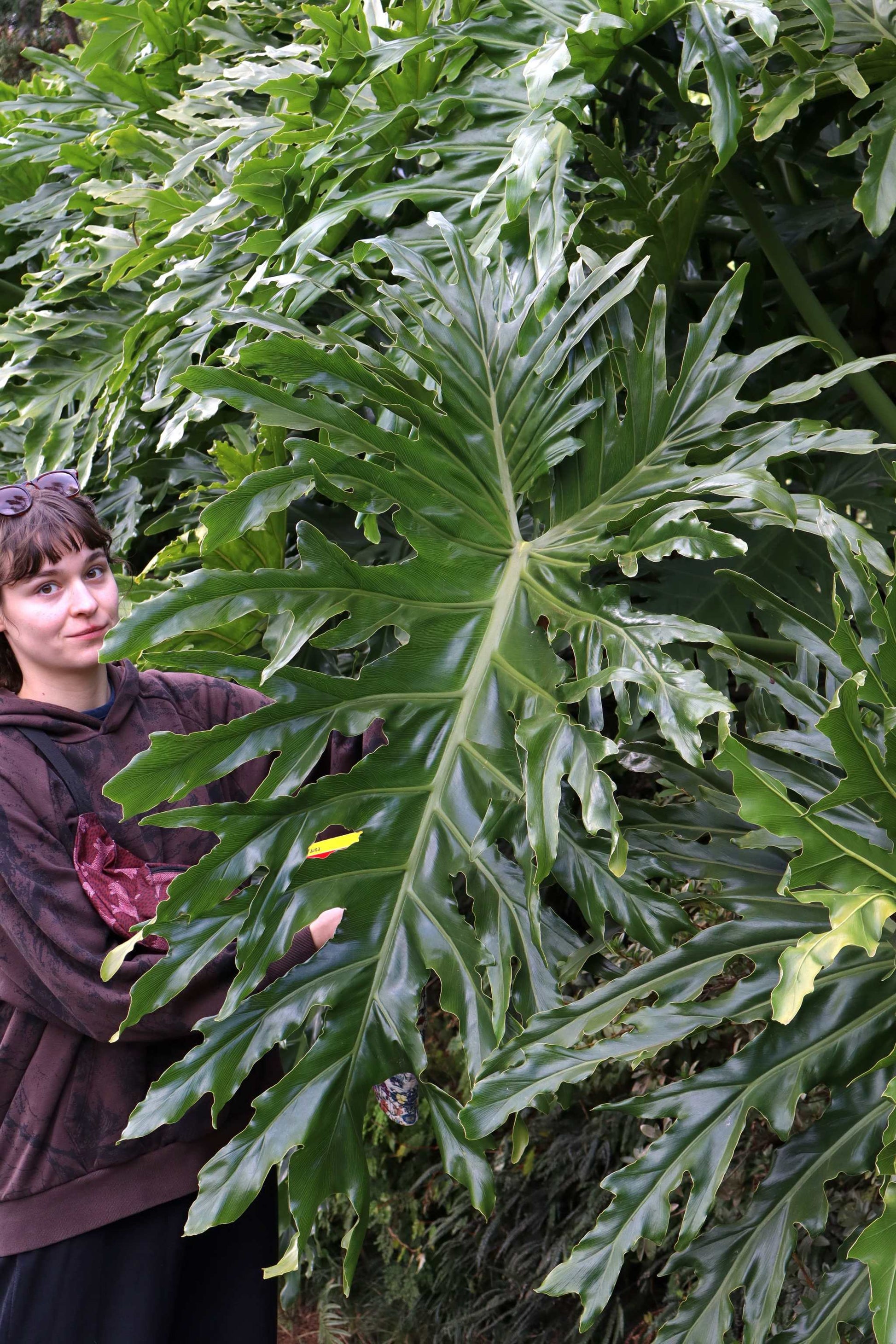
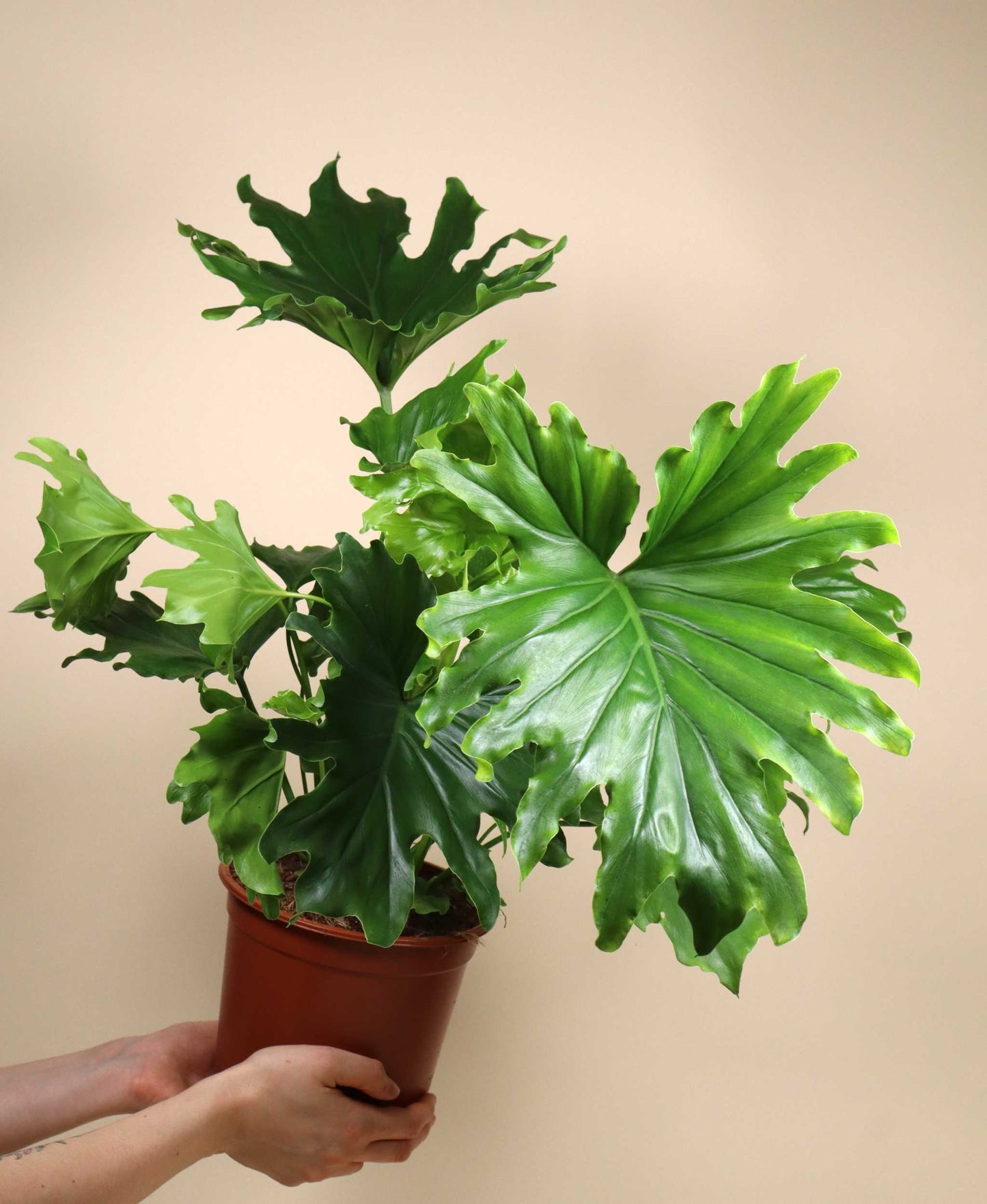
Very popular species in tropical parks around the world, has a tree-like trunk and gigantic leaves!
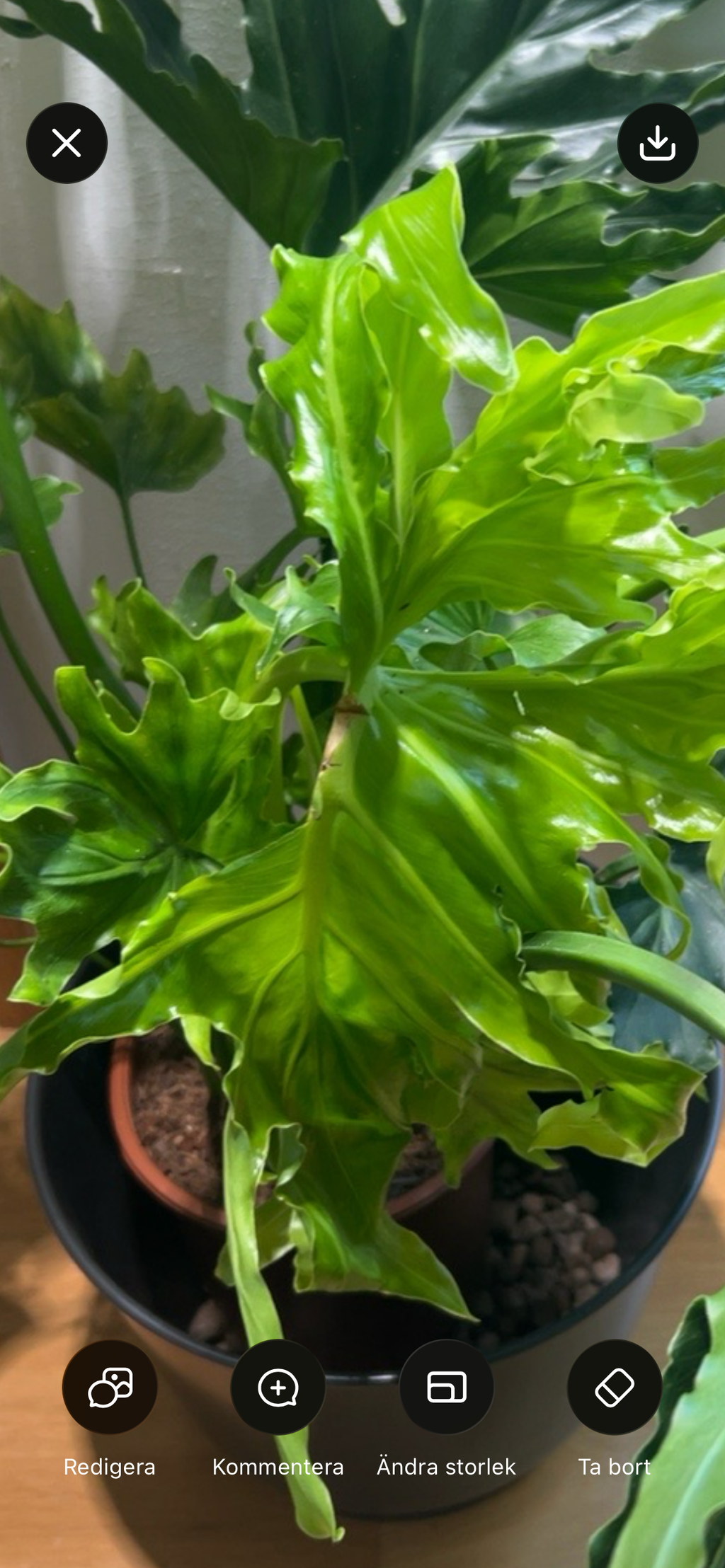
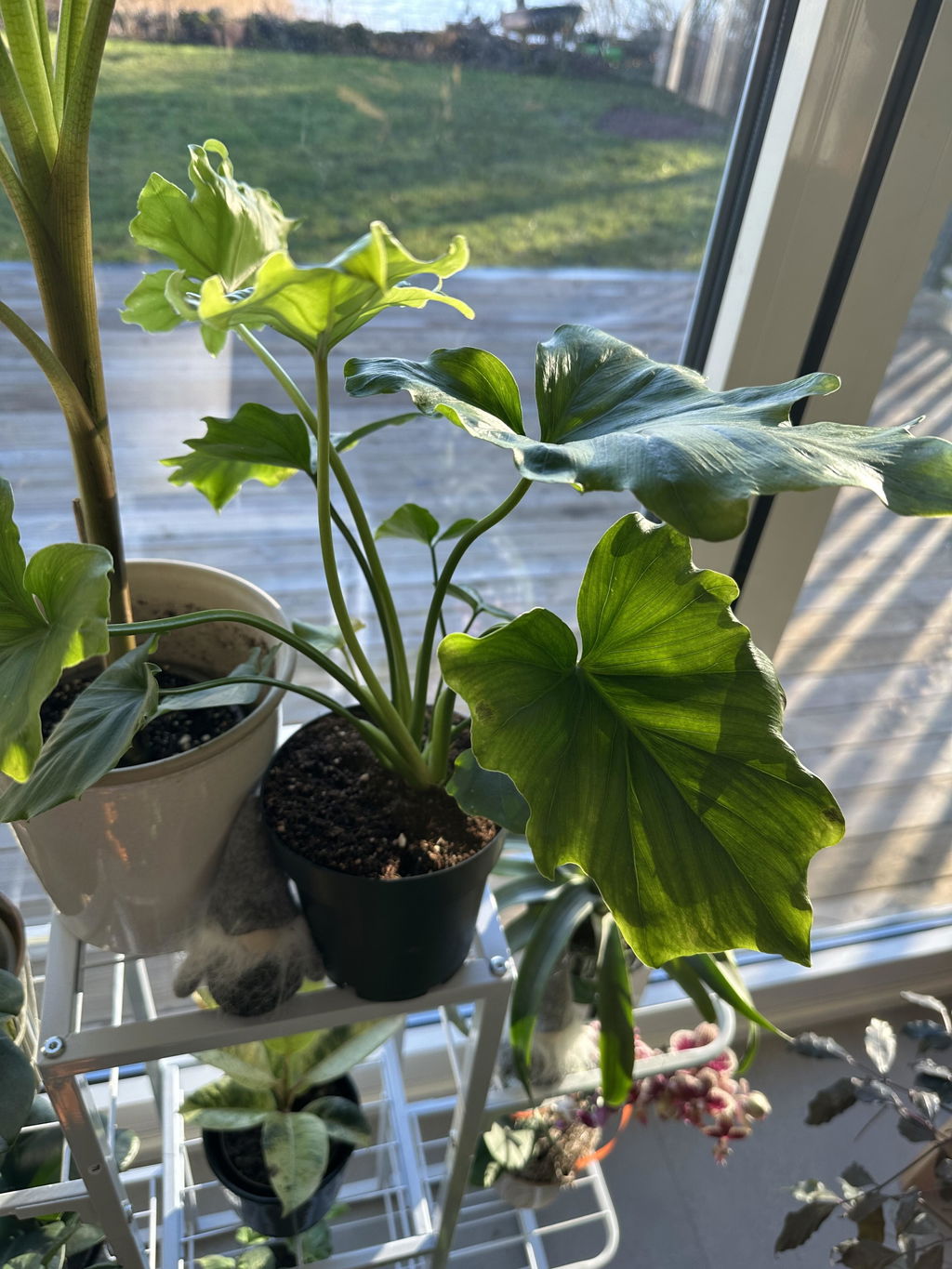
Philodendron bipinnatifidum is a highly decorative species from southern South America. The species grows on trees where the robust aerial roots are used to absorb water and nutrients.
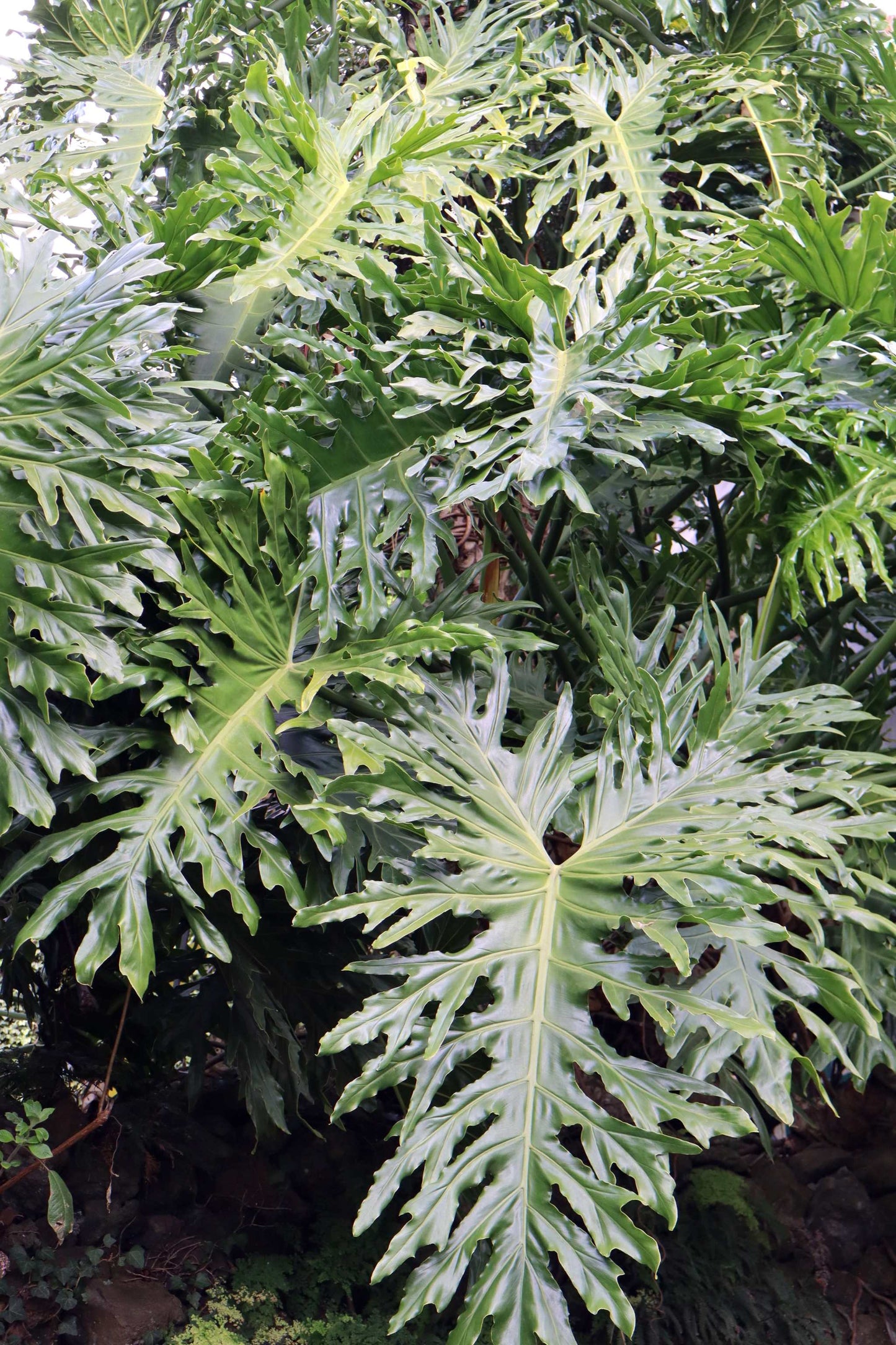
A woody stem increases in length as the plant sheds its lower leaves. The leaves are only found in the crown of the plant, giving rise to a smooth, tree-like stem.
The leaves are simple and large with very deep lobes ('pinna' in the species name means feathers in Latin, which refers to the appearance of the leaves). These large leaves can grow up to 1.5 meters long!
Botanical description
Philodendron bipinnatifidum is often sold as 'Philodendron selloum', which is now a synonym. Both names were scientifically accepted until 1990 when aroid botanist Simon Mayo documented that both "species" were actually a single species with multiple growth forms. Since the name Philodendron bipinnatifidum was published in 1832 and predates Philodendron selloum (1852), the correct name is Philodendron bipinnatifidum .
The species is found in Brazil, Argentina, Bolivia and Paraguay and is a member of the subfamily Meconostigma. Meconostigma species are tree-like due to their apparent "trunk" but they cannot permanently stand on their own. In the wild they climb trees using their powerful aerial roots.

Although many people believe that Meconostigma species do not climb, they actually do and can reach up to 30 meters or higher in the crowns of trees. The thick aerial roots can wrap around small tree trunks like ropes, almost pulling the plant up into the crown.
After a few years, the plant may bloom with a white inflorescence characteristic of the Araceae family. The inflorescence consists of a spatha and spadix and emits a sweet scent that attracts beetles for pollination.
Care
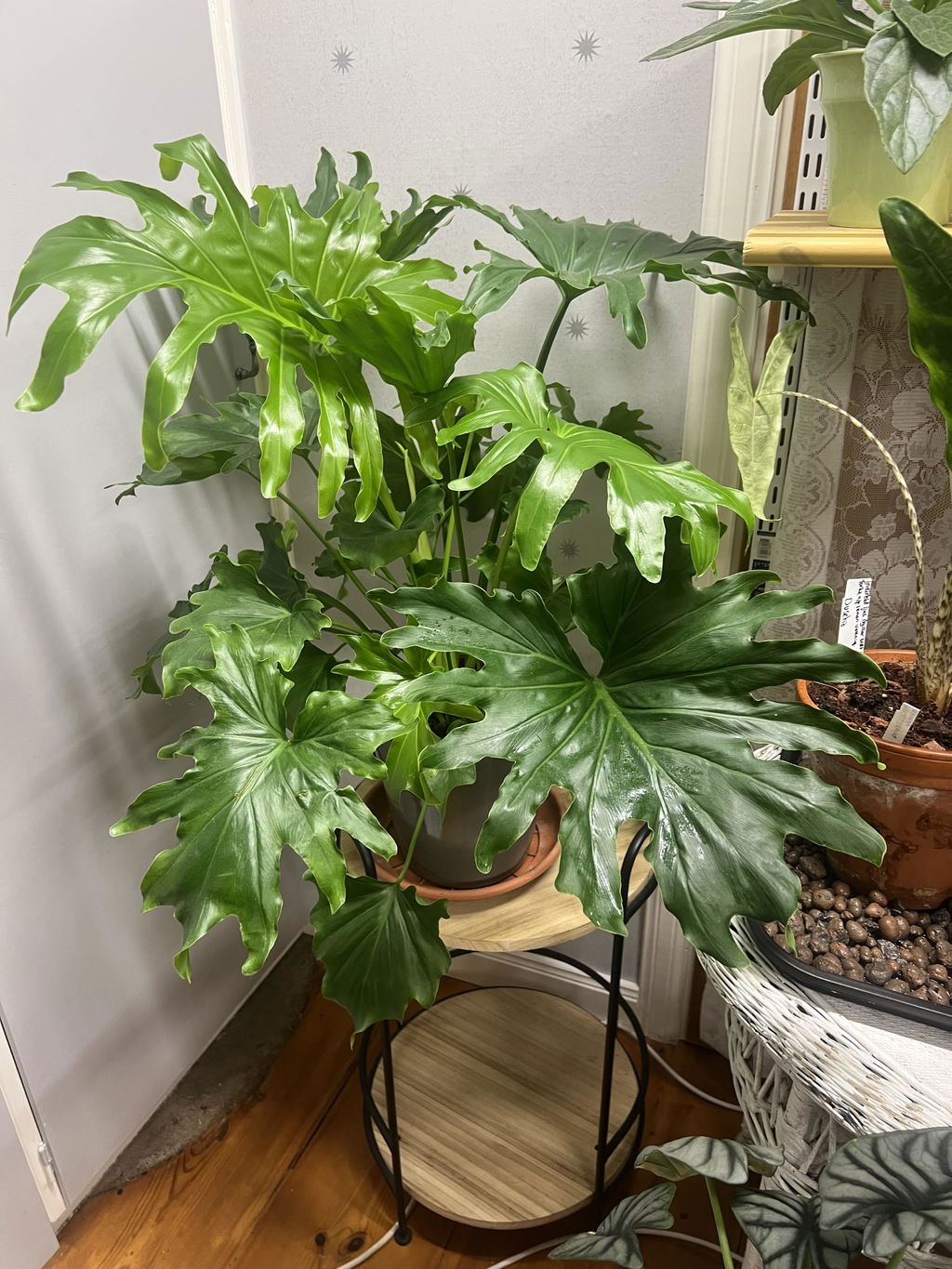
Philodendron bipinnatifidum is an easy houseplant that thrives in bright indirect light. A relatively sunny location is also suitable. Botanical texts often describe the species as sun-loving, and scientists believe that the reason the species climbs in the rainforest is an attempt to get closer to the sun.
The plant likes well-drained soil and it is good to let the soil dry out between waterings. It is drought tolerant but does best when kept evenly moist in well-drained soil, such as our aroid soil .
Philodendron bipinnatifidum naturally grows best in moist, well-drained soil, but it will grow in virtually any soil. As the species is considered "self-supporting", it can support itself and does not require a tree to climb for support, although it will happily do so if given the opportunity.
The plant will not tolerate temperatures below about 10 degrees Celsius before the leaves begin to suffer. In colder climates, all above-ground structure will die back in hard frosts and then re-sprout from the roots the following spring. A very suitable indoor plant that is incredibly easy to care for and also has a very unique appearance. Buy Philodendron bipinnatifidum!
Shipping Policy
Shipping Policy
When buying live plants, transport can sometimes affect the condition of the plant. We strive to ensure that all plants arrive in good health, but minor shipping damage, such as a torn leaf or bent stem, is sometimes unavoidable. Read more about our policy here.





Join the customer club
Earn points on purchases and through special actions. Spend your points on rewards including gift products & discounts
Learn more about your plants!
View all-

How to repot houseplants - Step by step
Repotting houseplants is the key to keeping your indoor plants healthy and happy. It's all about the right soil, the right size pot and a little patience. In our guide...
How to repot houseplants - Step by step
Repotting houseplants is the key to keeping your indoor plants healthy and happy. It's all about the right soil, the right size pot and a little patience. In our guide...
-
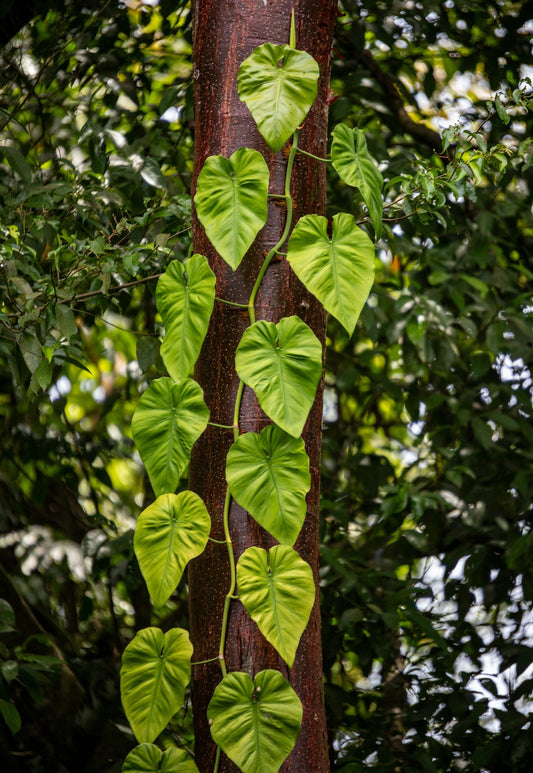
Indoor Climbing Plants | Complete Guide to Clim...
Indoor climbing plants bring life and movement to your home. They can hang freely from hanging baskets or climb up trellises. These green plants quickly transform windows and corners into...
Indoor Climbing Plants | Complete Guide to Clim...
Indoor climbing plants bring life and movement to your home. They can hang freely from hanging baskets or climb up trellises. These green plants quickly transform windows and corners into...
-

Propagate your Houseplants | Tips from the Expert
Is there anything more satisfying than watching a new plant grow from a cutting you made yourself? Plant propagation involves creating new plants from parts of your existing plants. It's...
Propagate your Houseplants | Tips from the Expert
Is there anything more satisfying than watching a new plant grow from a cutting you made yourself? Plant propagation involves creating new plants from parts of your existing plants. It's...

