


Adiantum raddianum
Adiantum raddianum
Couldn't load pickup availability


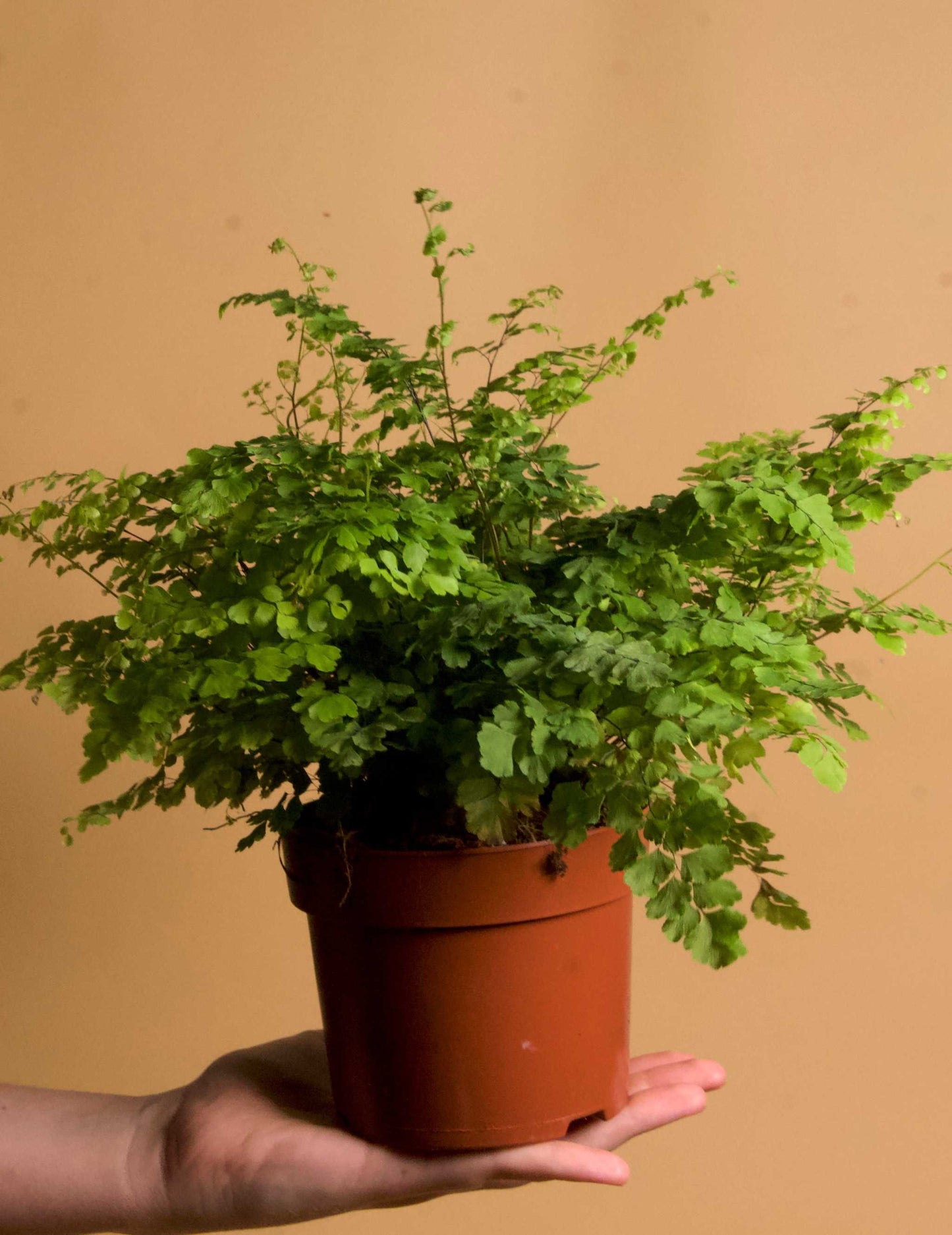
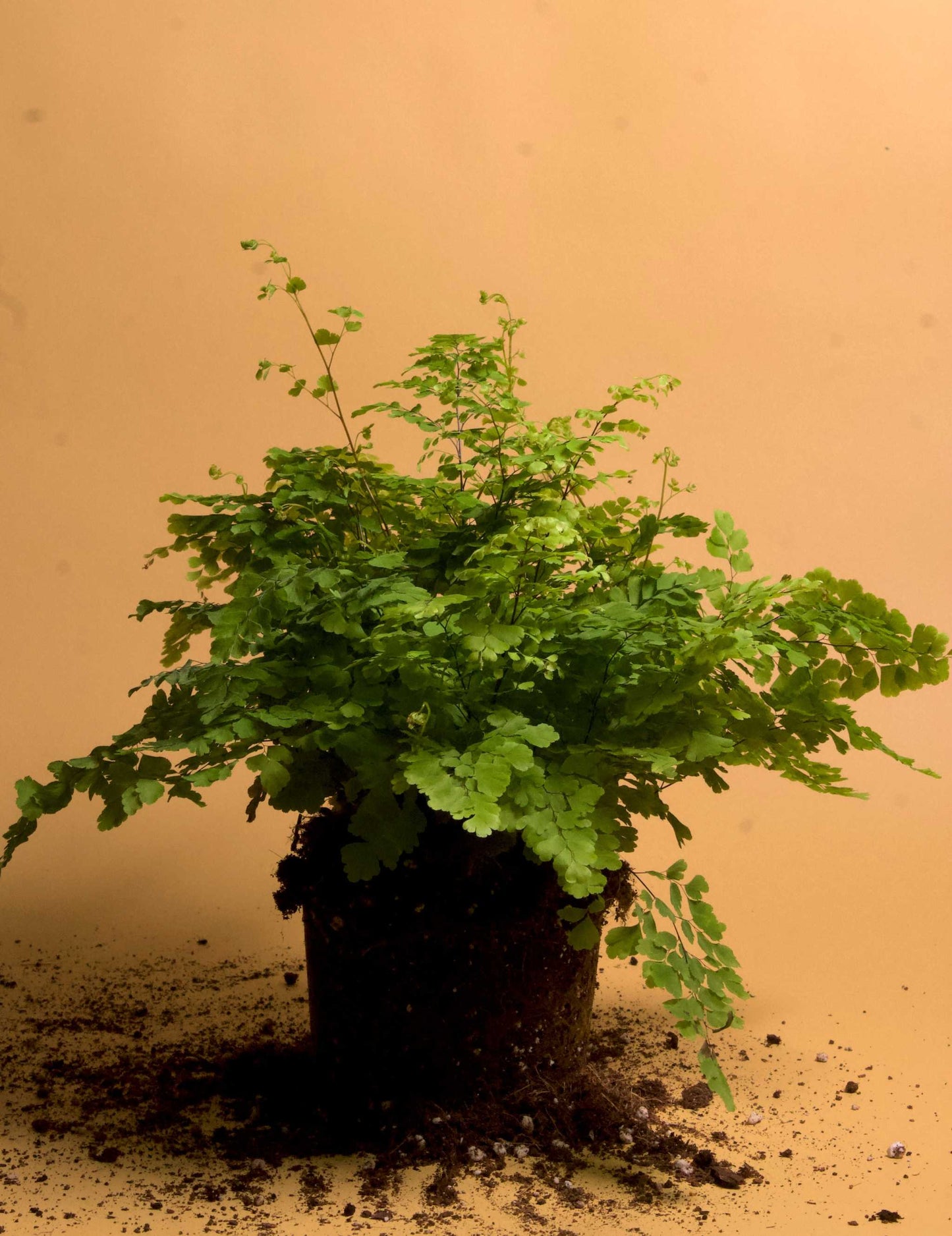
Adiantum raddianum is a small and delicate fern
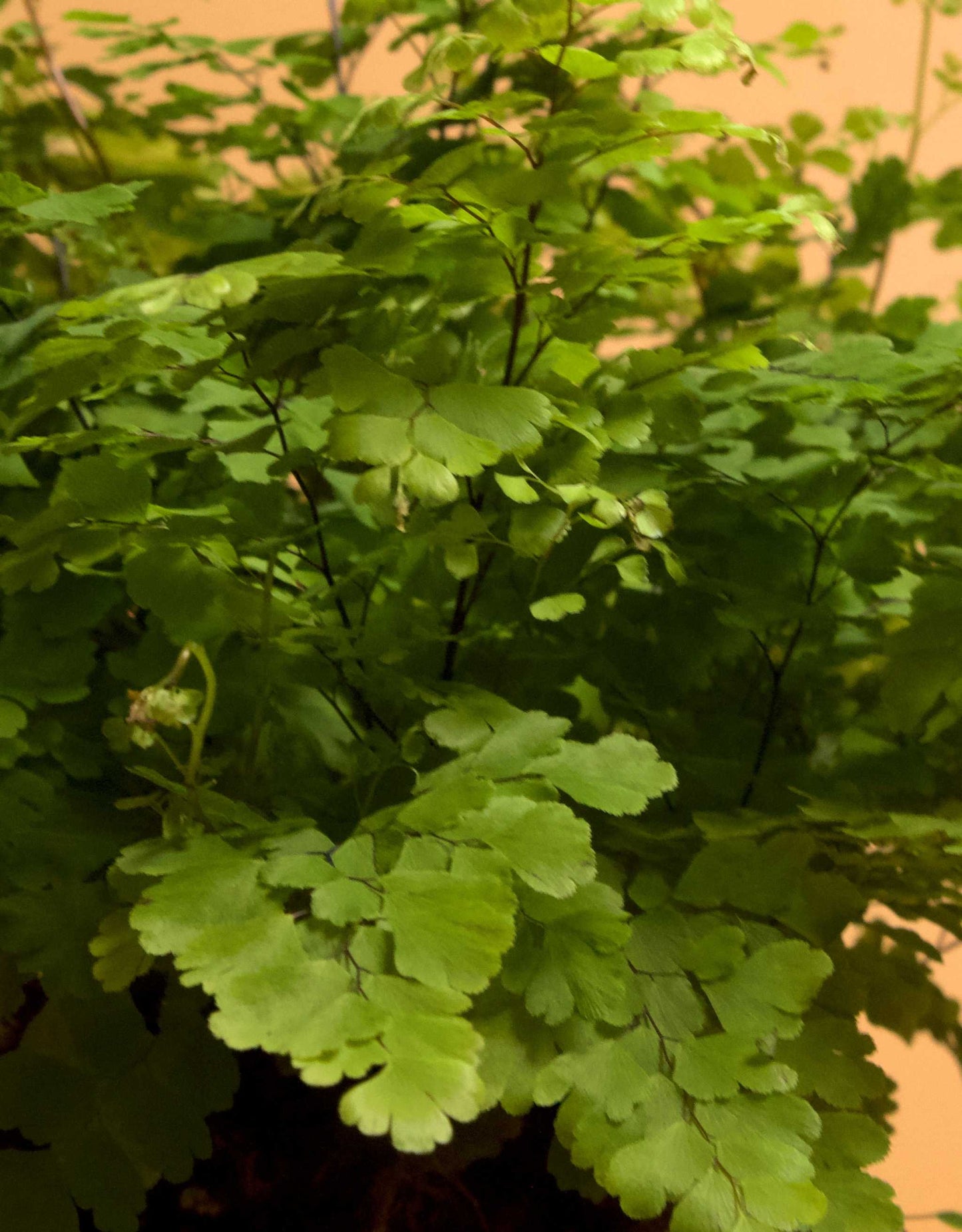
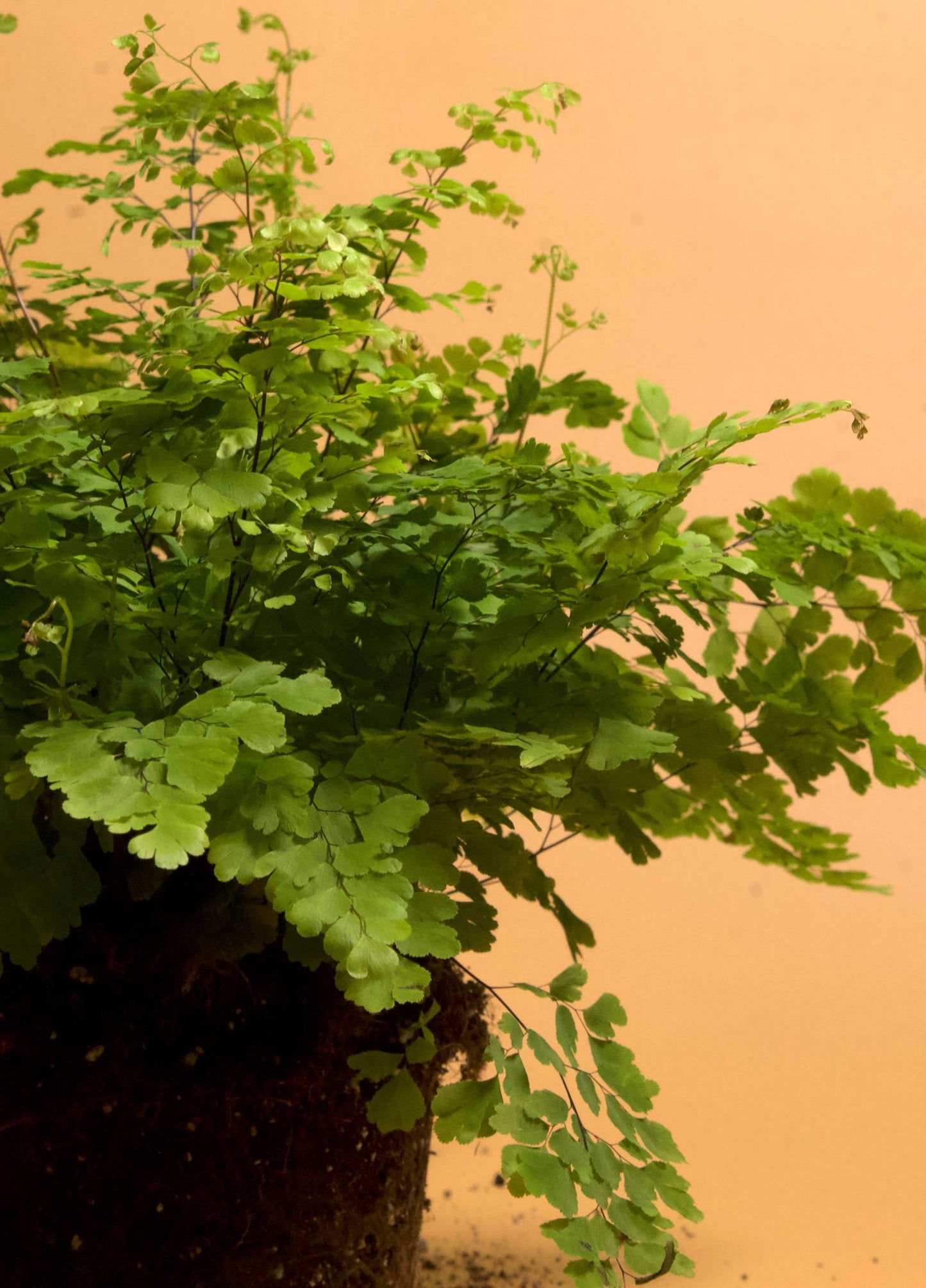
A. radiantium grows naturally in moist, shady environments, on the ground, on damp rocks or as an epiphyte on mossy tree trunks. The plant grows to about 40–50 cm tall and wide, with lobed, light green leaves that sit on thin, black stems. This gives it a very sleek and elegant appearance.
The genus name comes from a Greek word meaning "not getting wet" and refers to the plant's ability to excrete water without the leaves themselves becoming damp on the surface.
Botanical description.
Adiantum raddianum is a species of fern in the family Adiantaceae. It is native to Central and South America, but has spread to tropical parts of Africa and Asia, where it is sometimes considered invasive.

Although Adiantum radiantum resembles our native Adiantum capillus-veneris (common Venus' hair), A. raddianum is not hardy in Nordic climates. It should therefore only be grown indoors, preferably in a bathroom, greenhouse or terrarium where the humidity is high. The species comes from
Care.
Always keep the soil or mounting material slightly moist and place the plant in a location with high humidity and as much indirect light as possible. Under no circumstances should it dry out, as this will cause the leaves to quickly wilt.
Fertilize with a weak dose, about ¼ to ½ of what is indicated on the package, every two weeks. Be extra careful when repotting as this species is sensitive to root disturbance. Buy Adiantum raddianum fern online!
Shipping Policy
Shipping Policy
When buying live plants, transport can sometimes affect the condition of the plant. We strive to ensure that all plants arrive in good health, but minor shipping damage, such as a torn leaf or bent stem, is sometimes unavoidable. Read more about our policy here.

Join the customer club
Earn points on purchases and through special actions. Spend your points on rewards including gift products & discounts
Learn more about your plants!
View all-

Föröka dina Krukväxter | Tips från experten
Finns det något mer tillfredsställande än att se en ny växt växa från en stickling du själv gjort? Att föröka växter innebär att skapa nya växter från delar av dina...
Föröka dina Krukväxter | Tips från experten
Finns det något mer tillfredsställande än att se en ny växt växa från en stickling du själv gjort? Att föröka växter innebär att skapa nya växter från delar av dina...
-

Gödsling av Krukväxter | Så Ger du dina Växter ...
Växter utomhus har hela jorden att röra sig i, men dina krukväxter? De sitter fast i sina små krukor med begränsad tillgång till näring. Tänk på det som skillnaden mellan...
Gödsling av Krukväxter | Så Ger du dina Växter ...
Växter utomhus har hela jorden att röra sig i, men dina krukväxter? De sitter fast i sina små krukor med begränsad tillgång till näring. Tänk på det som skillnaden mellan...
-

Beginner's Guide to Plant Lighting: How to Choo...
Learn all about grow lighting for beginners! Discover the difference between grow lights and regular lights, how to choose the right grow light for your green plants, and why LED...
Beginner's Guide to Plant Lighting: How to Choo...
Learn all about grow lighting for beginners! Discover the difference between grow lights and regular lights, how to choose the right grow light for your green plants, and why LED...


