
How do you know it's time to fertilize?
Your plants will actually tell you when they are hungry, you just need to know what to look for.
Leaves turning pale or yellow: If several leaves are simultaneously losing their color and turning yellow, especially the older leaves at the bottom, it could be a sign that the plant needs more nitrogen. A single yellow leaf here and there is normal , but many at once? Then it's time to feed.
Growth stops: Do you notice that new leaves are coming in more slowly than before? Or that the new leaves are noticeably smaller compared to the old ones? Your plant may simply not have the energy to grow properly anymore.
The colors are not what they used to be. Plants that normally have dark green, glossy leaves but now look a little washed out may need potassium or magnesium.
No flowers even though it's in season If your plant usually flowers but skips it this year, it may be lacking phosphorus. It is phosphorus that provides energy for flowering.
The stem feels thin and weak A stem that feels fragile or that bends too easily may mean that the plant is not getting enough nutrition to build strong tissue.
But remember that these signs can also be caused by other things, such as too little light, improper watering, or disease. That's why it's important to know your plant and how it normally behaves.

The Growing Season: When Plants Eat the Most
Most plants here in Sweden follow the seasons quite well. In the spring when the light returns and the days get longer they come to life. That's when they start growing like crazy and need the most food. During the summer they continue to eat well, and in late summer they start to slow down.
When autumn arrives and the days get shorter, many plants go into dormancy. They stop growing, their leaves stop falling off, and they just... rest. During this time, they need almost no food at all. In winter, many plants are completely dormant.
But this is where it gets a little tricky. Many tropical plants, like monsteras and philodendrons, come from areas where there is no real winter. They are used to growing all year round. If you have grow lights at home and keep it warm, they will often continue to grow even in the winter. And plants that grow need food.
So instead of just following the calendar, look at the plant. Is it growing? Then it needs food. Has it stopped growing completely? Then you can stop fertilizing.
Should you fertilize in spring and fall?

Spring is special. After months of rest, plants are really hungry. They have used up their nutrient stores during the winter and need to replenish them in order to grow new leaves and shoots.
In the fall, something fascinating happens. Plants that go into hibernation actually start eating their own leaves from the inside out. They break down the cells, take back the nutrients, and store them for spring. That's why trees shed their leaves, they've taken back everything important from the leaves, leaving only the skin.
Your houseplants do the same thing, but on a smaller scale. A plant that hasn't been fertilized for a long time will slowly start to eat its own reserves. That's why they can survive for a long time without food, but sooner or later their reserves will run out.
Liquid or Solid Fertilizer?
There are basically three types of fertilizer to choose from.
Liquid fertilizer is mixed into the water every time you water (or every third or fourth time, depending on the plant). The advantage is that you have full control, you decide exactly how much the plant gets and when. The disadvantage is that it can easily be too much if you are not careful.
Granulated fertilizer (like Osmocote) is added to the soil and then slowly releases nutrients over months. The advantage is that you don't have to think about it as often and the risk of overfertilizing is lower. The disadvantage is that you have less control, and some plants may get too little.
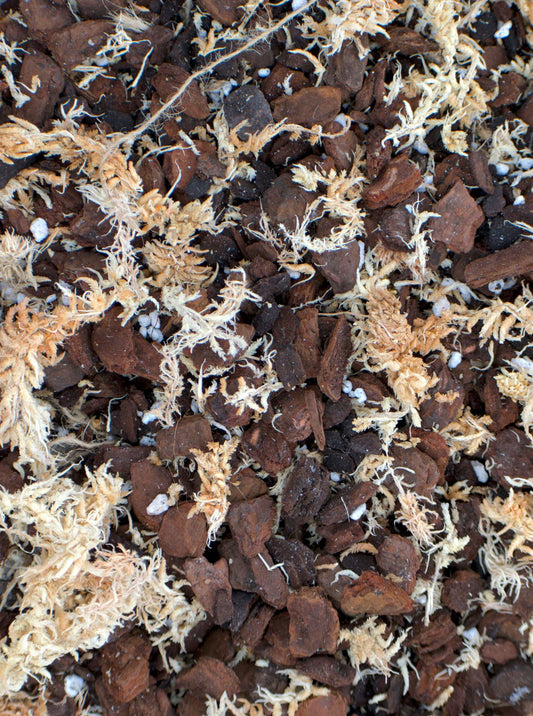
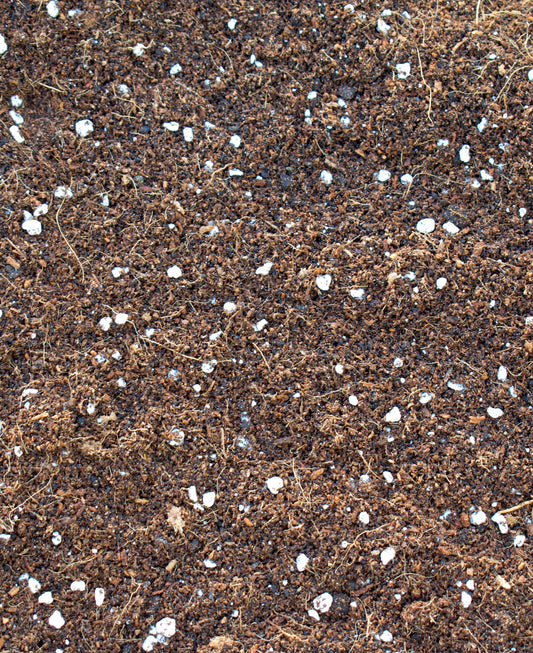
Organic nutrition such as vermicompost is one of the easiest ways to replenish nutrients in the soil when replanting. However, it can be a little more difficult to use when the plant is already planted. You can sprinkle vermicompost on top of the topsoil and then massage it in by hand. Regardless, vermicompost not only adds nutrition but also helpful microorganisms that keep the soil alive. We use vermicompost in all of our soil mixes for this reason. As a rule of thumb, you can mix about 15% vermicompost into the total soil volume.
We think floating works best for houseplants because you can adapt to each plant and season. But it does require you to be a little more active.

What Does Fertilizer Actually Contain?
Fertilizer is not just "food", it is specific nutrients that the plant needs for different things.
Nitrogen (N) is the building block. The plant uses it to build new cells, new leaves, new stems. Without enough nitrogen, the plant cannot grow properly. The leaves turn pale and yellow because nitrogen is actually part of the chlorophyll that gives the leaves their green color.
Phosphorus (P) is the energy. It helps the plant convert sunlight into usable energy through photosynthesis. Phosphorus is also needed for flowering and for the plant to divide its cells and grow.
Potassium (K) is the control system. It helps the plant regulate water, strengthens it against diseases, and makes all processes work smoothly. Potassium makes the plant strong and resilient.
In addition to these three major ones, there are many other substances in small amounts, iron, magnesium, manganese and so on. They are not needed in the same large amounts, but without them the plant cannot function properly. They are like vitamins for us humans.
Mistakes We All Make (and How to Avoid Them)
Over-fertilizing It's easy to think "more fertilizer = more growth" but unfortunately it doesn't work that way. Too much fertilizer builds up salts in the soil that burn the roots. You see it as brown leaf tips and a plant that's not doing well even though you're giving it plenty of food. Less really is more here.
Forgetting it completely: On the other hand, you can't just skip fertilizing and hope for the best. Sooner or later, the nutrients in the soil will run out.
Fertilizing on dry soil: This can actually damage the roots. Always water first, let the plant drink a little, and then apply the fertilizer.
Fertilizing sick plants: If a plant is sick from disease or pests, it's not always the right thing to feed it. Sick roots can't absorb nutrients properly anyway, and you risk making matters worse. Treat the problem first.
But if pests attack, continue fertilizing: Here is the exception. If your plant has aphids, thrips or spider mites, they suck nutrients from the plant. To help the plant resist, it needs continued food. We at Ormbunker recommend both treating with beneficial insects and continuing to fertilize carefully.
Fertilize immediately after repotting: New soil already contains lots of nutrients. In addition, the roots are stressed after repotting and need time to recover. Wait at least 4 to 6 weeks after repotting before you start fertilizing again.
Does not follow the rhythm of the plant: A resting plant does not want food. Fertilizing during the winter when the plant is sleeping is like trying to feed someone who is sleeping, it does not work and can cause harm. (Does not apply to tropical plants which do not have a resting period).
Practical Tips for Success

Always start slowly when trying a new fertilizer or fertilizing a new type of plant. Use half the dose the first time and see how the plant reacts. You can always increase, but it is difficult to take back if you have given too much.
Write down when you fertilize. It may sound nerdy, but after a few months you won't remember if it was three weeks ago or six. A simple note on your phone is enough.
Different plants need different amounts. Fast-growing tropical plants like monsteras can be fed every other week. Succulents and cacti can do well with once or twice a year. Learn what your plants need.
If you are unsure, give less. Signs of too little fertilizer will come gradually and you can fix it. Signs of too much will come quickly and can permanently damage the plant.
Termination
Fertilizing doesn't have to be complicated. It's about understanding that plants are living things with needs that change throughout the year. They are hungry in the spring, satisfied in the summer, and want to rest in the winter. Feed them as they grow, respect their rest, and listen to what the leaves are telling you.
Think of fertilization as part of your plant care routine, not as something extra. Just as you water regularly, you should also feed regularly. Your plants will thank you with healthy, lush leaves and maybe even flowers.
We at Ferns are always here if you have questions about your plants' needs. Different plants need different care, and there are no stupid questions when it comes to keeping your green friends happy!